








Two rocks, sometimes shoes, are placed on either side of a road to make a goal. A handful of children gather around it, make teams and start playing football. Soldiers of the ‘occupation’ often visit the streets and order them to return home.
When they leave, the match resumes. In Palestine, this is how footballers are built. Mohammed Rashid is one of them. The Palestine midfielder, known best in India as East Bengal’s most reliable custodian in the midfield, may have left the country in his teens, but he remembers his childhood like it was yesterday.
“In Palestine, there are not a lot of resources for becoming a professional football player. So, as a kid, if you find any empty parking (area) or street, you just play for fun,” he tells Sportstar.
“My parents had a hard time putting me inside the house, because I used to love being outside all the time. Many times, we faced issues with the Israeli soldiers. We’ll be playing in the street, and one of their cars would come around and (ask us to) just go home and whatnot. This was normal.”
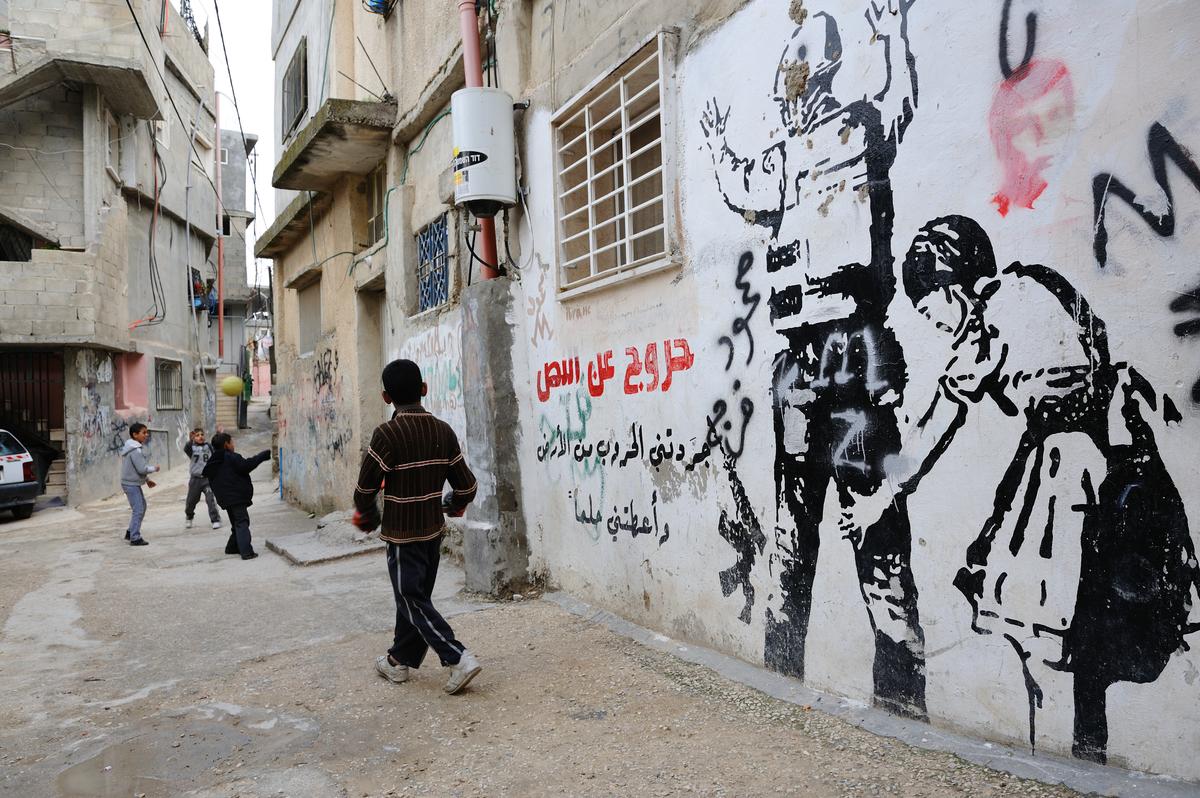
Mural by anonymous British graffiti artist Banksy, in the Palestinian refugee camp of Aida, near Bethlehem. | Photo Credit: Getty Images

Mural by anonymous British graffiti artist Banksy, in the Palestinian refugee camp of Aida, near Bethlehem. | Photo Credit: Getty Images
Rashid did not give up. After being scouted by his physical education teacher in Class VI, he would move to the United States of America at 16, get a diploma in business psychology, continue to play alongside his studies and then choose football as his full-time profession.
“We are playing for the people who’ve lost their homes, their wives, husbands, fathers, their loved ones. When you put that in mind, in your mental state, as you’re going onto the pitch, it really fires you up because you start to believe we’re not living just for us. Other people count on us,” Rashid says.
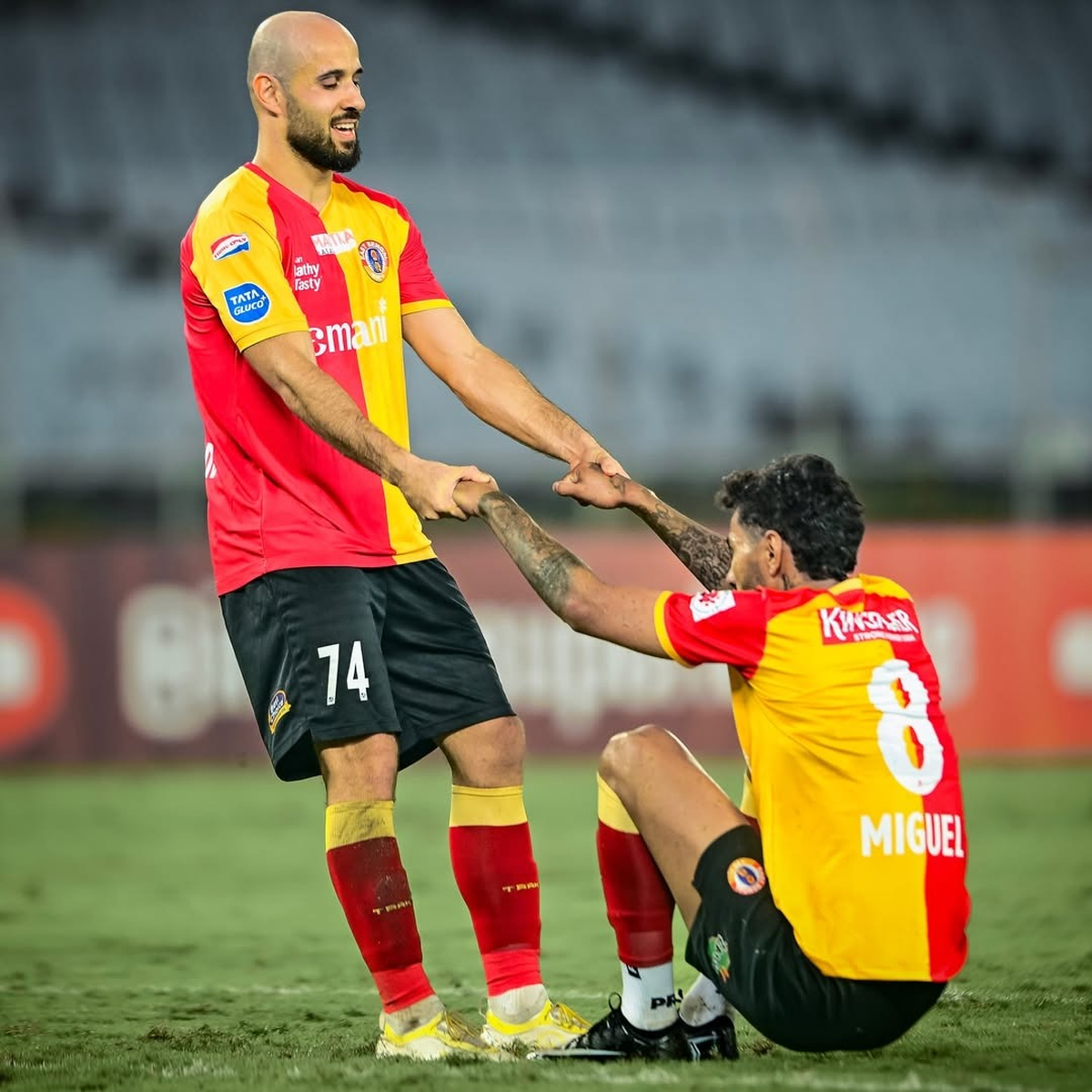
East Bengal midfielder Rashid in action. | Photo Credit: Instagram/@moerashid95
East Bengal midfielder Rashid in action. | Photo Credit: Instagram/@moerashid95
The conflict between Israel and Palestine has severely deteriorated since October 2023, affecting nearly a million people. According to the United Nations Office for the Coordination of Humanitarian Affairs, between October 7, 2023 and May 6, 2026, 72,619 Palestinians have been killed in the Gaza Strip and another 172,484 injured.
Among the casualties have been former sportspersons such as Mohammed Shaalan — a former national team basketball player, who was reportedly killed as he went out looking for food for his daughter — and Suleiman Obeid, a former national football team star, who was dubbed as ‘Palestinian Pele’.
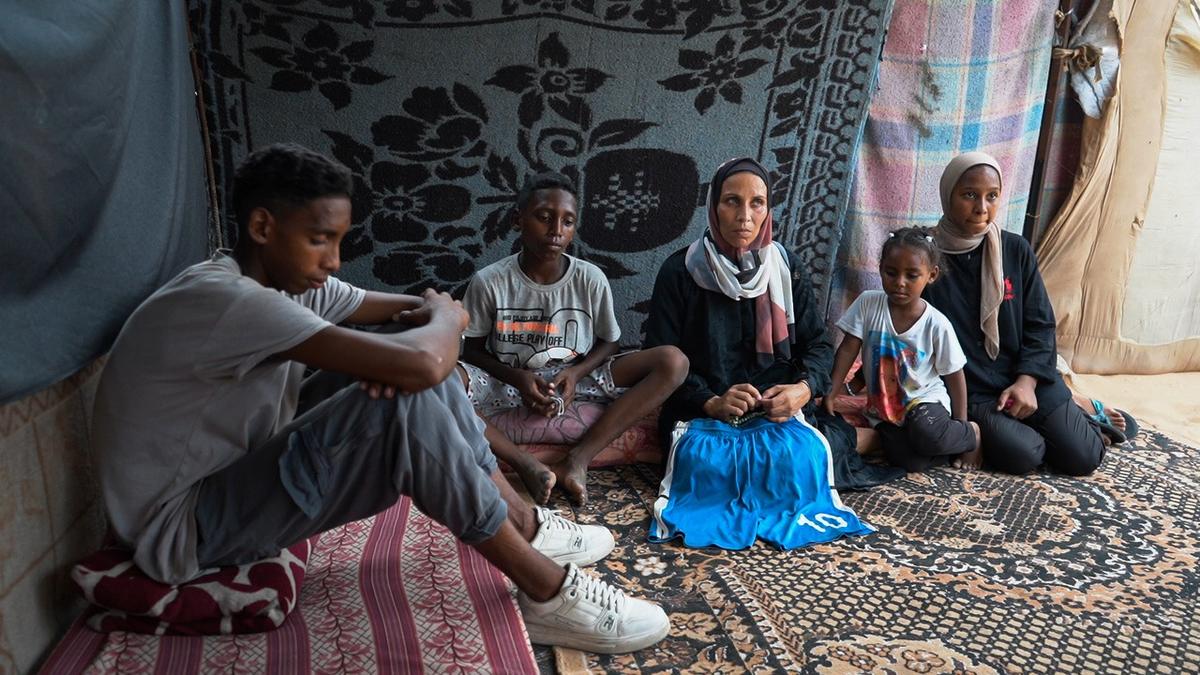
Palestinian Pele’s family. | Photo Credit: GETTY IMAGES
Palestinian Pele’s family. | Photo Credit: GETTY IMAGES
“In Gaza, many people watch the national team (matches). They find ways to access the internet, despite the war and everything, to watch the games. I have friends from there who send me pictures and videos of people actually putting a phone and sticking it on the wall. And there are maybe 30, 40 people just watching. Imagine how hard that is, and it really gives you goosebumps. It gives you something more to push for — other than obviously you want to win — to make those people happy.”
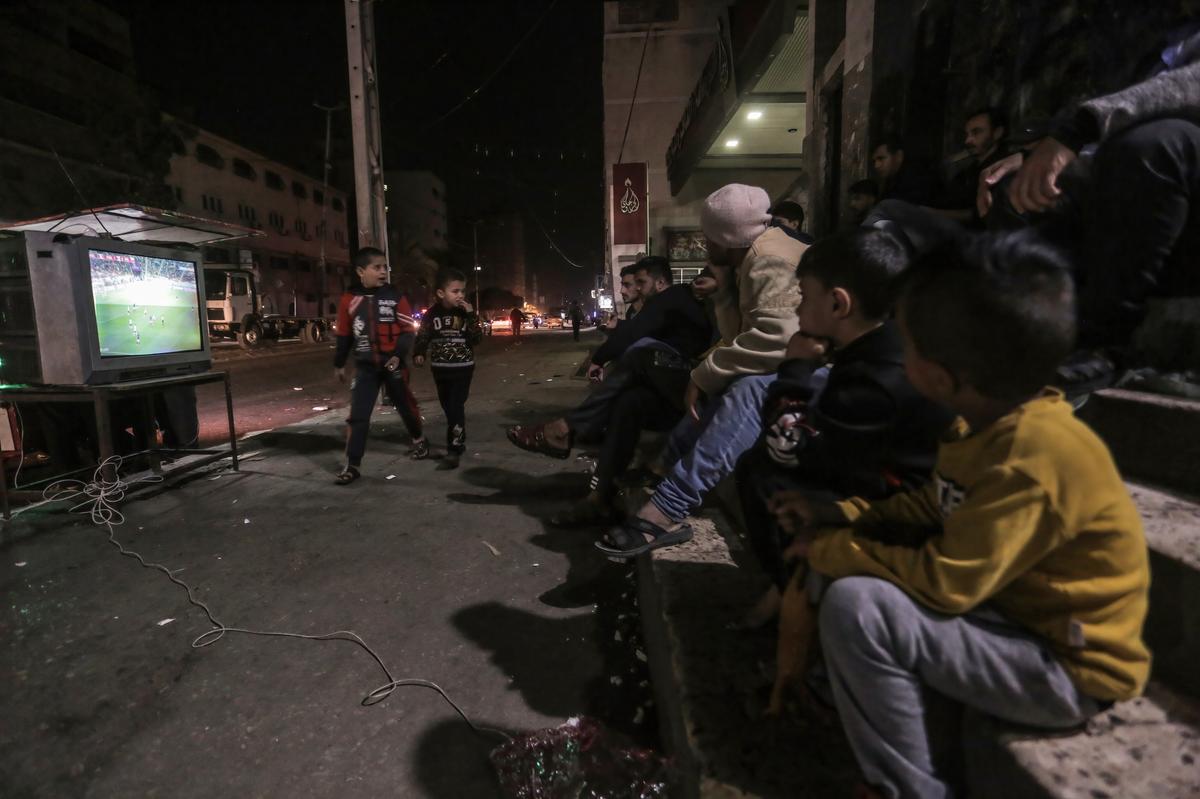
Palestinians watch a FIFA World Cup match between France and Poland on a TV screen along the street. | Photo Credit: GETTY IMAGES
Palestinians watch a FIFA World Cup match between France and Poland on a TV screen along the street. | Photo Credit: GETTY IMAGES
Though Rashid left Palestine 15 years ago, his connection to home never weakened. Last year, that bond suffered a devastating blow when his father, Al-Hajj Basim Ahmad Rashid Hmidan, passed away.
“It was really hard. When my father passed away, it was unexpected. That same morning, he was laughing, making jokes, just being himself. I was in training at the time when it happened. I had like 100 missed calls from my brothers and sisters. I’d never seen it, and I was shook (with the news that followed),” Rashid says.
Rashid returned to the USA, where his immediate family lives, took time to grieve, and absorb the change before returning to India. But the 30-year-old could never get past the death of his father, Basim. So, when he was blessed with a boy earlier this year, he could think of no better name.
“I just wanted my father’s name to be always around me, and because I also live away from home. So, it’s good to always call him Basim,” Rashid says, then pausing to look at some inconsequential object, thinking, before getting back into the conversation.
“At the end of the day, when you accept it (death of his father), you just say, thank God, alhamdulillah, we’re all gonna be there one day,” he adds.
On the field, Rashid has been a thorough professional – shining for both club and country. He has played two AFC Asian Cups for Palestine and was part of the squad that qualified for the round of 16 for the first time in Qatar two years ago.
“I hope one day, when it is free, fully, or at least we’re able to move freely in it, that I’m alive. I just pray to God that I am because I really want to see everything in the country,” he says.
As of December 2025, the United Nations Office for the Coordination of Humanitarian Affairs documented 925 movement obstacles that permanently or intermittently restrict the movement of 3.4 million Palestinians across the West Bank – a 43 per cent increase over the annual average in the preceding 20 years.
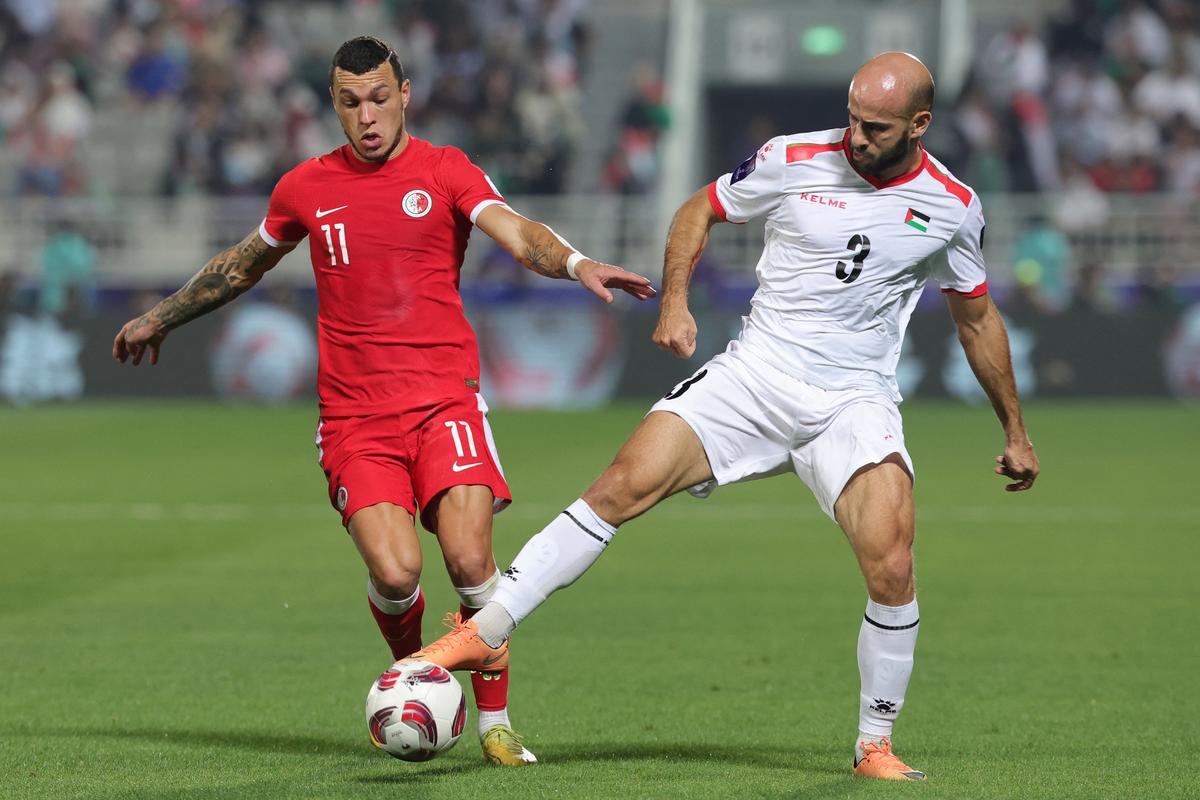
Rashid in action during AFC Asian Cup 2023. | Photo Credit: AFP
Rashid in action during AFC Asian Cup 2023. | Photo Credit: AFP
“As an Indian, you would love to go everywhere here, because you have the freedom to do so. But there, we don’t,” Rashid adds.
Rashid has come a long way from kicking a ball around in Ramallah. He has played 50 times for his country and travelled to different parts of the world as a player.
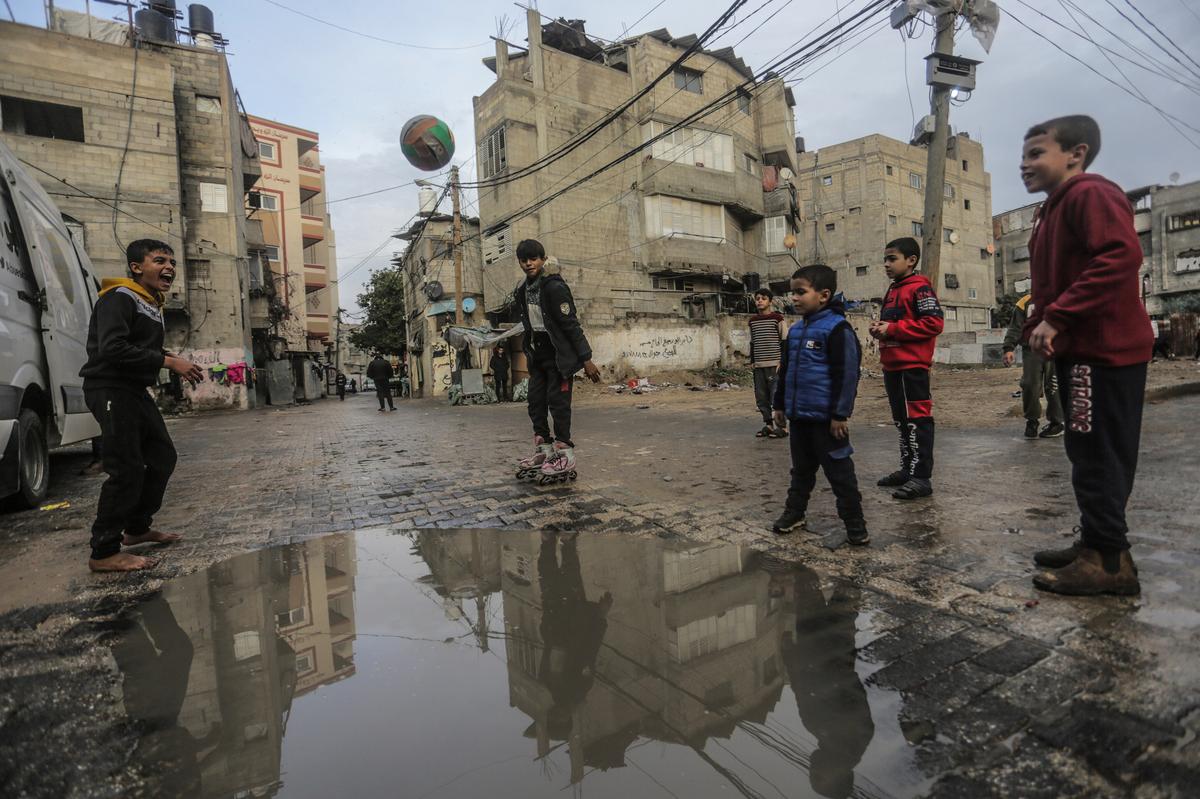
Palestine refugee children play football on the streets of Jabalia camp in the northern Gaza Strip. | Photo Credit: GETTY IMAGES
Palestine refugee children play football on the streets of Jabalia camp in the northern Gaza Strip. | Photo Credit: GETTY IMAGES
Every time he walks onto the field, Palestine walks with him – the streets where children play with rocks as goalposts.
“I look up to them (the people of Palestine) because of their patience and faith – something I want to achieve at some point in my life. I don’t know how a human being can go through this for three years — Minimal food, minimal water. The smallest bits of survival are not even there,” he says.
“To be in that state, in that situation, and being able to survive, honestly, they’re the real heroes. Inshallah, I really pray and hope that the day comes soon when we’re all free.”
Published on May 17, 2026