


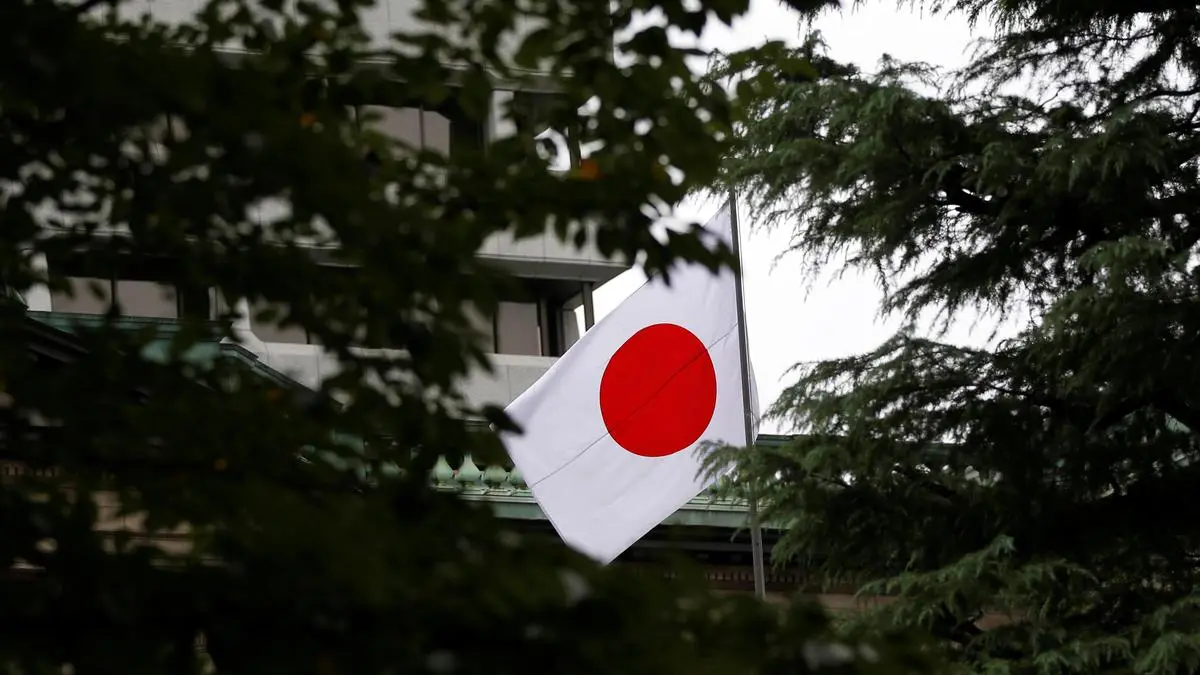
Japan has long prohibited most arms exports under its post-World War II pacifist constitution. It has made recent changes because of rising global and regional tensions, but exports were limited to five areas: rescue, transport, alerts, surveillance and minesweeping. | Photo Credit: TORU HANAI
Japan on Tuesday scrapped a ban on lethal weapons exports, a major change in its postwar pacifist policy as the country seeks to build up its arms industry amid worries over Chinese and North Korean aggression.
The approval by Prime Minister Sanae Takaichi's Cabinet of the new guideline clears a final set of hurdles for many arms sales, including Japanese-developed warships, combat drones and other weapons.
China criticised the change in policy, but it has been largely welcomed by Japanese defence partners like Australia and attracted interest from Southeast Asia and Europe.
Opponents say the change violates Japan's pacifist constitution and will increase global tensions and threaten the safety of the Japanese people.
The new policy will “ensure safety for Japan and further contribute to the peace and stability in the region and the international society as the security environment around our country rapidly changes,” Chief Cabinet Secretary Minoru Kihara told reporters. “The government will strategically promote defence equipment transfers to create a security environment that is desirable for Japan and to build up the industrial base that can support fighting resilience."
Japan has long prohibited most arms exports under its post-World War II pacifist constitution. It has made recent changes because of rising global and regional tensions, but exports were limited to five areas: rescue, transport, alerts, surveillance and minesweeping.
The new guidelines scrap those limits and allow the export of equipment such as fighter jets, missiles and destroyers. That's a major change from existing exports such as flak jackets, gas masks and civilian-use vehicles that Japan has sent to Ukraine and intelligence radars sold to the Philippines.
For now, such exports will be limited to 17 countries that have signed defence equipment and technology transfer agreements with Japan. They also must be approved by the National Security Council, and the government will monitor how the weapons are managed afterwards.
Japan remains committed to strict screening and export controls to third countries and will not offer lethal weapons to countries at war, officials said, but granted that exceptions could be made to that limit.
Japan began to export some non-lethal military supplies in 2014, and in December 2023, it approved a change that would allow sales of dozens of lethal weapons and components that it manufactures under licenses from other countries back to the licensors, clearing the way for Japan to sell US-designed Patriot missiles to America to make up for munitions that Washington sent to Ukraine.
The 2023 revision also paved the way for Japan to jointly develop a sixth-generation fighter jet with Britain and Italy, and for Japan's biggest arms deal ever, which was formalised last week with Australia. It calls for Japan to deliver the first three of a $6.5 billion fleet of Japanese-designed frigates for the Australian navy and jointly build eight others in that country.
Japan's domestic defence industry was long seen as a bad investment, limited to catering to only the Self-Defence Force and the Defence Ministry. Dozens of former defence contractors have withdrawn from the market.
That is changing as Japan accelerates a buildup of its military and defence industry to play more offensive roles in the face of threats from China, North Korea and Russia.
The defence industry is one of 17 strategic areas targeted for growth under the Takaichi government. A growing number of major companies and startups are showing interest, especially in dual-use goods and drones.
The government has also increased funding for startups and academic research.
Officials say they believe Japan's new arms transfer rules would contribute to deepening military and defence equipment cooperation with Japanese partners and to regional deterrence.
Australia on Saturday signed an agreement with Japan for the delivery of three of Mitsubishi Heavy Industries' upgraded Mogami-class frigates and to jointly produce eight others. It welcomed Tokyo's new policy as a move to deepen its defence partnership.
New Zealand has also shown interest in the Japanese frigates. Several other countries have also expressed interest in Japanese defence equipment, including the Philippines, which is seeking to buy used destroyers, officials said.
Last week, a group of 30 NATO representatives visited Japan to discuss further deepening ties as the US commitment to its alliance has been shaken by US President Donald Trump. They visited a subsidiary of Mitsubishi Electric Corp., which is part of the trilateral fighter jet project and also known for its satellite technology.
Published on April 21, 2026
此内容由惯性聚合(RSS阅读器)自动聚合整理,仅供阅读参考。 原文来自 — 版权归原作者所有。