









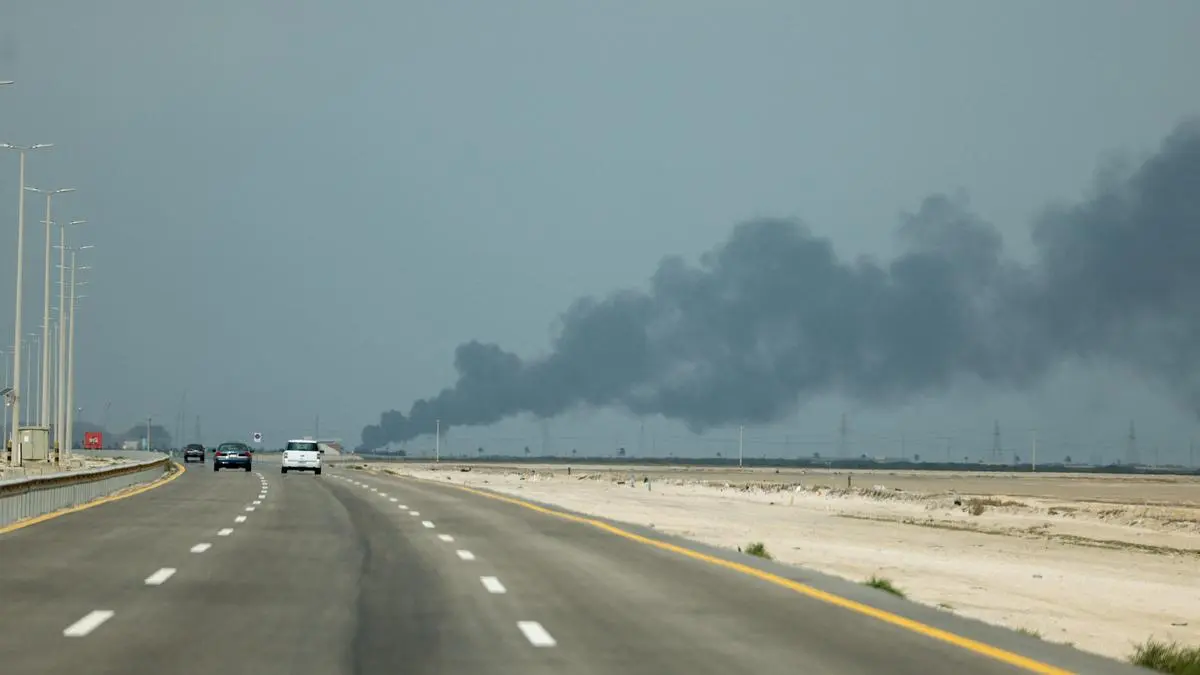
This war has left a devastating environmental trail | Photo Credit: STRINGER
A climate cost analysis of just the first 14 days of the US-Israel war on Iran revealed that it had emitted over 5 million tonnes of greenhouse gases, draining the global carbon budget faster than 84 countries combined, reported The Guardian. Experts say the figures will be catastrophically higher by the time the war winds down.
Amid the economic disruption, it is not surprising that most of us don’t see the war’s impact on the environment. Reports of black rain and breathing problems in the region can easily get buried under volatile stock markets and supply chains.
The Climate and Community Institute, the same think-tank The Guardian quoted, says the US military and military manufacturing industries are among the biggest climate polluters in the world. The US military is also the world’s largest institutional consumer of fossil fuels.
We live our lives trying to be diligent about our paper straws and public transport, carrying a sense of guilt that our petrol cars and plastic bags are harming the environment. We opt for the obviously overpriced ‘environment-friendly’ goods at the supermarket. Elsewhere, powerful nations with business interests and a ‘saviour complex’ bomb people they don’t like, and set fire to oil wells. The bigger question is: Who pays the price for the power games of politicians?
The environmental cost of the West Asia war makes it everybody’s business. We are all stakeholders. While we keenly watch the markets crash one day and crawl back up the next, what ought to be kept in mind is that all our investment plans only make sense in a world with breathable air, and an inhabitable climate. With the billions of tonnes of toxins released into the atmosphere as the war goes on, a dark cloud hangs over all of us.
Published on March 30, 2026
此内容由惯性聚合(RSS阅读器)自动聚合整理,仅供阅读参考。 原文来自 — 版权归原作者所有。