








In September, Myntra announced a partnership with SUGAR Cosmetics’ parent Vellvette Lifestyle for the launch of Molten Beauty, a brand created at the crossroads of skincare and makeup to cater to Gen-Z consumers. As Nandita Sinha, CEO, Myntra, explained, “Nearly 25 million Gen-Z consumers will be transacting with us this year. They are beauty-first or beauty-dominant consumers rooted in not just what looks good on them but also what is good for them.” SUGAR Cosmetics CEO Vineeta Singh added that Gen-Z consumers are the fastest growing cohort, and nearly half of all makeup product purchases is led by them.
Recently, the board of Heritage Foods approved a proposal to acquire 51 per cent stake in Peanut Butter and Jelly Private Limited, the owner of Get-A-Way, a brand offering high-protein, no-added-sugar ice creams and desserts. An important motive for the planned acquisition is to connect with Gen Z. Brahmani Nara, Executive Director, Heritage Foods Limited, said the acquisition will also strengthen the company’s premium play.
“Gen-Z consumers, who place a high value on experience, authenticity and wellness, are rewriting the beverage and food choices in India. Nearly 60 per cent of Indian Gen-Z consumers actively seek functional, protein-rich snacks and sweets, and more than 70 per cent say they are willing to spend extra for healthy, enjoyable products,” she said.
Reinventing strategies
Myntra, SUGAR and Heritage Foods are by no means the only businesses bitten by the Gen-Z bug. Aditya Birla Fashion and Retail Ltd, too, has launch OWND!, a brand focused on Gen Z and youthful consumers. In a statement, Sangeeta Tanwani, CEO, Pantaloons and OWND!, said, “The momentum with which the young consumer is reshaping the fashion landscape and its influential role in defining cultural trends is undeniable.” The company said it would rebrand its existing StyleUp stores as OWND! and increase the store count to 100 by the end of this financial year.
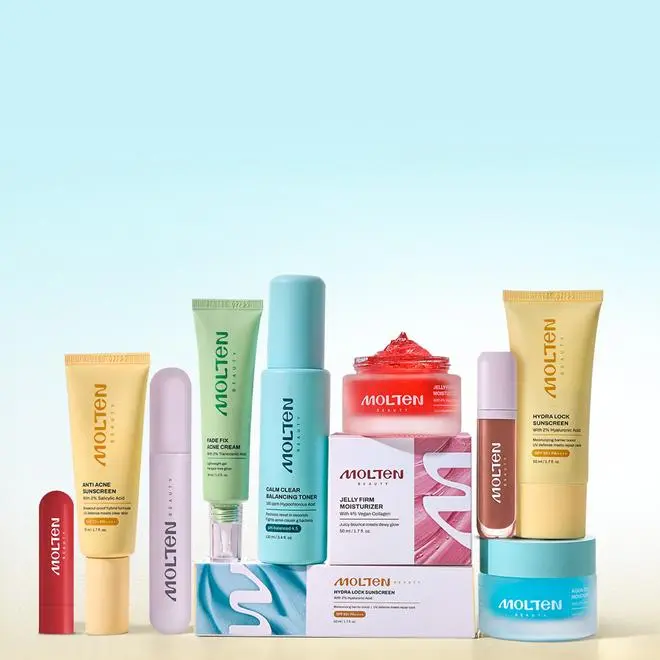
Molten Beauty products are designed for the Gen Z consumer
The rising influence of Gen Z on India’s consumption economy is making brands pause, rethink and re-imagine their playbooks. While many are launching youth-led labels or acquiring them, several — and these include legacy brands — are reinventing their marketing strategies to woo the Gen-Z cohort.
In her very first earnings call with investors recently, Priya Nair, the new CEO and MD of FMCG behemoth HUL, stressed the sway Gen-Z consumers now hold over consumption trends. “Today, we have almost 400 million Gen-Z consumers in India... driving change and transformation... So, as we re-imagine the brands, we need them to be more modern, more youthful,” she said, dwelling on the need to transform HUL’s brands in step with the evolving demands of the Indian consumer. “Whether it is packaging... a proposition... the product, it will be a renovation to the core,” she stated.
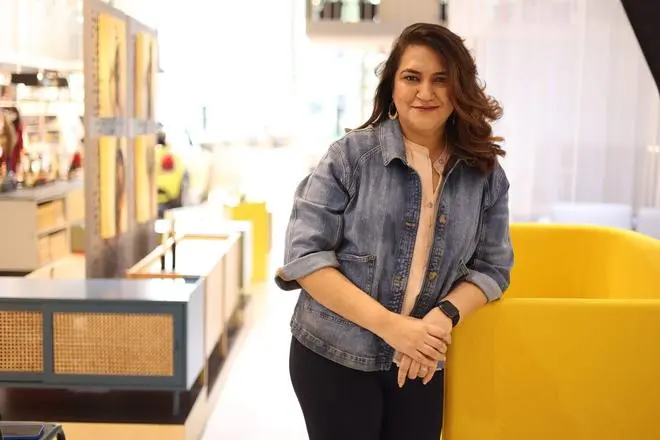
Radhika Ghai, CEO and Founder, kindlife
It’s a timely call to action as Gen-Z consumers are not only driving direct spends but also influencing purchase decisions.
Parul Bajaj, India leader-Marketing, Sales and Pricing Practice at Boston Consulting Group, said, “Gen Z is already driving $860 billion in consumption, projected to hit $2 trillion by 2035 — when every second rupee spent will be driven by Gen-Z. Of this, $200 billion (23 per cent) is direct spends by earning Gen-Zers, while $660 billion (77 per cent) is influenced spends, shaped by their preferences within families. Gen Z drives 40–50 per cent of spends in fashion, beauty, travel and food, reshaping consumption through values of authenticity, visual expression, optimism and social connectedness.”
Shared experiences
When it comes to Gen Z, millennials tactics don’t hold, Bajaj insists.
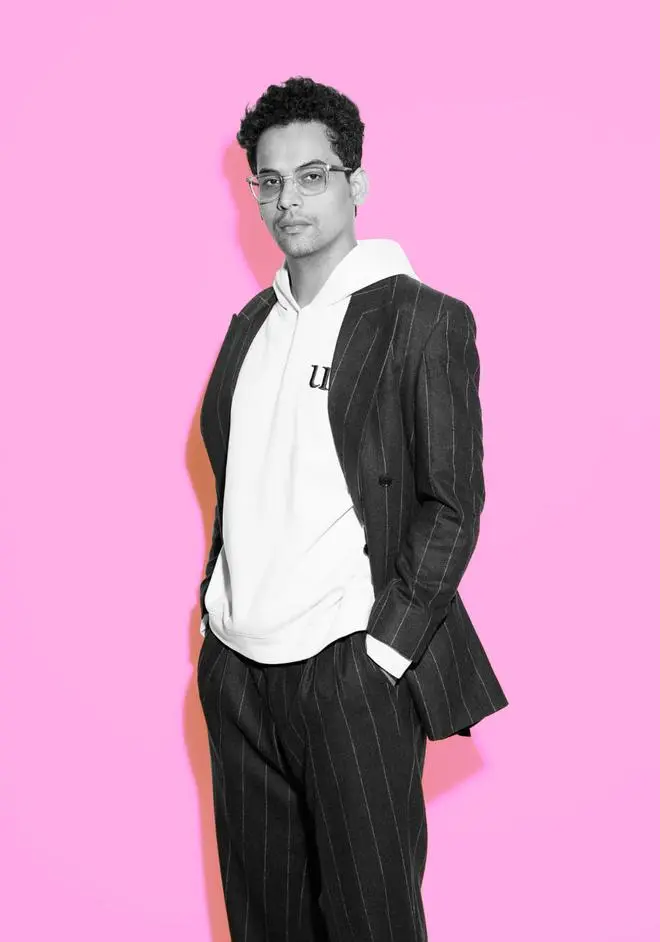
Rahul Dayama, Founding Partner of Urbanic
According to her, social shopping, visual immersion (AR, pop-ups), omni-channel journeys, and creator partnerships are the key levers that would matter.
Echoing this, Radhika Ghai, CEO and Founder, kindlife, a retailer for Korean and Japanese beauty products in India, noted that, beyond just products, the need for the Gen-Z audience is to belong to a story. “We’ve built our marketing around this understanding. Our campaigns focus on conversations, not just communication — whether it’s through creator-led storytelling, social challenges that spark real engagement or events that bring our digital community to life. We believe amplification doesn’t happen through big spends but through shared experiences, from campus pop-ups to content collaborations that celebrate individuality,” she added.
The participatory and layered approach blends online and offline touchpoints, peer validation and sensorial experiences, she said.
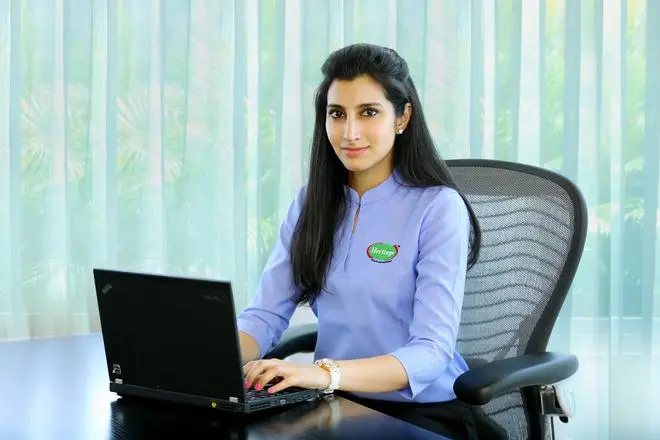
Brahmani Nara, Executive Director, Heritage Foods Ltd
Rahul Dayama, Founding Partner of fashion brand Urbanic, whose sub-brand Savana is Gen-Z focused, said that the target group is probably the most misunderstood yet expressive generation seen so far. “With the influx and overconsumption of information, they sit at the crossroads in an ever-changing landscape of how content is consumed, distributed and retained,” he said, adding that Gen Z is smart enough to evaluate a brand based on its real potential and to form a loyal fanbase when the purpose, stories and experiences feel genuine to them.
With so many new brands chasing Gen-Z consumers, investors too are taking note.
“Gen Z consumer pattern is very distinct from earlier generations. They are highly value-conscious, health-conscious, trend-driven, experimenting and expressive by nature and demand authenticity. We believe this will create massive opportunities and drive huge demand uptick across segments like fashion, beauty, fitness and travel,” said Prayag Mohanty, Principal at Fireside Ventures.
More Like This




Published on November 3, 2025