
惯性聚合 高效追踪和阅读你感兴趣的博客、新闻、科技资讯
阅读原文 在惯性聚合中打开

推荐订阅源

K
Kaspersky official blog
罗磊的独立博客
F
Fortinet All Blogs
人人都是产品经理
人人都是产品经理
量子位
V
Visual Studio Blog
Blog — PlanetScale
Blog — PlanetScale
M
MIT News - Artificial intelligence
B
Blog RSS Feed
腾讯CDC
博客园_首页
aimingoo的专栏
aimingoo的专栏
博客园 - 三生石上(FineUI控件)
博客园 - Franky
S
SegmentFault 最新的问题
N
Netflix TechBlog - Medium
小众软件
小众软件
奇客Solidot–传递最新科技情报
奇客Solidot–传递最新科技情报
K
KPMG report finds enterprise disconnect between AI and its ROI | CIO
Threat Intelligence Blog | Flashpoint
L
LINUX DO - 热门话题
cs.CL updates on arXiv.org
Martin Fowler
Martin Fowler
D
Docker
P
Privacy & Cybersecurity Law Blog
S
Securelist
V
V2EX
Jina AI
Jina AI
阮一峰的网络日志
阮一峰的网络日志
T
Tor Project blog
The Hacker News
The Hacker News
Microsoft Azure Blog
AWS News Blog
AWS News Blog
The GitHub Blog
The GitHub Blog
有赞技术团队
有赞技术团队
T
The Exploit Database - CXSecurity.com
Help Net Security
Help Net Security
酷 壳 – CoolShell
酷 壳 – CoolShell
Application and Cybersecurity Blog
博客园 - 叶小钗
Recent Announcements
Cloudbric
Cloudbric
Y
Y Combinator Blog
钛媒体:引领未来商业与生活新知
钛媒体:引领未来商业与生活新知
freeCodeCamp Programming Tutorials: Python, JavaScript, Git & More
Latest news
Latest news
MongoDB | Blog
MongoDB | Blog
H
Hackread – Cybersecurity News, Data Breaches, AI and More
Recorded Future
Recorded Future
V2EX - 技术
V2EX - 技术

Health, Aviation, Automobiles, Entrepreneurs, India, Technology, Luxury | The HinduBusinessLine

How to retire financially secure APTEL’s judgement is a wakeup call for discoms For a partial exit via a secondary, timing and context matter After a lull, why temperature spikes are likely to intensify in north India JAL insolvency sees corporate titans cross swords Putting planet earth on livestream We channel savings to build infra: NaBFID chief Rajkiran Rai Power regulator’s nudge towards ‘market coupling’ Cruising towards Indian carbon market Backing India’s next phase of industrial growth New hope at HOEC GST reform is sweet news for Perfetti Van Melle India Faired Play Yamaha's Aerox EC-06: Off the mark Lenovo Legion 5 review: Slim profile, serious gaming muscle The ultra-quick marathon runner Inside India’s GLP-1 rush Stalling the silent spread of TB cases Meditation, play and staying curious Towards a malaria-free future Don’t hide unfavourable clinical trial results: FDA Countries take more ownership of immunisation Medical supply chain leaks: Where does the buck stop? Feature-rich, bass-heavy Comfortingly familiar? India credit funds shrug off US blues What an Oracle foretells about jobs and careers in the AI era Less engaged workforce Renewable energy ministry approves pilot CfD scheme Banking on deposit tokens and tokenisation Renewable components supply chained to imports Strengthening the hands of agentic AI Voice AI: The chatter-bots speaking up for India Should founders cash in while the firm is still shaky? Biotech firm takes the battle to metastasis TVS Motor bikes into global third spot Building Lalit hotels with emotion Despite PFBR going critical, India is still a long way from thorium utilisation Oil-starved industry looks to reignite heat pumps Eclectic Force Tax Benefits An antidote for battery anxiety Ring in the future Stand with science for universal wellbeing Wearable tech: Health monitors on the go The uncomfortable conversations over end-of-life decisions USEPA labels microplastics, pharmaceuticals as contaminants How medical myths go viral at deadly speed Gym sessions, yoga and occasional return to rollerblading Australia looks for improved ways to regulate sunscreens EC To Like The OG Returns Nothing Phone (4a) Pro review: For the love of metal Apple Inc. Turns 50 on April 1: A look back at its journey Key takeaways from CEA’s national power generation adequacy plan for the coming decade Storage, flexible usage and ‘virtual supply’ are key to taming peak power demand Insuring the gift of longevity with dignity Lupin goes for bigger bites of innovation Does greater online penetration destroy profitability? L’affaire HDFC: The curious case of a resignation CERC settles dispute dating back a quarter century From 200 hotels to 500: Radisson’s blueprint for growth in India New NDC: As wars rage elsewhere, India must battle to green itself AI talent transformation at LTM Judging and backing early winners Startups now deliver healthcare too How D2C firms must adapt to find buyers in the AI era Armatrix’s robots slither into dangerous industrial nooks Show and Tell Plush Point Xiaomi Pad 8. Solid performance meets productivity MacBook Neo. Entry-level laptop done right Slower pace of reduction in child mortality India’s silent newborn crisis Small daily habits, no quick fixes TB endgame: Yes, we can Alternatives to animal testing in drug development The pothole ‘miracle’ that wasn’t ‘Special 301’ report, in a time of strife Sound Majority Skoda Kushaq Facelift: Game of Thrones in SUV market iPhone 17e. All the iPhone you need? Samsung Galaxy S26 Ultra: Samsung hits peak Android, yet again Marine insurance’s added cost of war Ikea’s DIY plans for India Can ‘district cooling’ temper peak power demand? How should CEOs respond to the West Asian crisis Buzz in energy storage sector Electrifying effect of India Energy Stack Women-led commerce Finding a niche in air, water and carbon The Pygmalion effect on cricket and work! What is slowing residential rooftop solar installations ‘Ability to protect innovations is key’ Democratising cross-border payments The AI tsunami that is engulfing D2C startups Patenting for plastic circularity Ready to Raid On a Charge The Honda Shine 100 DX review: Light work
CERC sends out feelers for ‘capacity markets’
By M Ramesh · 2026-05-11 · via Health, Aviation, Automobiles, Entrepreneurs, India, Technology, Luxury | The HinduBusinessLine
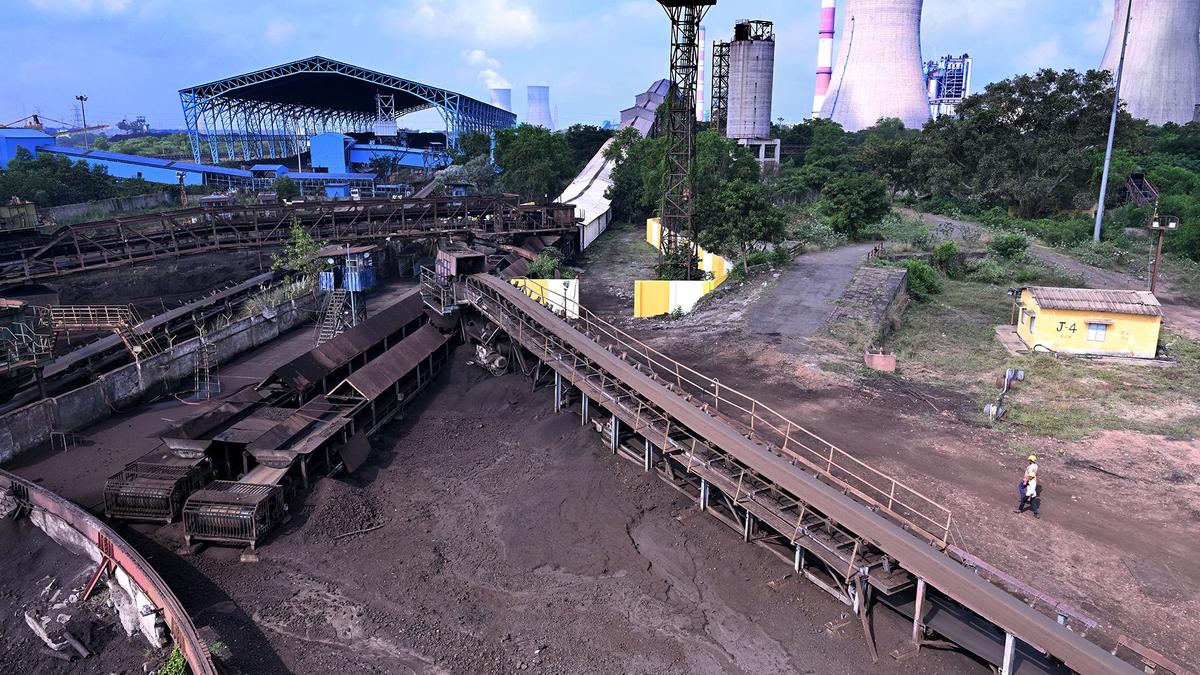
FLEXI ASSET. Thermal-green power combo for grid stability

FLEXI ASSET. Thermal-green power combo for grid stability | Photo Credit: JOTHI RAMALINGAM B

The National Electricity Plan (2026), scripted by the Ministry of Power, brought in several new concepts that reflect modern thinking. One of the concepts introduced is ‘capacity markets’.

The Central Electricity Regulatory Commission (CERC) has followed up with a ‘staff paper’ on the subject and put it out for public comments.

The concept of ‘capacity markets’ could be somewhat confusing in India because the country’s two-part tariff system already compensates generators through fixed capacity charges.

Capacity vs energy

Generators under long-term power purchase agreements (PPAs) are currently compensated through the two-part tariff comprising a fixed capacity charge and a variable energy charge. In other words, the tariff includes an assured payment for the power plant, regardless of whether it runs or not.

The ‘capacity market’ concept further breaks the two-part tariff into two. It seeks to make capacity itself a separately traded, competitively priced product. Developers put up capacities under ‘capacity markets’. They are not guaranteed recovery of the costs — they compete in the market. The lowest cost capacity gets business.

The ‘capacity market’ system tells generators that there is “no administratively assured payment for your capacity availability, so compete in the market and recover your costs — just as you do for your energy”.

Why now?

As renewable energy expands, the power system increasingly needs generators that may run infrequently but must be available at short notice — driving interest in capacity market mechanisms.

The staff paper says: “The central concern is that India’s power system is changing rapidly due to the growing share of renewable energy, especially solar and wind, whose output is intermittent. While India’s present market structure compensates generators mainly for the electricity they actually supply (“energy-only market”), the paper asks whether the country also needs a mechanism that pays generators simply for keeping dependable capacity available when required.”

The paper notes that renewable-heavy systems face periods when solar or wind generation suddenly falls, while demand remains high. Under such conditions, the grid needs sufficient despatchable or flexible resources — thermal plants, hydro stations, storage systems, gas plants and demand-response resources — to maintain reliability.

However, many of these assets may not remain financially viable if their revenues come only from selling electricity in spot markets, particularly during periods of low market-clearing prices caused by abundant renewable generation.

CERC, therefore, explores the concept of a ‘capacity market’, under which generators would receive payments not only for actual energy supplied but also maintaining available capacity. In effect, the system would compensate plants for being ready to supply power whenever needed. The staff paper stresses that the issue is not immediate shortage of installed capacity — India currently has surplus capacity in many regions — but the future adequacy and financial sustainability of reliable generation as the energy mix changes.

Pros and cons

The paper also outlines the possible advantages of such mechanisms in India. These include improving investment signals for flexible generation and storage, ensuring resource adequacy during peak demand periods, supporting grid reliability, and facilitating higher renewable penetration. Capacity markets could also encourage investment in battery storage and other balancing resources. On the other hand, critics argue that capacity payments can distort markets, increase the cost for consumers and lock in inefficient thermal assets longer than necessary.

Capacity markets are not about to invade India anytime soon, but they are making an appearance on the horizon.

More Like This

Published on May 11, 2026