






TIMELY DIAGNOSIS. Portable, handheld X-ray devices enable on-the-spot TB screening even in remote settings | Photo Credit: SUSHIL KUMAR VERMA
India’s tuberculosis (TB) response has undergone a quiet but significant shift. In 2025, over 26 lakh TB patients were notified — the highest ever. This is not a setback — it reflects progress. Finding more cases is exactly what success looks like in the early stages of elimination. It means fewer infections going undetected or spreading silently.
This shift is already translating into impact. India is reducing TB incidence at nearly twice the global average — progress that only becomes possible when patients are diagnosed early and treated fully.
Historically, diagnosis has been the weakest link. Even today, globally over 3 million TB patients go undiagnosed, allowing the disease to spread silently. India’s response is changing that narrative. The fundamental shift is that instead of waiting for patients to seek care, reaching it actively to those who need it.
Today, diagnosis is being brought closer to communities. Portable, handheld X-ray devices, supported by artificial intelligence, enable on-the-spot screening even in remote settings. Molecular diagnostic tests at the district level can now detect TB and drug resistance within two hours, significantly reducing delays and loss of follow-ups.
Crucially, emerging evidence has reshaped our understanding of TB. A substantial section of patients may have no symptoms — cough or fever — yet continue to transmit the disease. India’s large-scale community screening efforts are beginning to address this lacuna. Under the TB Mukt Bharat Abhiyan initiative, a significant share of detected patients were found to have no symptoms, underscoring the importance of proactive screening.
The future of TB testing is filled with remarkable patient-centric tools, promising affordability, decentralisation and, eventually, even self-administration.
These tools can make testing faster, simpler, and more patient-friendly. Rapid triage tests using a finger-prick blood sample can identify likely TB cases in minutes, enabling frontline workers to prioritise confirmatory testing. AI is also opening new frontiers — smartphone-based applications are being developed to analyse cough sounds, expanding access to screening through widely available devices.
Innovation is also tackling long-standing barriers such as dependence on sputum samples. Non-invasive alternatives like tongue swabs and urine-based tests are emerging, particularly benefiting children, the elderly, and patients unable to produce sputum.
At the heart of this evolving ecosystem is the expansion of molecular testing. Advances such as open-platform PCR technologies can make high-quality diagnostics more affordable and accessible, reducing dependence on proprietary systems and enabling faster turnarounds. At the same time, the diagnostic infrastructure built during the Covid-19 pandemic offers an opportunity to further scale up TB testing. India has already developed homegrown solutions based on this technology, which can deliver results in under 60 minutes, at up to 80 per cent less cost than a standard PCR test.
These advances are also enabling a more integrated approach to healthcare. New diagnostic platforms can screen for TB alongside conditions like HIV and diabetes, improving early detection and streamlining patient pathways.
The momentum is real — the task ahead is to ensure that these innovations are integrated at every level of our health system, reaching every patient who needs them. Closing the detection gap is not just one step in the journey — it is the foundation of ending TB.
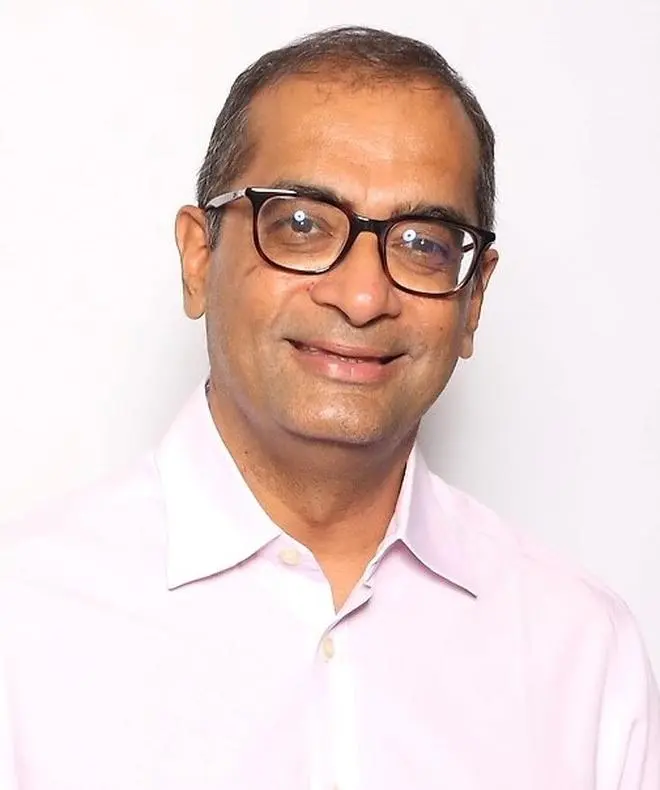
Madhav Joshi, CEO at India Health Fund, a Tata Trusts initiative
(The writer is CEO at India Health Fund, a Tata Trusts initiative. Views are personal )
Published on April 20, 2026
此内容由惯性聚合(RSS阅读器)自动聚合整理,仅供阅读参考。 原文来自 — 版权归原作者所有。