








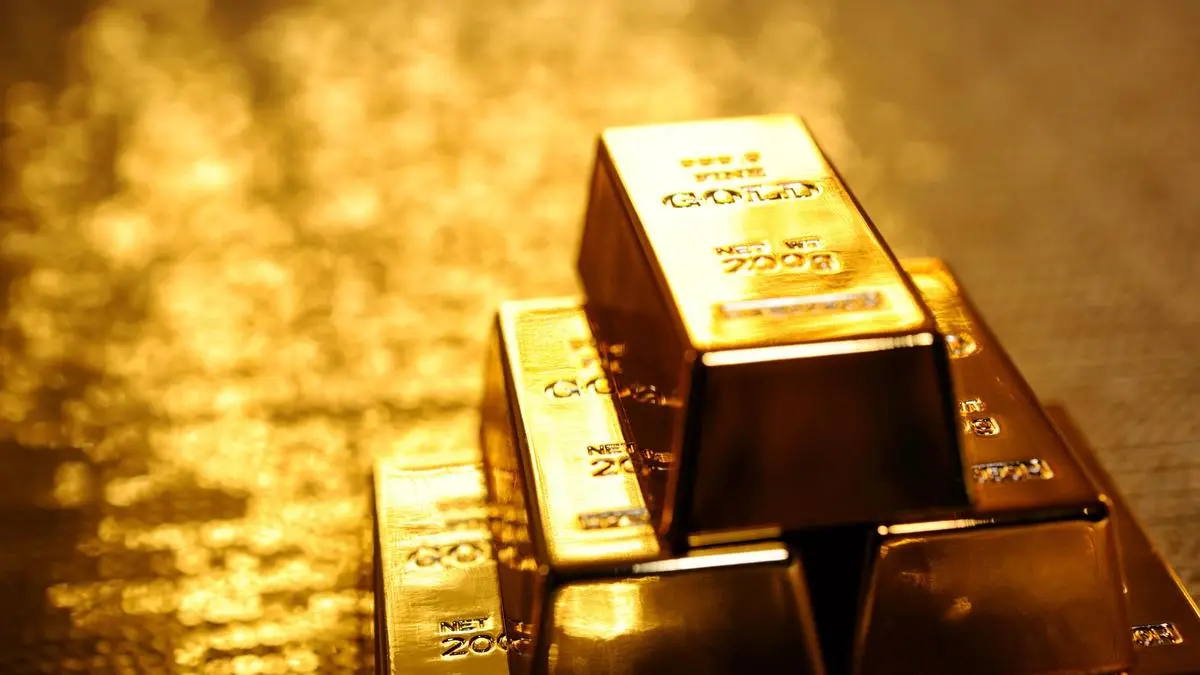
In the past, value of gold imports declined substantially in value terms in the months following Centre’s import duty hikes | Photo Credit: DigitalVision
The Centre’s move to increase import duty on gold and silver from 6 per cent to 15 per cent and the duty on platinum imports from 6.4 per cent to 15.4 per cent was expected. Gold and silver imports ballooned in FY26, preceding the impact of the Iran war which broke out late February, putting the current account balance under stress. Since the war, the rupee has lost almost 5 per cent. With gold prices having risen about 30 per cent over a year and holding firm now at $4,700/troy ounce, India is staring at the prospect of another year of high foreign exchange outgo on imports if it does not change its ways. At $83 billion in FY26, gold and silver already exceed 10 per cent of the total import bill.
A drop in import volumes will be necessary to offset the double whammy of firm prices and a weak currency. The Prime Minister’s appeal to households to postpone gold purchases should be seen in this light. Gold is largely viewed as a non-essential import with industrial demand limited to 13 per cent of its consumption. So, clamping down on consumption will not impact economic activity. To be sure, the volume of gold imports came down from 879 tonnes in FY22 to 721 tonnes in FY26, but the increase in gold prices resulted in a spike in value terms. Gold imports stood at $72 billion in FY26, up 24 per cent over FY25, while silver imports at $12 billion were 150 per cent higher than in the previous fiscal. The sharp increase in gold prices since 2024 appears to have stoked investment demand too, with demand for gold exchange traded funds as well as gold bars and coins witnessing an increase. Duty increases can dampen both types of gold demand — namely, retail and investment. The Centre has done well to close an arbitrage possibility between FTA and general rates, by increasing the concessional duty on gold imported from the UAE (under the India-UAE Comprehensive Economic Partnership Agreement) from 5 per cent to 14 per cent.
In the past, gold imports declined substantially in value terms in the months following Centre’s import duty hikes. This was observed in 2013, 2019 and 2022. If that scenario plays out now, the import bill can be expected to decline $6-9 billion following the nine percentage points increase in the levy. Given the unrelenting pressure on the balance of payments due to continuing foreign portfolio outflows, increasing oil import bill, decline in inward remittances and impact of the war on exports, the Centre will have to use all tools at its disposal.
There is a downside to these duty hikes — the prospect of gold being smuggled into the country, as the price gap between domestic market and overseas market widens. The Centre will have to heighten its vigilance. The Centre may also want to consider another, better designed and implemented scheme of gold monetisation as a way to step up recycling of idle domestic gold.
Published on May 14, 2026
此内容由惯性聚合(RSS阅读器)自动聚合整理,仅供阅读参考。 原文来自 — 版权归原作者所有。