







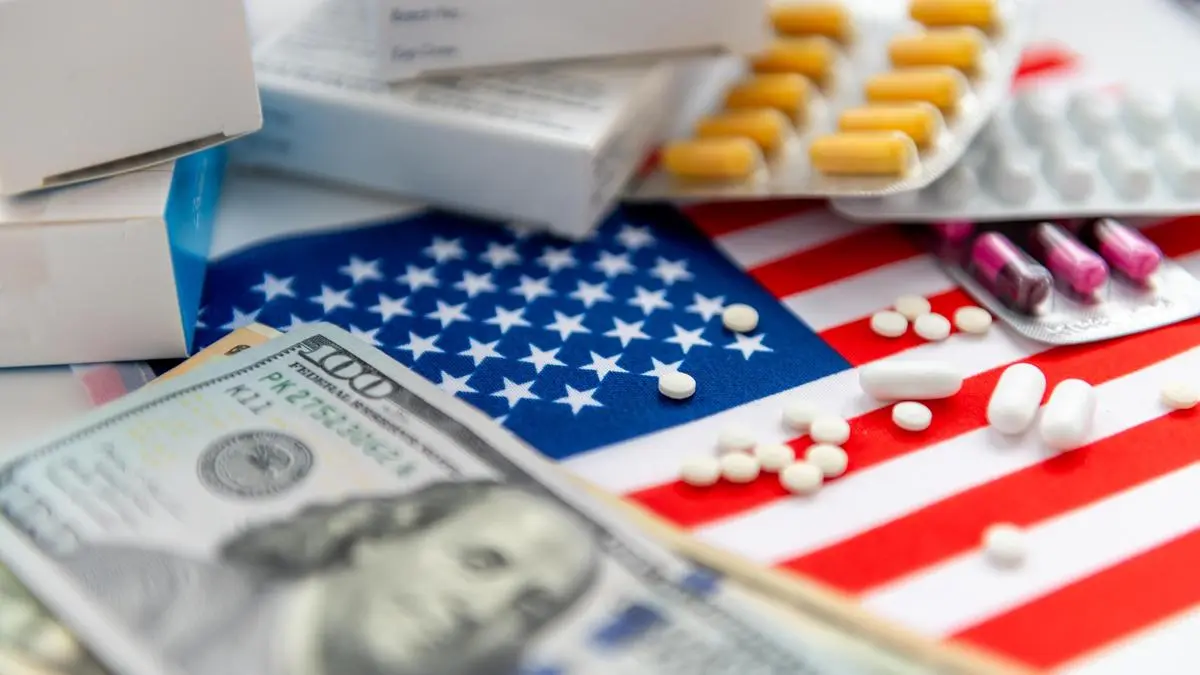
Pharma acquisition: Dealing with regulatory hurdles | Photo Credit: Yau Ming Low
The landmark $11.75 billion buyout of US-based Organon by Sun Pharma impacts investors, policymakers and consumers. At the outset, there is a looming context that cannot be overlooked. The Trump administration, after having concluded its Section 232 investigations on pharma imports recently (examining ‘national security’ concerns), decided last month that tariffs of up to 100 per cent will be imposed with effect from July, on some patented drugs and ‘associated’ ingredients. Imports of generics will be exempted if the exporting companies enter into drug pricing agreements with the US, or if the country concerned gets into “MFN deals with the administration”.
This order really matters for Sun Pharma, which earns nearly a third of its revenues from the US market as an exporter of generics. With the latest US order, it would probably make sense for global companies reliant on the US market to cut deals to ‘make in America’. The Sun-Organon deal might have been struck to mitigate future market and cost risks. A valuation of 6.2x of Organon’s EBITDA looks good for Organon as well. Sun possibly gains by securing its US market and getting an entry into China (13 per cent of Organon’s revenues). It can leverage Organon’s product range, particularly in areas of women’s health (33 per cent of its revenues), established brands (half its revenues) and biosimilars (11 per cent and rising sharply).
However, Sun is buying into Organon’s debt, which is 4x its EBITDA, while its own debt-EBITDA ratio is below one. The challenge for Sun is to secure better long-term returns from Organon’s products than the latter has managed in recent times. Since Organon has no major patents, it is not clear how Sun can leverage them. In its 2024 annual report, Organon has cited its “risks”. Its sales are over-reliant on a few products, such as Nexplanon (its flagship product, a contraceptive implant), Arcoxir (a pain reliever for arthritis in particular) and Singulair (for respiratory ailments). Organon’s sales from Nexplanon have dipped as its patent has lapsed in most countries except for the US, where the patent expires in 2027. According to the annual report, it will have to rely on “future acquisitions, partnerships or collaborations” even to keep branded generics sales going. Clearly, Organon lacks the means to carry on, even as its women’s products and presence in biosimilars holds promise.
For investors and consumers, the combined entity (comprising two equals with revenue of $6.2 billion each) poses certain risks. A new set of products could enter the Indian market, amidst low levels of awareness. It is worth noting that Organon’s CEO quit last year over sharp sales promotion practices with respect to Nexplanon and an anti-depressant, Remeron. The company faces trouble over alleged patent infringement, while its contraceptive NuvaRing is controversial for side effects. India should keep a strict regulatory eye on ‘innovative’ products, without coming under pressure.
Published on May 3, 2026
此内容由惯性聚合(RSS阅读器)自动聚合整理,仅供阅读参考。 原文来自 — 版权归原作者所有。