



惯性聚合 高效追踪和阅读你感兴趣的博客、新闻、科技资讯
阅读原文 在惯性聚合中打开

推荐订阅源

I
InfoQ
博客园_首页
美团技术团队
M
MIT News - Artificial intelligence
人人都是产品经理
人人都是产品经理
Blog — PlanetScale
Blog — PlanetScale
H
Help Net Security
J
Java Code Geeks
T
Tailwind CSS Blog
Jina AI
Jina AI
量子位
freeCodeCamp Programming Tutorials: Python, JavaScript, Git & More
G
Google Developers Blog
爱范儿
爱范儿
Cyber Security Advisories - MS-ISAC
宝玉的分享
宝玉的分享
小众软件
小众软件
MongoDB | Blog
MongoDB | Blog
博客园 - 三生石上(FineUI控件)
L
LangChain Blog
酷 壳 – CoolShell
酷 壳 – CoolShell
V
Visual Studio Blog
博客园 - Franky
钛媒体:引领未来商业与生活新知
钛媒体:引领未来商业与生活新知

Economy News, Latest Economic News Today | The HinduBusinessLine

GE, HAL clinch tech deal on joint jet engine plan India rejects USTR allegations, seeks termination of Section 301 probe Indian automobile sales record highest-ever sales in FY26, first time after FY19: SIAM Madhya Pradesh CM says basmati rice from the State is exported to 47 nations 63 Moons’ cybersecurity arm pilots GPS-spoofing solution at Indian airports Highways ministry notifies amendment to streamline fee for overloaded vehicles on NHs Global aviation crisis deepens as fuel shortage, Iran conflict hit airlines TRI launches agri-voltaic project to help farmers earn double income Hotel industry to hit $31 billion in 2029; listed hotel firms set to add 70k rooms by 2030: CBRE Temperatures may trend up over North-West, Central India until weekend Reduction in airport tariff credit neutral, minimal impact on revenue: Ind-Ra Global coffee prices rise as fertiliser costs and West Asia tensions threaten supply Bluspring Enterprises to acquire LSG Sky Chefs India, enters aviation catering sector China says policy to improve relations with India remains unchanged amid Arunachal naming row Research firms divided over impact of below normal monsoon on food inflation Unnat Krishi Mahotsav concludes, farmers to emerge as energy, fuel & hydrogen providers, says Gadkari Airlines may get ₹5,000 crore credit support under proposed ECLGS variant How kashmir’s breakthrough is making Gucchi mushroom farming possible Centre not taking away State’s power on bonus for agri produces, says FM Sitharaman Carriers cut flights on cost pressures, uncertain demand GE Aerospace scales AI from pilots to production; India anchors global capability West Asia crisis may push India’s current account deficit to 2% of GDP: Crisil Tax Dept to resume Tiger Global reassessment, says GAAR relief won’t alter SC ruling Ceasefire talks fail to restore vessel movement in Strait of Hormuz, fate of 599 ships remain inconclusive DMRC launches mid-life refurbishment of Blue Line trains to enhance safety and passenger experience Retail inflation likely rose 3.5-4% in March India-UK free trade pact may come into force from second week of May: Official 'West Asia war a good opportunity for energy reforms, lower costs for industry' India’s marine exports surge to ₹62,408 crore in 2024-25, Govt sets ₹1 lakh crore target PM Modi to inaugurate Dehradun-Delhi Expressway on April 14
CAG urges AI-driven monitoring to detect corruption and b...
By ANI · 2026-05-20 · via Economy News, Latest Economic News Today | The HinduBusinessLine
Comptroller and Auditor General of India K Sanjay Murthy said India should leverage artificial intelligence, machine learning and data analytics to detect corruption, bid rigging and cartelisation in government tenders

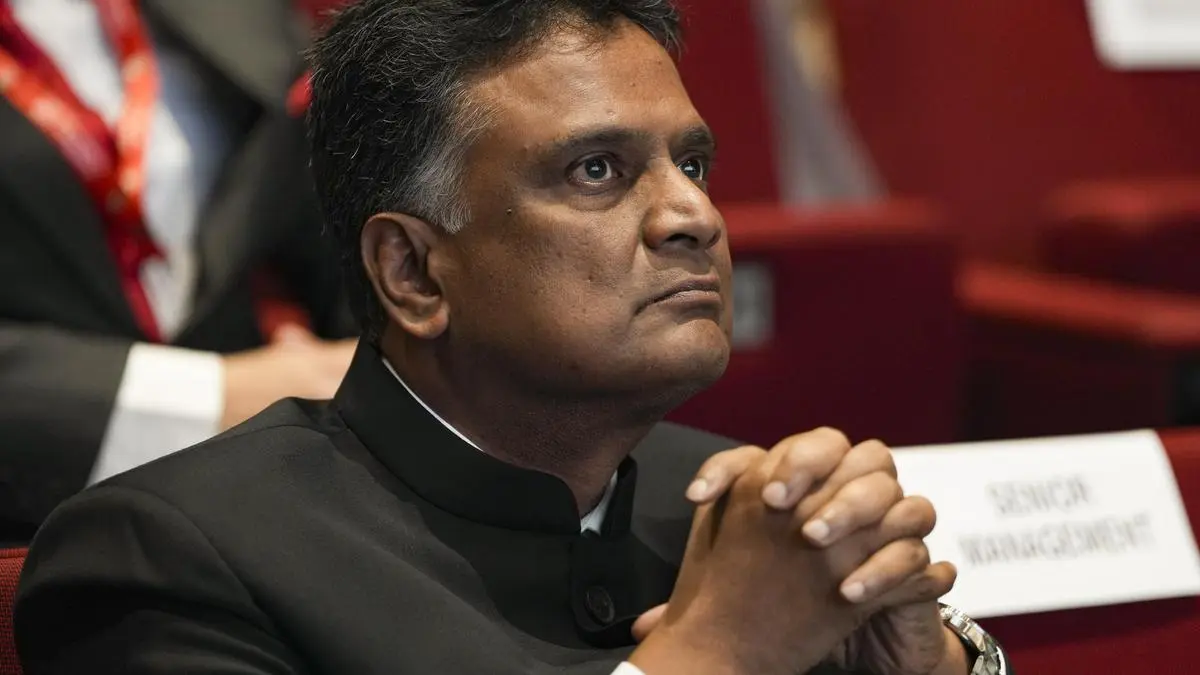
Comptroller and Auditor General of India K Sanjay Murthy said India should leverage artificial intelligence, machine learning and data analytics to detect corruption, bid rigging and cartelisation in government tenders | Photo Credit: ATUL YADAV

India should use data and technology to detect corruption and unfair practices in government tenders, with stronger coordination between the Comptroller and Auditor General of India and the Competition Commission of India to identify collusion and protect public funds, Comptroller and Auditor General of India, K Sanjay Murthy said on Wednesday.

Addressing the 17th annual day event of the Competition Commission of India, Murthy said audit and competition enforcement must work together to identify anti-competitive practices in procurement, as such actions directly affect public expenditure and citizen welfare.

K. Sanjay Murthy said, “The relationship between audit and competition is not incidental. It is structural. In government procurement, when suppliers collude to fix prices, rig bids, or divide markets, they do not merely violate competition law. They also cause direct and measurable loss to the public exchequer.”

AI and machine learning to strengthen audit systems

He said CAG is increasingly using artificial intelligence, machine learning and large-scale data analytics to detect irregularities in procurement systems and generate evidence for action.

“We are currently deploying artificial intelligence and machine learning tools to analyse this data in its entirety, moving far beyond the entity sampling paradigm to the selection of detailed audit after holistic analysis,” Murthy said.

He added that audit systems are now moving towards real-time monitoring to identify suspicious patterns across tenders.

“Modernized audit systems will identify repeated bid rotations, suspicious clustering of vendors, and concentration of awards, and patterns limiting competition across tenders. Going forward, our vision is to enable near real-time identification of procurement concentration and cartel risk indicators,” he said.

CAG-CCI collaboration seen as key for transparent growth

Murthy said the two institutions can create “enormous national value” by sharing data and insights, especially as India’s public procurement ecosystem becomes more digital and complex.

He also said CAG findings have, in several cases, helped trigger investigations by the Competition Commission of India into cartelisation and bid-rigging in public tenders, including a recent April 2026 order against 17 entities for collusive bidding.

According to him, such collaboration will become more important as India moves toward its goal of becoming a developed economy by 2047, where competitive markets and transparent public spending will remain central to growth.

Published on May 20, 2026