





As the world marks International Women’s Day on March 8, women in India are increasingly reshaping the country’s investing landscape — moving beyond household budgeting to actively building wealth and making strategic financial decisions.
Consider the spectrum: a 23-year-old legal executive investing nearly 70 per cent of her salary in equities, and a 60-year-old education advisor who entered markets later in life but now manages her portfolio with confidence. Their journeys reflect both progress and the persistent gaps in women’s financial participation.
Across generations, one insight stands out: for many women, financial security is less about absolute wealth and more about autonomy. It is about building buffers against uncertainty, planning for longer life expectancy, and ensuring dignity in retirement. According to India’s Sample Registration System (2019-23), women live on average 72.5 years, compared with 68.5 years for men, underscoring the need for stronger long-term financial planning.
Women’s participation in financial markets is rising but still limited. Data from the Association of Mutual Funds in India show women accounted for about 26 per cent of India’s mutual fund investors as of March 2025, with over half preferring mutual funds as their primary growth vehicle. Meanwhile, figures from the National Stock Exchange of India indicate women make up nearly 25 per cent of individual investors, with States such as Maharashtra and Gujarat exceeding the national average.
Yet barriers remain — information gaps, delayed entry into markets, career breaks, social pressures around spending, and perceptions about risk continue to shape women’s financial choices.
Still, the shift is unmistakable. Whether through cautious allocations to debt and gold, disciplined diversification, or bold equity bets, women are moving from saving to investing, from silence to active participation, and from dependence to deliberate financial design.
Maanya Sharma, 23, Legal Executive at a private firm
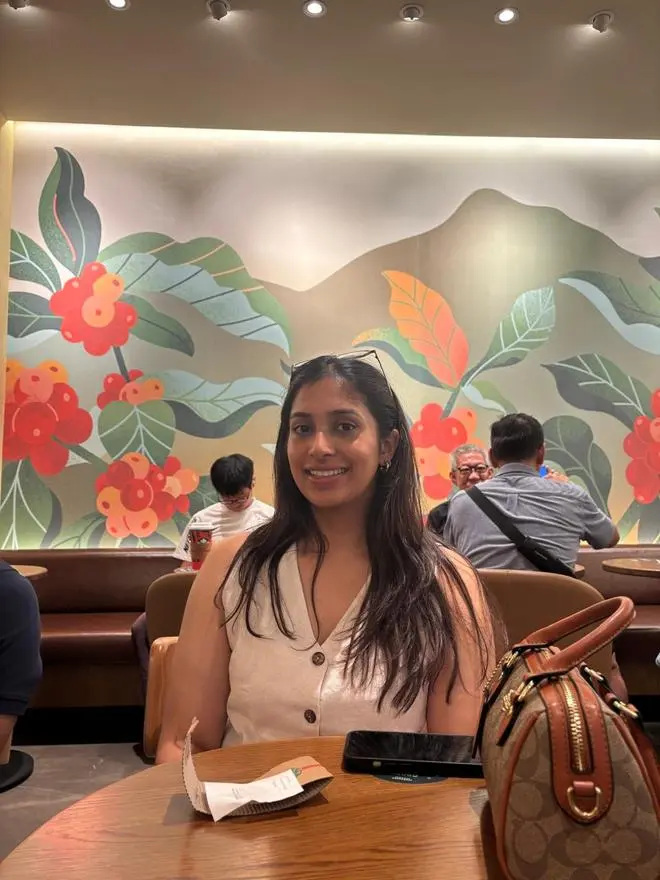
Tell me about your investing journey.
I’ve been inclined to save since childhood. It began with piggy banks and later a money box my father bought from Japan. In Class 11, I learnt about fixed deposits and invested my gift money through my father.
During my first year of college — around Covid — I began exploring investing. I experimented with crypto and stocks while receiving about ₹5,000 a month and invested whatever I could.
At 18, I formally started investing in stocks and crypto. While I incurred losses in crypto, my stock investments have done well. Stocks I bought in 2020 have grown significantly. Even small amounts can compound meaningfully over time — the magic of compounding is real.
Today I invest 60-70 per cent of my salary. Living at home without rent or food expenses allows me to save aggressively. Since I’m young and free of EMIs, I can afford to experiment. My portfolio is roughly 70 per cent equity, 15-20 per cent debt, and 10-15 per cent gold and silver.
Is it physical gold or ETF?
I own some gold coins, but most of my regular gold investments go into ETFs through auto-debits.
How do you keep yourself updated financially?
My father has been my biggest influence. I also read extensively. Books like The Psychology of Money by Morgan Housel and Let’s Talk Money by Monika Halan gave me practical insights into investing.
As a lawyer, I read newspapers daily. I’m also fortunate to have friends interested in financial planning. Observing both good and poor financial decisions has been instructive.
For me, investing is like playing Test cricket — you don’t swing at every ball. You protect your wicket, stay patient and think long term. My aggression lies in high equity allocation, not speculative bets. I largely invest in large-cap stocks.
Any challenges?
The biggest challenge is understanding markets — the more you learn, the more you realise how much there is to know.
Being young is my biggest advantage. Occasionally I divert money for travel or indulgences — I love travelling and sometimes splurge on my dog — but overall I haven’t faced major financial hurdles.
Nivedita Mukerjee, 60, Education advisor and mentor to leadership teams of educational institutions
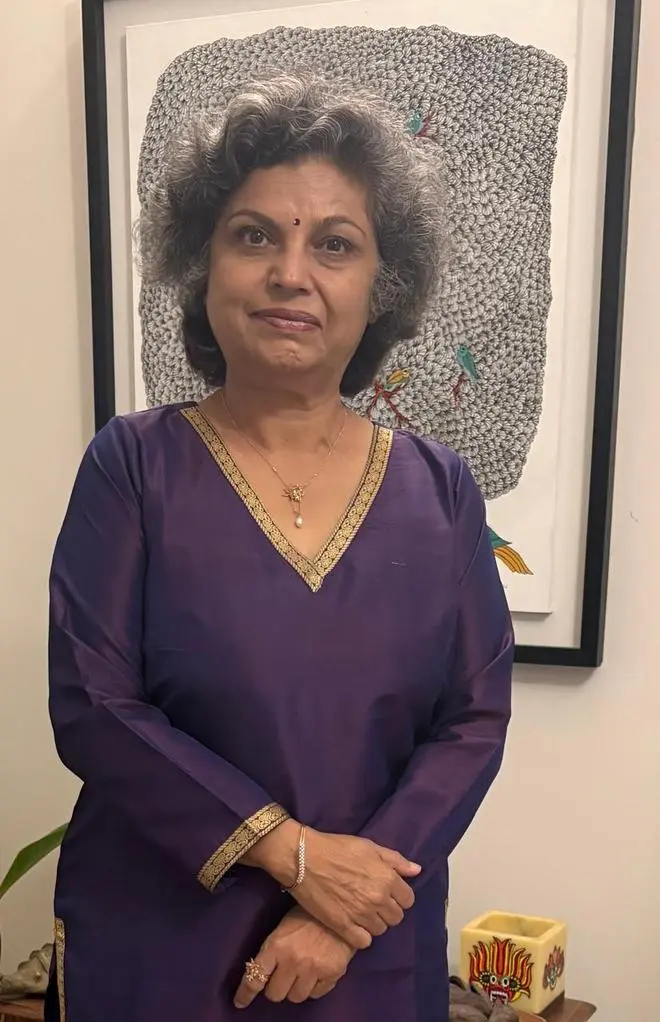
What does financial security mean to you?
Financial security means not having to ask for money or justify how I spend it. It’s less about income levels and more about autonomy. If I must explain my spending choices, I wouldn’t feel financially secure. For me, it’s about independence and dignity.
Your investing journey and challenges?
Initially I invested only in traditional instruments such as LIC, PPF and National Savings Schemes, influenced by my father’s government background. Information wasn’t easily accessible then, and that lack of exposure was a major hurdle.
Although I always saved, I began investing actively much later.
Among teachers I work with, the biggest barrier remains lack of information.
How do you update yourself?
I read extensively — books, articles and financial newspapers. Social media can be useful too, though filtering noise is essential.
Portfolio and risk appetite?
My portfolio began as 80 per cent debt and 20 per cent equity but has gradually moved to a 50:50 allocation. I would describe my risk appetite as moderate.
I own one house for residence and have exited additional real estate investments. Around 7% of my portfolio is in gold.
Parvati Nair, 33, Actor

What does financial security mean to you?
Financial security means freedom and dignity — the ability to make life choices based on what feels right rather than financial necessity.
In cinema, income can be cyclical and unpredictable, so I’ve always believed in creating a strong safety net. Financial security also means being able to support my family, meet responsibilities without stress, and pursue meaningful work without accepting every opportunity purely for money.
Your investing journey?
My investment approach is diversified and long term. I prefer spreading investments across asset classes rather than relying on a single avenue.
My portfolio includes equities (60-70 per cent) for growth, debt instruments for stability, gold as a hedge, and real assets such as real estate for long-term security. The goal is to balance growth with stability while managing risk responsibly.
How do you stay updated?
I make a conscious effort to keep learning by reading about markets and following credible financial platforms.
My husband is financially savvy and a great sounding board, so we often discuss investment decisions and long-term planning. Those conversations, along with my own reading and experience, have strengthened my understanding of investing.
Risk appetite?
I’d describe it as balanced. I’m comfortable taking calculated risks for long-term growth but avoid speculation. Understanding one’s temperament is crucial because markets will always fluctuate.
Challenges?
The unpredictability of the entertainment industry means income can vary, so financial planning must account for that.
Another challenge is the overwhelming volume of financial information today.
Saraswathi Kasturirangan, 56, Chairperson – HR & 3i Expert Committee, Bangalore Chamber of Industry & Commerce
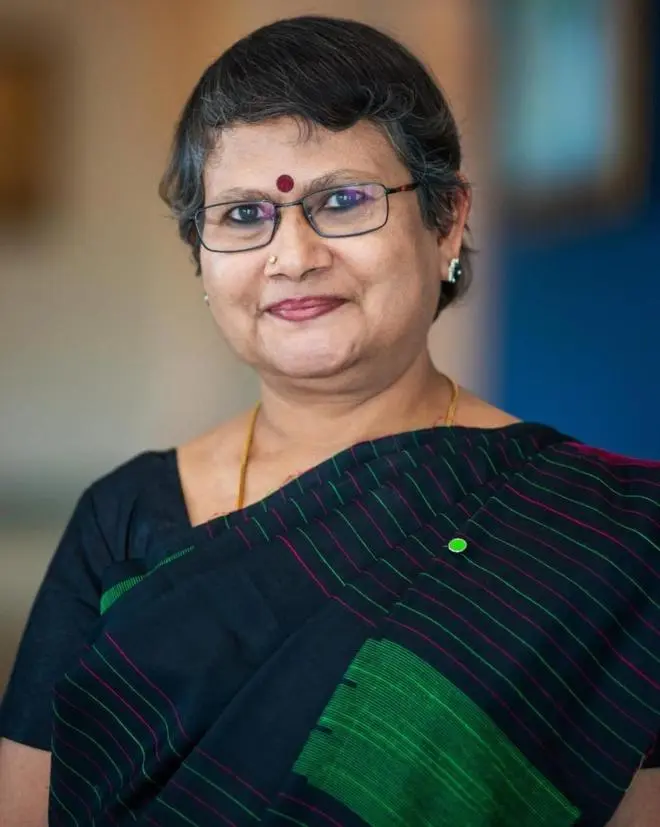
Financial security?
It means having the flexibility to choose how I spend my time — whether in pro bono work, volunteering, travel or gardening — without compromising my lifestyle. It also means having passive income that comfortably covers expenses and contingencies.
Investing rationale?
My priorities have evolved with life stages. Early investments were largely in real assets and jewellery, partly influenced by social norms. I also invested in government schemes such as PF and PPF.
Today my portfolio includes debt instruments, mutual funds, real assets and jewellery.
Financial literacy?
Over time I recognised the importance of diversification and began seeking inputs from wealth advisors. In hindsight, I wish I had done that earlier.
Risk appetite?
Moderate, with investments spread across asset classes.
Challenges?
Early in one’s career, social spending often takes precedence over financial investments. Breaking that pattern requires conscious effort. Insurance costs in younger years also tend to be high, making structured financial planning more challenging.
Usha Iyer, 61, Founder Principal, The Green School Bangalore
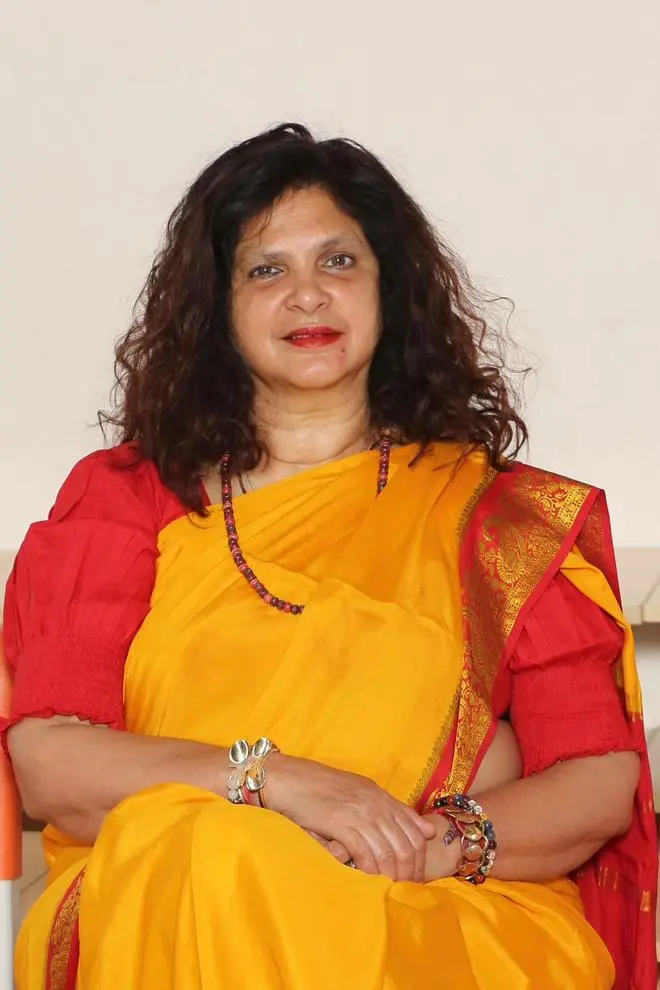
Financial security?
For me, financial security is about dignity, independence and continuity. Financial security meant maintaining stability during uncertainty. Ultimately, it is peace of mind backed by preparation.
Investing rationale?
I follow a diversified strategy:
• Equities for long-term growth
• Debt for stability
• Gold as a hedge
• Real assets for tangible long-term value
Capital preservation is as important as wealth creation.
Financial literacy?
I stay informed by reading financial newspapers, attending seminars and consulting advisors. Women must actively participate in financial decisions.
Risk appetite?
Calculated and measured — risks backed by research and planning.
Challenges?
Taking full financial responsibility after personal loss was challenging. Structure — budgeting, documentation and professional advice — helped me manage that transition.
Uma Pendyala, 50, Head – Business Operations, SecurEyes Techno Services

Financial security?
It means being able to meet essential expenses comfortably while maintaining emergency funds, adequate insurance, retirement savings and responsible debt levels. It creates a predictable and less stressful life.
Investing rationale?
Coming from a lower middle-class background, stability has always been important. My allocation focuses on long-term wealth creation and passive income, with disciplined planning rather than speculation.
Financial literacy?
I treat it as a continuous learning process. I consult advisors but always evaluate recommendations independently. Awareness evolves with life stages.
Risk appetite?
Calculated but cautious. Stability and peace of mind remain priorities.
Challenges?
I started investing later than I would have liked. Early stock market decisions were influenced by quick gains, but experience taught me patience and research. Building trust with a financial advisor was also initially difficult.
Pushpa Murali, 61, Retired banker

Financial security?
Financial security means having minimal financial worries, irrespective of income levels.
Investing rationale?
I aim to maximise returns while minimising risk. My preference is for gold and real assets.
Financial literacy?
As a banker, I regularly receive updates on investment opportunities from my bank.
Risk appetite?
Very low. I prefer low-risk avenues.
Challenges?
I did not face major challenges, largely because I had reliable advisors.
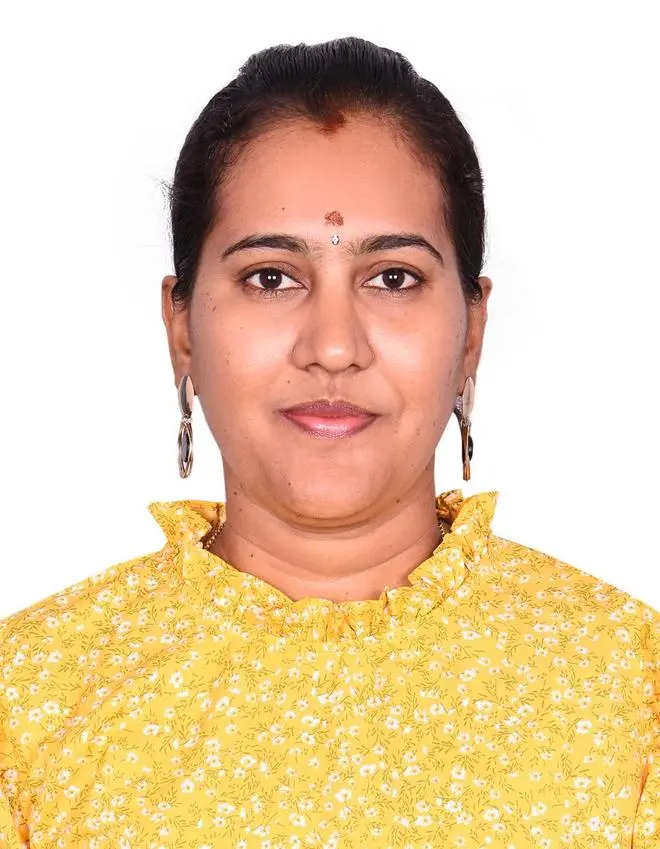
Shobana Raghavendran, 34, Homemaker
Financial security?
It means comfortably meeting household expenses, healthcare needs and children’s education while ensuring secure retirement years.
Investing rationale?
I prefer stable investments such as fixed deposits, recurring deposits, PPF, SSY and real estate. I remain cautious about mutual funds and equities due to market volatility.
I wasn’t very interested in gold earlier, but given the recent surge in prices, I sometimes feel I may have missed out.
Financial literacy?
I attend corporate secretaries’ meetings and read newspapers to understand financial products better.
Risk appetite?
Very low. Most stories I’ve heard about equities are negative, which makes me cautious.
Challenges?
I took a career break after childbirth. Currently my spouse, who works in financial services, handles most investment decisions.
Kathakali Dutta, 23, Media professional

Financial security?
Financial security isn’t about being extremely wealthy but having enough stability and cushion to make long-term decisions without immediate financial pressure.
Investing rationale?
Equities are my primary driver for long-term growth. Debt instruments provide stability and liquidity, while gold acts as a hedge. Real assets are something I evaluate carefully because they require higher capital and have lower liquidity.
Financial literacy?
I stay informed by reading about economic trends, policy developments and market behaviour. Making investment decisions and reflecting on outcomes is also an important learning process.
Risk appetite?
Fairly high but calculated. I avoid impulsive decisions and focus on maintaining a balanced portfolio.
Challenges?
One challenge is navigating the sheer volume of information and opinions about markets. Another is maintaining discipline and a long-term perspective during market fluctuations.
Published on March 7, 2026