



News |
By Brian Tristam Williams
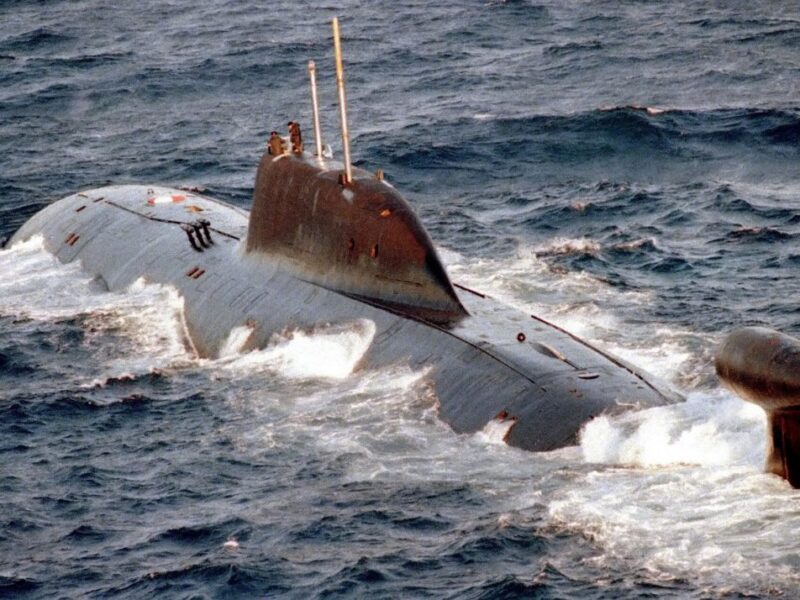
The UK has disclosed a month-long operation in the North Atlantic in which a Royal Navy frigate, RAF P-8 patrol aircraft and allied assets tracked a Russian Akula-class submarine and two special-mission submarines linked to GUGI, Moscow’s Main Directorate for Deep-Sea Research. Defence Secretary John Healey said the boats were operating north of the UK near critical undersea cables and pipelines, and that the mission ended without reported damage to infrastructure. The UK said it worked with Norway and other allies throughout the operation.
According to the UK government’s operational statement, British and allied forces monitored the submarines around the clock for more than a month. Healey said the Akula boat withdrew after being tracked throughout, while the two GUGI submarines were followed in and around wider UK waters before heading north. The UK said RAF aircraft flew more than 450 hours, the frigate covered several thousand nautical miles, and about 500 British personnel were involved.
The official account matters because GUGI platforms are not ordinary fleet submarines. They are associated with specialist seabed and deep-sea tasks, which makes their appearance alongside an Akula boat look less like routine transit and more like a deliberate intelligence and positioning exercise around vulnerable infrastructure. London has not identified the specific cables or pipelines involved, and it said checks with allies were continuing to confirm that no infrastructure had been damaged.
Undersea cable security has moved well beyond telecoms-sector housekeeping. The UK says subsea infrastructure carries 99% of international telecoms and data traffic and supports a large share of energy supply. That puts the issue squarely in the lane of cloud resilience, industrial connectivity and wider economic security. As previously reported by eeNews Europe when the EU Commission committed €347m to submarine cable security, Europe is already putting more money and policy weight behind repair capacity, monitoring and resilience.
The UK disclosure also fits a broader pattern. NATO has already expanded infrastructure-protection efforts in northern waters, while the Joint Expeditionary Force has used its NORDIC WARDEN activity to watch vessels of interest and tighten coordination around vulnerable undersea assets. For electronics and telecoms industries, the story is not only geopolitical. It is a reminder that fibre backbones, landing infrastructure, surveillance systems and repair logistics are becoming more strategic, more instrumented and more politically exposed.
For now, the main factual takeaway is simple enough: the UK says it detected and deterred a Russian undersea operation near critical infrastructure, and it chose to publicise the incident as a warning rather than treat it as a purely quiet naval matter. That makes undersea cable security both a defence issue and a technology infrastructure story.
 If you enjoyed this article, you will like the following ones: don't miss them by subscribing to :
此内容由惯性聚合(RSS阅读器)自动聚合整理,仅供阅读参考。 原文来自 — 版权归原作者所有。