


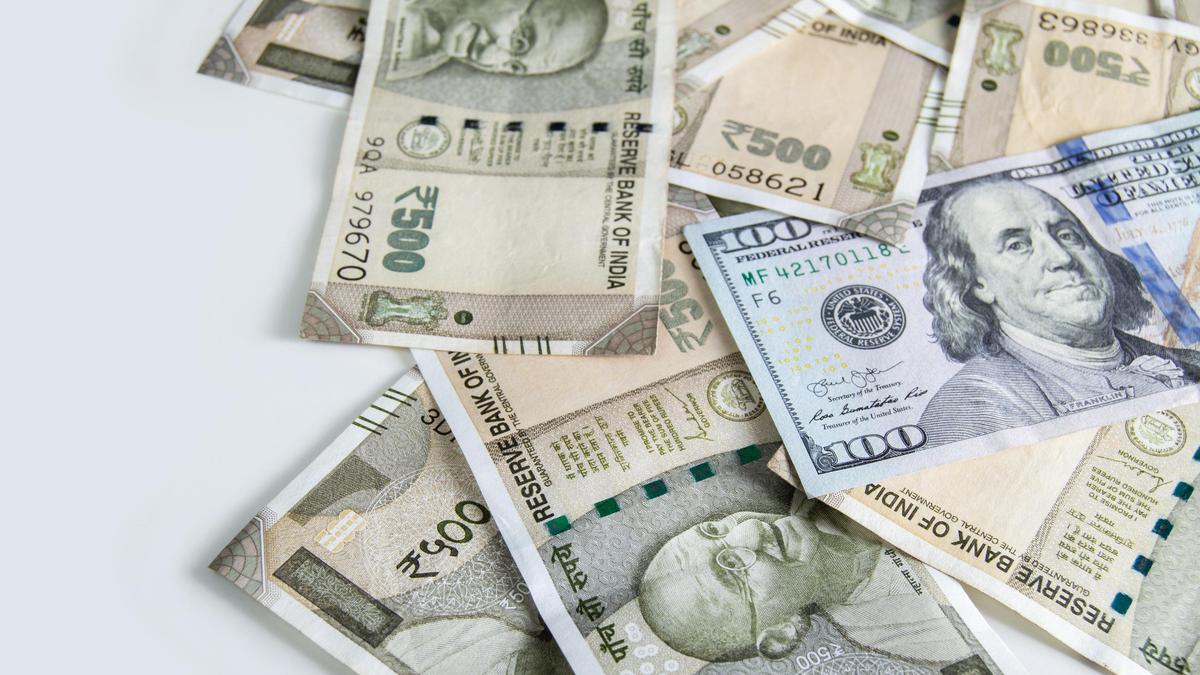
High level committees have given valuable suggestions to ward off economic crises but precious little has been done on the policy front | Photo Credit: desifoto
Prime Minister Narendra Modi has talked about the ‘return of mass poverty’ and a ‘decade of disasters’. He was talking to Indians in the Netherlands two days ago. Earlier in India he had asked Indians to spend less on imports of oil and gold.
And I thought to myself here we are again, folks, into our periodic economic rahu kalam when our prime ministers tell us to be patriotic and buy less from foreigners.
1955. 1965. 1974. 1980. 1991. 1998. 2012. 2020. And now 2026. That’s nine times in 70 years.
On each occasion it’s the shortage of the dollars which are needed to bridge the domestic supply gap. It used to be food until 1972. It’s been fuel since 1980. China is also short of both. But has managed far better than we have.
So there are two questions worth asking: why do we have this domestic supply gap and why aren’t we able to overcome the dollar deficit. Decade after decade?
Our domestic supply gap was mainly in agriculture. Then we started fixing that problem and by 1980 no one even noticed the massive drought of 1979. The food shortages were solved by the self-reliance that the green revolution initiated.
Then the fuel shortages started. And we haven’t been able to fix the problem even after 45 years. We need dollars to buy it and we don’t have enough of those. Why not? Because we don’t export enough.
One could answer by saying that our energy dependence is the problem because our energy base is all wrong in that we have been avoiding coal when we have an abundance of it. Instead we have moved towards the other hydrocarbons, oil and gas. Reason: coal is dirtier than oil and gas.
Another answer, which our governments hate to hear, is that for over 60 years they have managed to make a dog’s breakfast of industrialisation. This means we import a lot of industrial goods instead of exporting them. So we don’t earn enough dollars.
So every time we become desperate, the government tells us to spend fewer dollars. 1955. 1965. 1974. 1980. 1991. 1998. 2012. 2020. And now 2026. It’s the same absurd story.
Sensible in the current context each time and absurd in the totality. Our governments simply don’t seem to be able or willing to solve the problem. And, as soon as the crisis is over we get distracted and start thinking it will not happen again.
But it does. 1955. 1965. 1974. 1980. 1991. 1998. 2012. 2020. And now 2026. And our response after each episode is over is to dance in the streets claiming victory. I have seen several generations of economists weep in frustration.
Not that the governments haven’t tried. There have been at least a dozen high level committees to give suggestions. Absolutely nothing has come out that can be described as a success. Why?
And who should we blame, the politicians, the bureaucrats, the industrialists, Jawaharlal Nehru, PC Mahalanobis, the trade unions, the judiciary, who? All of them and none of them because when everyone is complicit, no one is complicit.
Countries that succeed in achieving high rates of economic growth over several decades fail spectacularly in having democratic practices. The moment they become democratic, their growth rate starts to falter.
When Walter Rostow wrote his famous book on the stages of economic growth in 1960 he didn’t give any weight to the political arrangements in a country. That has made people forget that politics matters in determining economic outcomes and that electoral politics matters even more.
This does not mean that all undemocratic countries achieve high rates of growth. But it does mean that the more democracy you have the more likely you are to be stuck in a low and highly variable growth boat.
There are no exceptions. You can either have a rights focused economy or a duties focused one. The former generally has lower rates of growth than the latter.
Be that as it may, we are, and will continue to be, a rights focused economy. So given this, the question is how do we avoid the mistakes of the last 70 years?
The answers have been known for at least four decades. We have paid heed to some of them but the majority have been ignored or discarded or half implemented. The result is a gigantic mess.
There is an illusion that we can sort out this mess. But as long as we simultaneously pursue dozens of objectives giving each equal weight, we will be chasing our own tails: a lot of activity and not enough to show for it.
Yes, it’s been a decade of disasters so far with perhaps more to come. But these wouldn’t have been harbingers of mass poverty had we got our mindset and policies right.
Published on May 18, 2026
此内容由惯性聚合(RSS阅读器)自动聚合整理,仅供阅读参考。 原文来自 — 版权归原作者所有。