





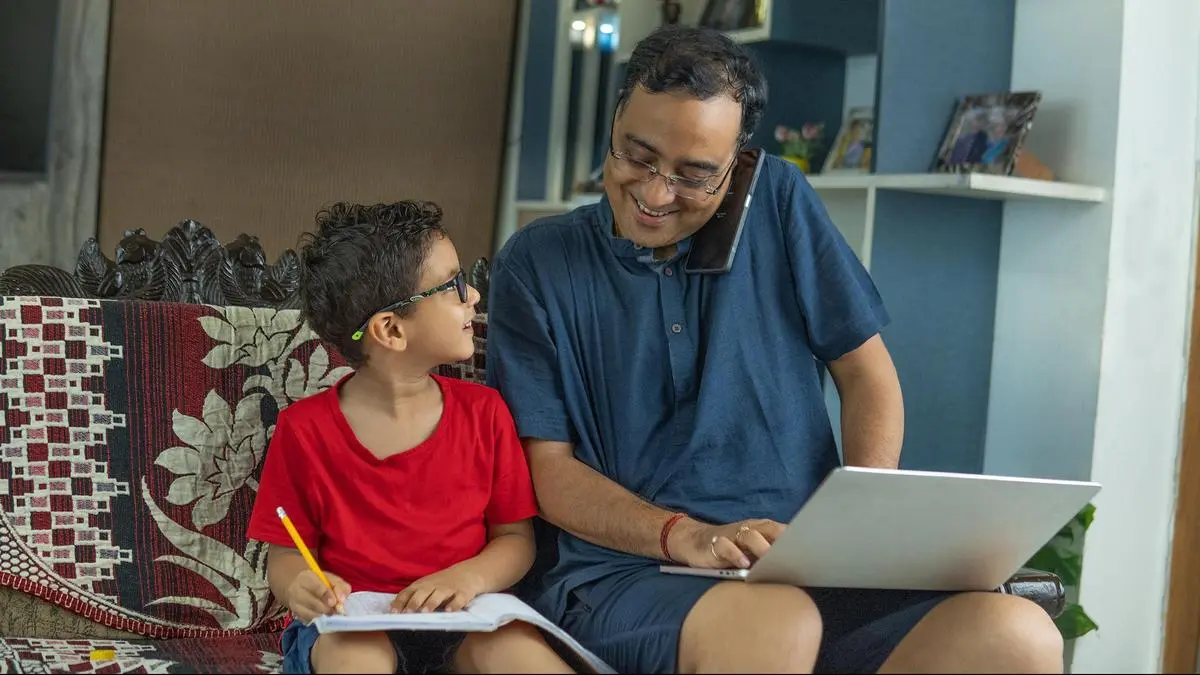
Flexible working has become the decisive factor in hiring tech talent | Photo Credit: triloks
Strategy consulting firm Redseer’s new report ‘AI and the future of flexible workspaces’ describes how AI adoption is beginning to reshape enterprise workplace strategies in India. It estimates that the knowledge-economy office stock could see an incremental addition of 79 million sq ft between CY2025 and CY2030. A significant share of this demand is expected to flow toward managed and flexible workspace formats. Nearly 82 per cent of the enterprises surveyed plan to increase flex workspace adoption, while AI-led hiring is seen to contribute 31 per cent of flex seat leasing demand by 2030. India’s AI job postings grew 6x since CY2019.
Flexible working has become the decisive factor in competing for leading tech talent, says new research from the International Workplace Group, which has brands like Regus and Spaces. Nearly 72 per cent of business leaders say hybrid or flexible working is vital to attract tech talent, rising to 79 per cent among millennial and 80 per cent among Gen Z leaders. Hybrid working (37 per cent) is the strategy most used to compete for tech talent, ahead of competitive pay (35 per cent). About 23 per cent of firms are appointing tech professionals under 30 in leadership roles, rising to 45 per cent in Gen Z-led businesses.
Published on May 25, 2026
此内容由惯性聚合(RSS阅读器)自动聚合整理,仅供阅读参考。 原文来自 — 版权归原作者所有。