




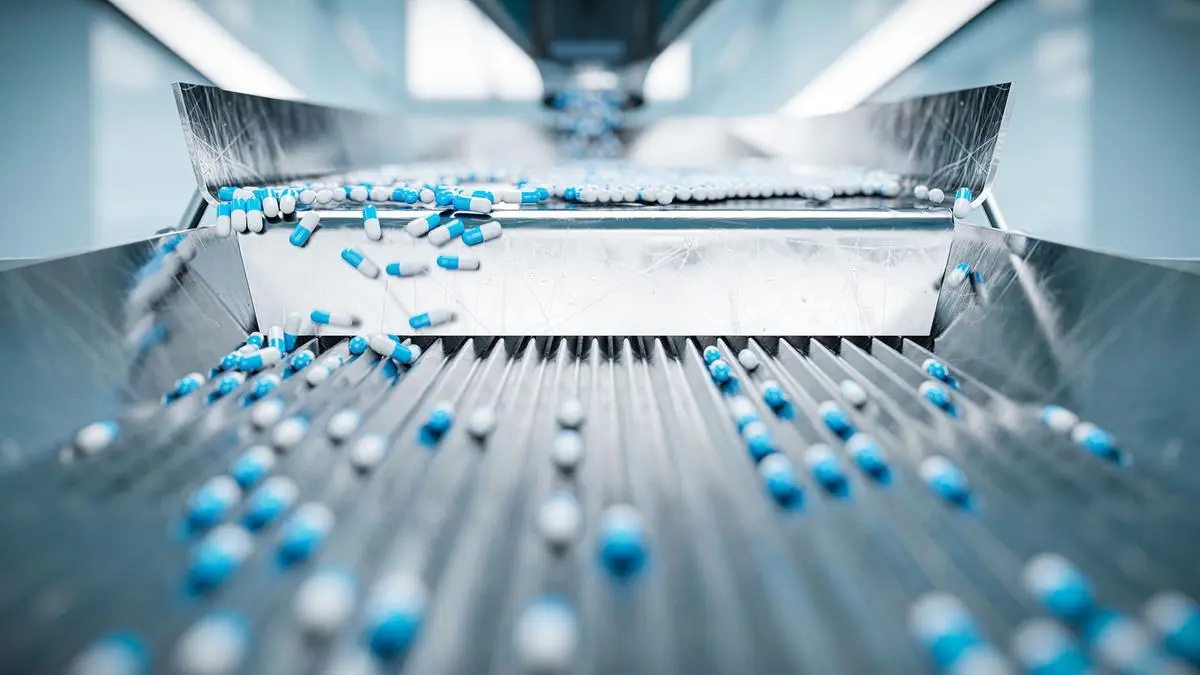
FLOW CONTROL. The global IP system’s grip on pharma supply | Photo Credit: guteksk7
Billions of people around the world, including in India, lack the ability to access affordable medicines. Nearly one in three Americans struggles to afford prescription drugs. Drug companies delay launching new products in Europe because of the region’s policies to rein in drug prices. The fallout of the Covid pandemic and rising living costs have placed the pharmaceutical medicine system under unprecedented scrutiny as prescription drug prices reach new heights. However, the debates on the causes and policy solutions often miss the system of “rules” that created the current conditions — and the need to break free from them.
The recently published book Pharma Monopoly: The battle for the future of medicines, which I co-authored with Rohit Malpani, unpacks how the political economic ideology of neoliberalism and the western pharmaceutical industry used the concepts of “free markets”, “competition”, and “innovation” to create the ruse of a “rules-based” order to globalise trade and the intellectual property (IP) system under the World Trade Organization’s (WTO) Trade-Related Aspects of Intellectual Property Rights (TRIPS) agreement.
Over the last few decades the global IP system has given pharmaceutical giants their own private empire. As a consequence, global health solutions and philanthropic efforts prefer to manage these IP rights by seeking permissions from the industry to access medicines rather than addressing the systemic injustices and structural failures.
India was one of the Global South countries at the forefront of resisting the “rules-based” TRIPS order to preserve its status of “pharmacy of the poor”. It further showed leadership by implementing provisions like Section 3 (d) in its amended Patent Law (2005) to counter the western pharmaceutical industry’s practice of evergreening patent protection to extend its monopoly. It was also a co-sponsor with South Africa to waive IP rights under the TRIPS agreement during the Covid pandemic. Despite these efforts, its policies over the last two decades have become more aligned with the neoliberal ideology it once fought. Now, many generic companies in India have become compliant with the terms of the “voluntary” patent licences dictated by the pharmaceutical companies, rather than upsetting the Global North and commercial relationships.
As the US, the main vessel for promoting neoliberalism over the last 50 years to maintain its economic and political hegemony, now moves away from globalisation, the power-based order is no longer hiding behind the ruse of a rules-based order. In this moment of geopolitical unravelling, countries — especially those in the Global South — are re-assessing their positions and seeking new alliances.
Despite the uncertainties that lie ahead, this is an opportunity for countries, including India, to create a trade system that harkens back to the one imagined under the New International Economic Order in the 1970s — which had economic justice at its heart.
Ultimately, patients, communities, civil society, and governments must stop expecting the pharmaceutical industry and those who hold power to reform themselves and instead forge a new path and vision. We must resist the temptation of chasing incremental wins that take us farther away from systemic change that serves the public good. Instead, we must embrace and sustain the long fight for a better future, where everyone will have the right to access medicines.
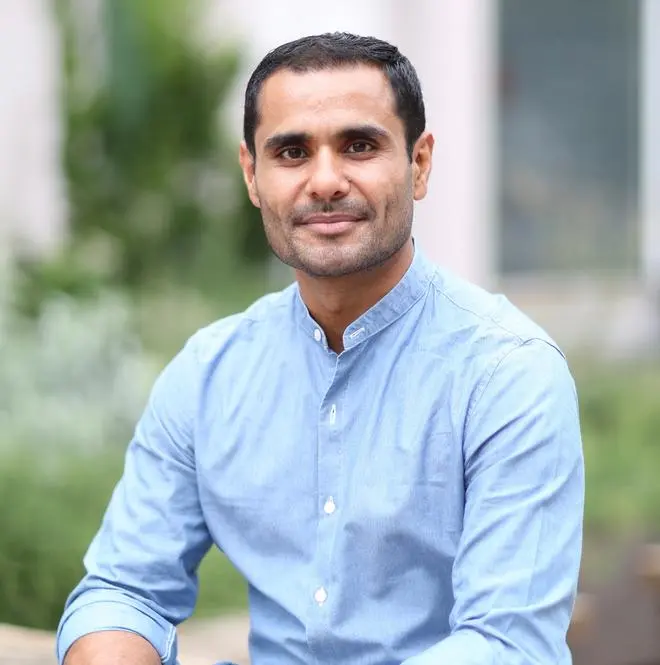
Tahir Amin, Co-Founder and CEO, Initiative for Medicines, Access & Knowledge
(The writer is Co-Founder and CEO, Initiative for Medicines, Access & Knowledge. Views are personal)
Published on May 4, 2026
此内容由惯性聚合(RSS阅读器)自动聚合整理,仅供阅读参考。 原文来自 — 版权归原作者所有。