







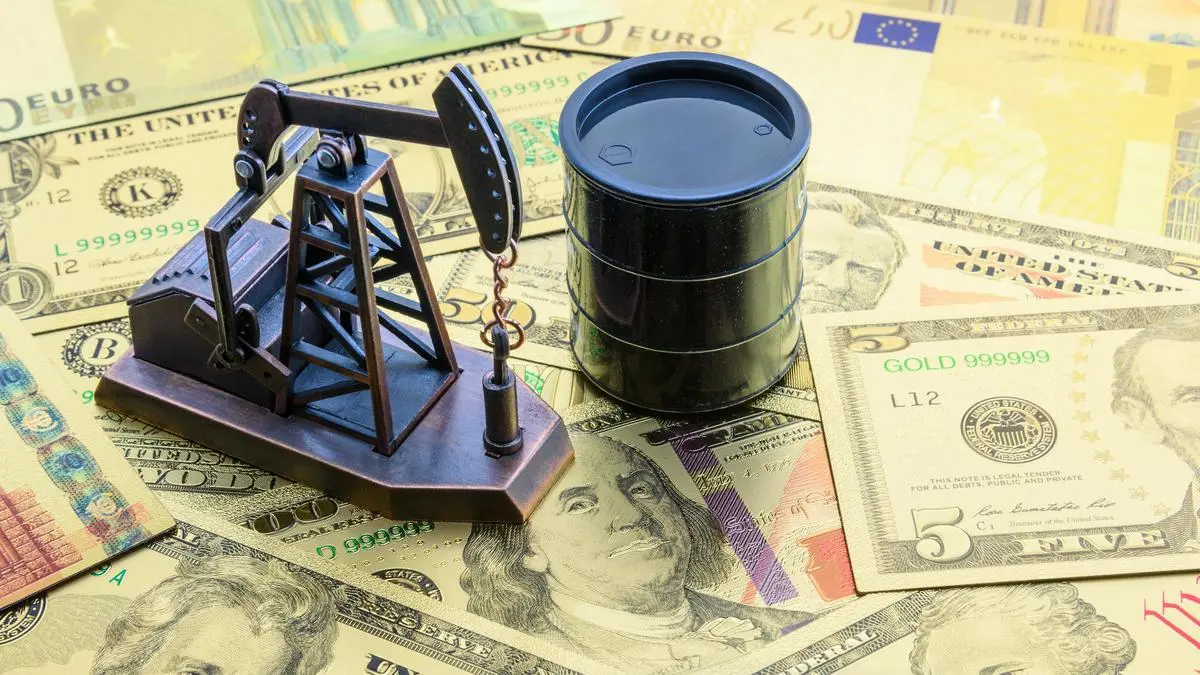
India’s appetite for petrochemicals has been rapidly growing | Photo Credit: William_Potter
The Iran war has derailed output and pushed up costs in industries such as plastics, synthetic textiles, packaging, chemicals and pharmaceuticals. In a timely move, the government has temporarily exempted customs duty, till June 30, for 40 crucial petrochemicals inputs, including methanol, polyvinyl chloride (PVC), monoethylene glycol (MEG), ammonium nitrate, linear alkylbenzene, anhydrous ammonia, polypropylene, polystyrene, poly butadiene and styrene butadiene. A 5-10 per cent import duty is levied on these polymers.
Even as supplies remain scarce, costs could reduce — notwithstanding price increases of 35-60 per cent in polymers since the war began. For manmade fibres, which account for about 45 per cent of textiles output, the move could protect livelihoods. The same holds true for construction and pharma. However, the crisis lays bare structural issues in the domestic petrochemicals sector. From the supply side, India hosts only a handful of domestic petrochemical players. Any price increase undertaken by one company is quickly reflected across the industry, squeezing the margins of buyer (or downstream) industries. These sectors are fragmented, comprising predominantly micro, small and medium-size enterprises (MSMEs). As a result, the petrochem majors have asymmetric pricing power. The PVC segment, which directly impacts water security, and the polypropylene-based packaging industry that services users from fertilizers to rice and cement, are only two that are hit hard by the disruption.
Meanwhile, India’s appetite for petrochemicals has been rapidly growing, in line with global trends. This has contributed to fragility in supply chains. For instance, in order to cater to export markets, there has been a move away from cotton textiles to man-made fibres. The textiles sector is almost entirely dependent on West Asia for the supply of MEG. Prices surged about $200 per tonne to $800, even as some textile segments have seen production cuts of up to 40 per cent since the war began. If traffic on the Strait of Hormuz remains thin, and talks over the ceasefire remain deadlocked, the petrochemicals outlook may not improve in the near future. The other alternative of using the Red Sea route will inflate costs.
In this scenario, the government will have to balance the concerns of upstream and downstream industries. Although supply is scarce at present, the duty waiver cannot continue indefinitely. This is because the upstream sector is wary of petrochemicals dumping by China, whose overcapacity has kept prices depressed. In fact, there have been demands for anti-dumping duties from petrochemical producers in the recent past. India needs to develop indigenous capacities in petrochemical products, and therefore some level of tariff protection is needed. This will expand the number of domestic producers and spur competition. The challenge, however, is that capacities currently under development — by GAIL, IOC and HPCL — are between one and three years away from commissioning. The government should nudge them to expedite the process.
Published on April 12, 2026
此内容由惯性聚合(RSS阅读器)自动聚合整理,仅供阅读参考。 原文来自 — 版权归原作者所有。