








BIOMOLECULE CARGO. Light-driven graphene platform enables efficient intracellular delivery
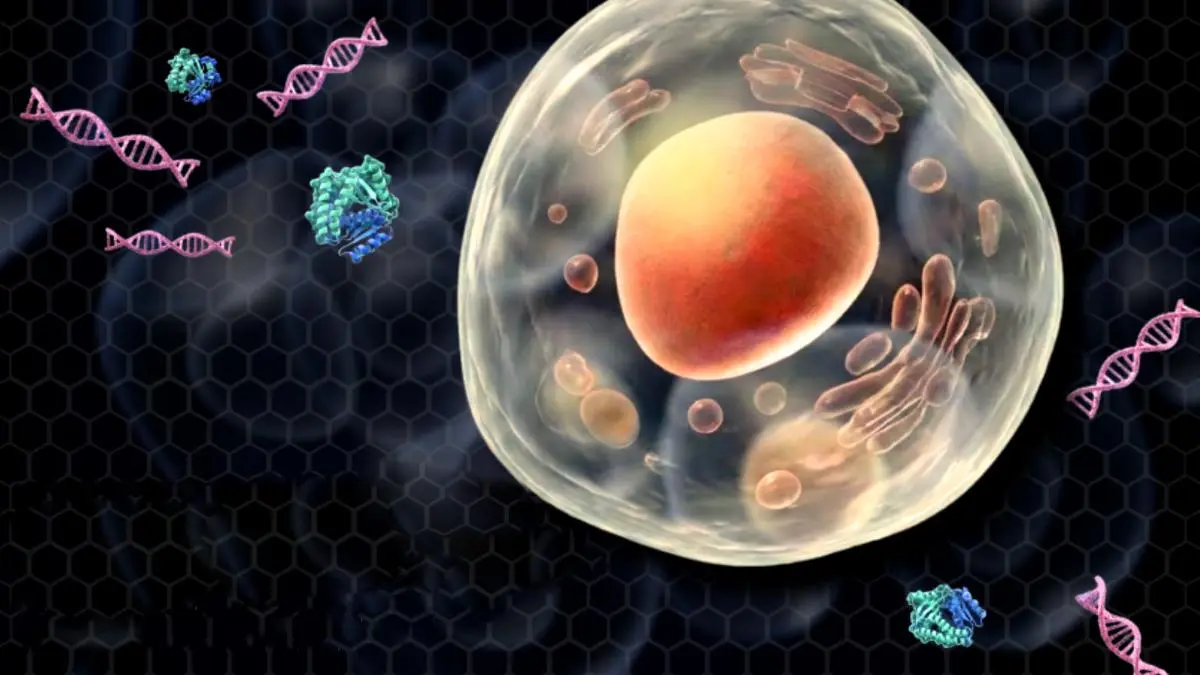
Scientists have developed a new technique to deliver biomolecules such as DNA, RNA and proteins into living cells more safely and efficiently — using light. This promises to advance cancer treatment, drug testing and gene therapy.
Getting materials into cells is crucial for studying diseases and developing therapies. Current methods use viruses (as trucks to ferry stuff inside), chemicals or physical techniques.
Viral methods can trigger immune reactions, while chemical methods may damage cells.
Physical methods, though less efficient, are generally preferred. Broadly, there are many ways to punch temporary holes in cell walls to enable the desired materials to slink in — mechanical, electrical, using sound waves or using light.
Researchers say ‘mechanoportation’ is low in efficiency, laborious and requires skills. Electrical and sound waves can cause irreversible damage to cells, so while solving one problem they create another.
Therefore, scientists are turning to light to “transfect” cells, a method called photoportation.
Here, lasers are used to create tiny, temporary openings in cell walls through which the desired biomolecules can enter the cell, before the wall slams shut again.
For this to work, you need ‘photosensitisers’ — materials that become hot when light hits them. The heat punches the holes in the cell walls.
Typically, gold or carbon nano particles are the photosensitising materials that come to mind for this process.
But the problem here is that nano materials will enter the cells and cause harm (cytotoxicity).
Now, researchers at IIT-Madras, Christian Medical College in Vellore and Toyohashi University of Technology in Japan have used a material called reduced graphene oxide (rGO), instead of commonly used nanoparticles. This material is cheaper, more stable and biocompatible.
Further, it can absorb a wide range of light — nano particles, on the other hand, absorb only certain parts (wavelengths) of light.
Using a laser-based system, “the team created a micro-patterned device that enables fast and controlled delivery of biomolecules into different types of cells, including human stem cells”, according to an IIT-Madras statement.
The method can treat up to a million cells within seconds, while maintaining high cell survival rates.
The platform successfully delivered a range of materials, including genetic molecules and enzymes, into cells.
The researchers — Srabani Kar, Tuhin Subhra Santra and Donia Dominic from IIT-Madras, Rajdeep Ojha from CMC and Moeto Nagai from Toyohashi University — say the technology could be useful in gene therapy, drug testing and regenerative medicine.
Prof Hwan You Chang, Emeritus Professor at the Institute of Molecular Medicine, National Tsing Hua University in Hsin Chu, Taiwan, noted that the work “addresses a critical bottleneck in cell biology and therapeutics: The need for a delivery method that is simultaneously high-throughput, efficient and compatible with a wide range of cargo types and cell lines”.
He told IIT-Madras that the scientists have devised “an elegant platform” that achieves these objectives while offering the additional advantage of avoiding undesired interference from the photosensitisers.
“I anticipate that commercialisation of this system would greatly benefit the broader cell biology community,” Chang said.
Published on May 4, 2026
此内容由惯性聚合(RSS阅读器)自动聚合整理,仅供阅读参考。 原文来自 — 版权归原作者所有。