


Serving tech enthusiasts for over 25 years.
TechSpot means tech analysis and advice you can trust.
A hot potato: A court in China has reached a ruling that would likely be welcomed by many people in the rest of the world: that companies cannot legally lay off workers or even cut their salaries just because an AI can replace them.
We see a lot of stories about US tech giants laying off employees because AI systems are replacing them. As was the case with Meta, Amazon, and Block, these cuts are usually framed as ways to streamline businesses and embrace new technologies – even when they're not – which tends to give the firms' share prices a boost.
However, the Hangzhou Intermediate People's Court has ruled that a company illegally fired a worker after he refused to take a demotion after an AI took his job.
The worker, identified only as Zhou, was hired in November 2022 as a quality assurance supervisor with a monthly compensation of 25,000 yuan ($3,655). Somewhat ironically, his job was to monitor output by AI models to identify and filter any illegal and copyright-infringing material.
But Zhou's position was eventually automated by an AI system. His company therefore decided to demote him to a lower-level position with a reduced wage of 15,000 yuan ($2,193).
Zhou understandably refused to change jobs, so he was fired – a decision blamed on organizational restructuring and reduced staffing needs. He was offered 311,695 yuan ($45,650) in severance pay.
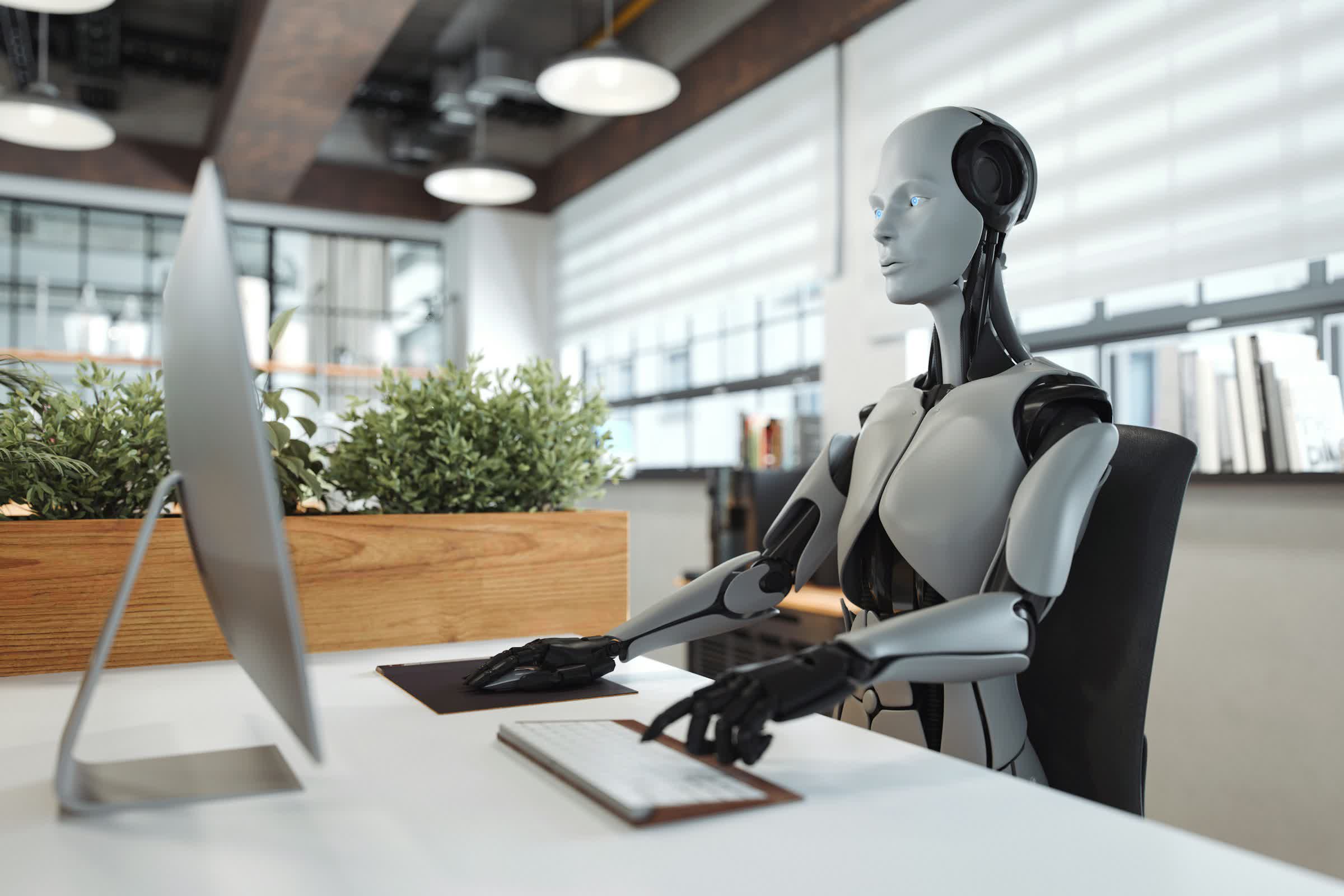
Zhou refused to accept the deal and took his former employer to an arbitration panel, which ruled his dismissal unlawful. The company then sued in district court and appealed to the Hangzhou Intermediate People's Court. Both courts found that AI was not a legal excuse to get rid of staff.
"The termination grounds cited by the company did not fall under negative circumstances such as business downsizing or operational difficulties, nor did they meet the legal condition that made it 'impossible to continue the employment contract,'" the court said.
The question was whether replacing Zhou counted as a "major change in objective circumstances" under China's Labor Contract Law. The court found it did not. AI automation is a voluntary business decision, not an unforeseeable event that makes a contract impossible to continue.
The court also said the offered position was not a reasonable reassignment, something Zhou probably noticed when his new salary came with a 40% cut.
This doesn't mean Chinese companies can never restructure around AI. But employers must negotiate, train workers, and make reasonable reassignment offers instead of simply pointing to a chatbot and heading straight for layoffs.
The ruling echoes a December case in Beijing involving a map data collector whose job was automated. That court also found that AI adoption was a business choice, not a natural disaster or sudden policy change.
Whether courts elsewhere in the world follow China's line remains to be seen. But the message to AI-happy employers in the country is clear: new technology is no magic "fire everyone with no consequences" card.
此内容由惯性聚合(RSS阅读器)自动聚合整理,仅供阅读参考。 原文来自 — 版权归原作者所有。