
惯性聚合 高效追踪和阅读你感兴趣的博客、新闻、科技资讯
阅读原文 在惯性聚合中打开

推荐订阅源

罗磊的独立博客
Google DeepMind News
MyScale Blog
MyScale Blog
A
About on SuperTechFans
Martin Fowler
Martin Fowler
M
MIT News - Artificial intelligence
Recent Announcements
D
DataBreaches.Net
B
Blog
博客园 - 【当耐特】
爱范儿
爱范儿
有赞技术团队
有赞技术团队
P
Proofpoint News Feed
WordPress大学
WordPress大学
小众软件
小众软件
Apple Machine Learning Research
I
InfoQ
Engineering at Meta
Engineering at Meta
Cyber Security Advisories - MS-ISAC
Last Week in AI
Last Week in AI
Microsoft Azure Blog
雷峰网
雷峰网
量子位
G
Google Developers Blog

TechSpot

Flagship Rematch: Ryzen 7 5800X3D vs. Core i9-12900K Slack chats and internal data from failed startups are finding a second life in AI training A $5 Bluetooth tracker hidden in a postcard exposed a warship's movements Leakers claim PlayStation 6 could offer at least 3x the performance of the PS5 The Mac Mini is no longer a niche product, it's local AI infrastructure IPv6 traffic reaches parity with IPv4 for the first time, Google data shows Xbox expansion cards are now cheaper than SSDs, and PC users are repurposing them Blue Origin prepares to reuse New Glenn booster in bid to challenge SpaceX Nvidia could bring back the 12GB RTX 3060 as supply issues disrupt GPU roadmap What was the first OS you ever used? SNK revives NeoGeo AES with modern upgrades and HDMI support Valve's Proton 11 beta boosts Linux gaming with better performance and classic game support Researchers warn Microsoft Defender vulnerability is already being exploited A four-day Steam freebie turned into $250,000 for an indie game AMD may relaunch Ryzen 7 5800X3D for AM4's 10th anniversary This humanoid robot can almost run as fast as a human sprinter Two New Jersey men jailed for helping North Korean IT workers infiltrate 100+ companies A $7,000 DIY radar project is taking on hardware that usually costs over $100,000 Metro 2039 is going darker than ever, launching this winter on PC and consoles Gemini arrives on macOS with a dedicated desktop app AI infrastructure boom pushes AMD, Intel and Arm to new valuation heights New self-healing material can repair itself over 1,000 times, extend the lifespan of cars and aircraft Japan's bullet train to debut high-tech private cabins, for an added fee Memory card and flash drive pricing surges 120%, with some models spiking 260% Open-source tool decrypts all private data collected by Windows Recall on Copilot PCs The 2026 PC and Console Gaming Report shows most revenue now comes from games outside the Top 20 PureMac is a new open-source macOS cleanup and app removal tool Your Airbnb host might actually be AI Steam might soon display 30-day price history for game deals Intel brings 18A process to budget laptops with new Core Series 3 CPUs
Happy Birthday, Intel 8086: World's first x86 processor d...
Kishalaya Kundu · 2026-06-09 · via TechSpot

Serving tech enthusiasts for over 25 years. TechSpot means tech analysis and advice you can trust.

A legend was born Intel introduced the iconic 8086 microprocessor on June 8, 1978, laying the groundwork for a revolution in personal computing that would unfold over the following decades. The 8086 was not only Intel's first 16-bit CPU, but also the world's first chip based on the x86 architecture – the same foundation that still underpins the majority of personal computers nearly five decades later.

Curiously, the Intel 8086 was conceived as a stopgap while the more technologically ambitious 32-bit iAPX 432 struggled with repeated delays. Developed in just 18 months, it was still capable of supporting far more demanding applications than its predecessors, and was notably the first Intel chip to contain microcode.
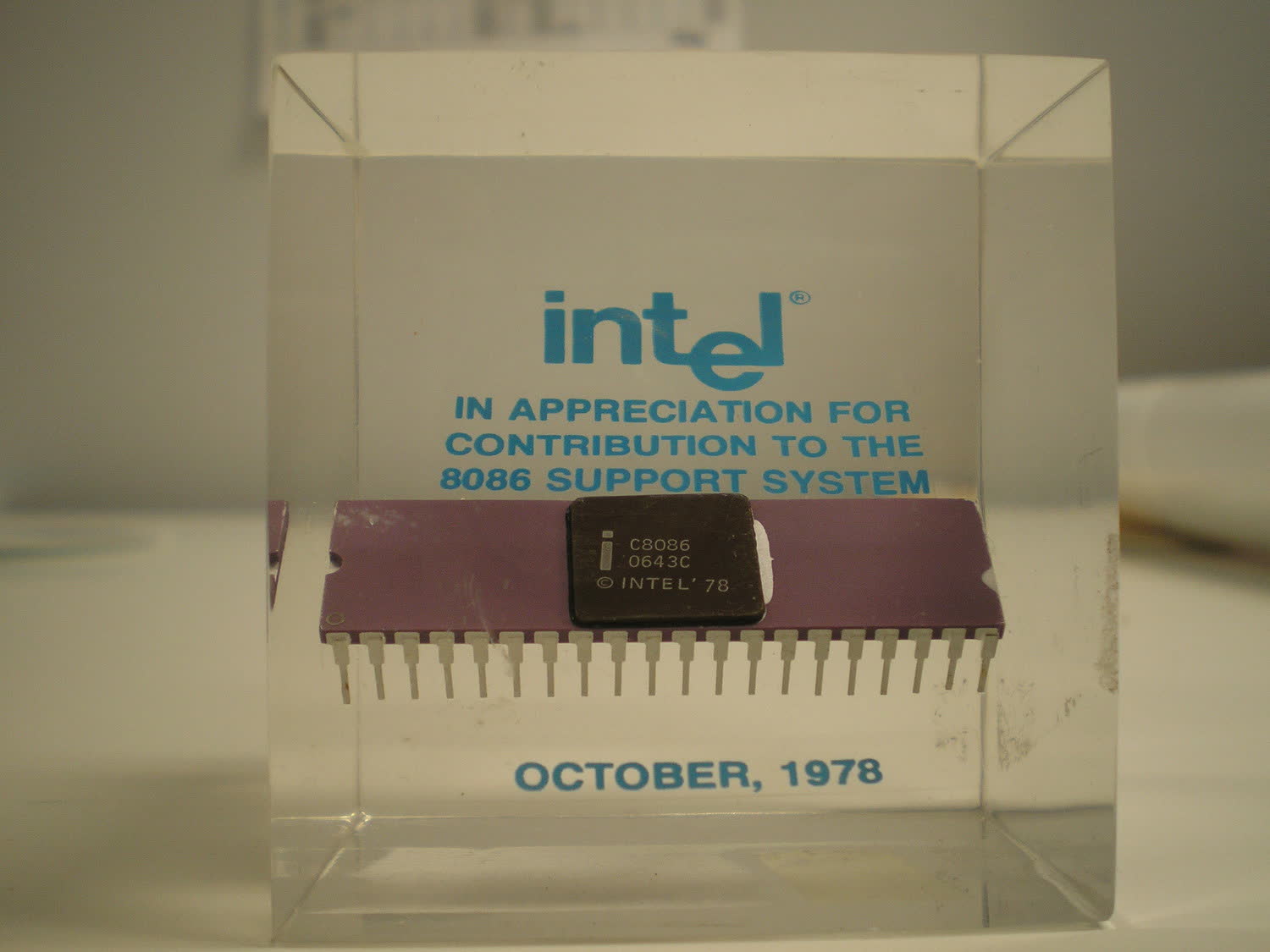
The biggest leap, however, was architectural. The x86 instruction set defined by the 8086 still underpins modern Intel and AMD processors today. The chip packed around 20,000 transistors (29,277 including ROM and PLA), featured a 40-pin package, measured 33 sq mm, and could address up to 1MB of physical memory – accessed via four 64 KB segments through dedicated segment registers.

The 8086 was manufactured using Intel's HMOS process and was sold in multiple variants, clocked between 5 and 10 MHz. Despite the new architecture, it was backwards compatible with older Intel 8-bit chips, such as the 8008, 8080, and 8085. The 8086 spawned many successors, such as the 80286, 80386, and 80486, which powered personal computers well into the 1990s.
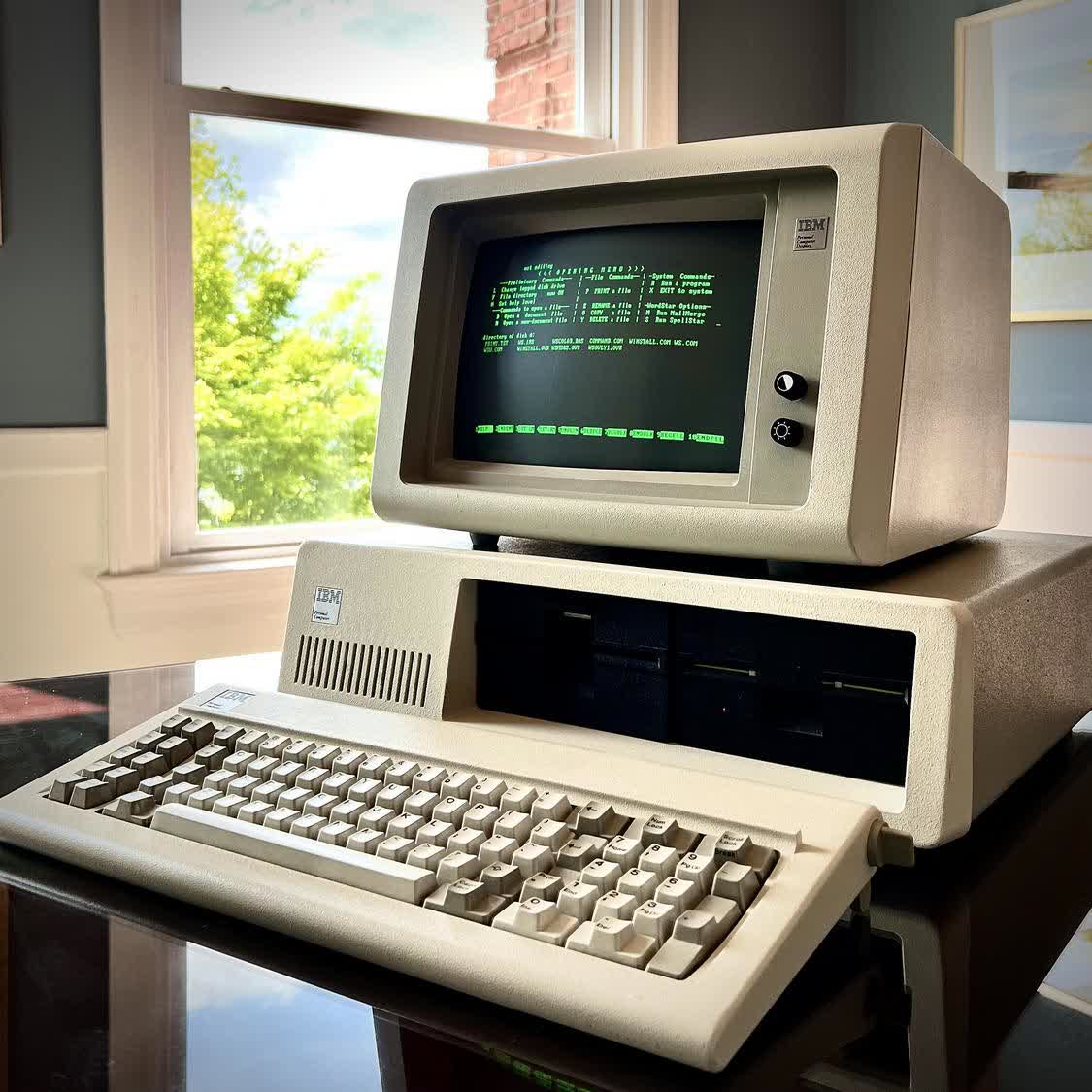
Image credit: Retroviator

The Intel 8086 was designed by a team of four engineers and 12 layout specialists, led by chief architect Stephen P. Morse, who defined the chip's instruction set architecture and register structure. Other notable figures involved in the chip's development were project manager Bill Pohlman, lead hardware engineer Jim McKevitt, and co-lead hardware engineer John Bayliss.

The most notable commercial device to be powered by the first wave of x86 chips was the original 1981 IBM PC, known officially as Model 5150. However, instead of the 8086, it featured the Intel 8088 microprocessor and proved to be such a major technological milestone that Time magazine set aside its Person of the Year award in 1982 and declared it Machine of the Year instead.
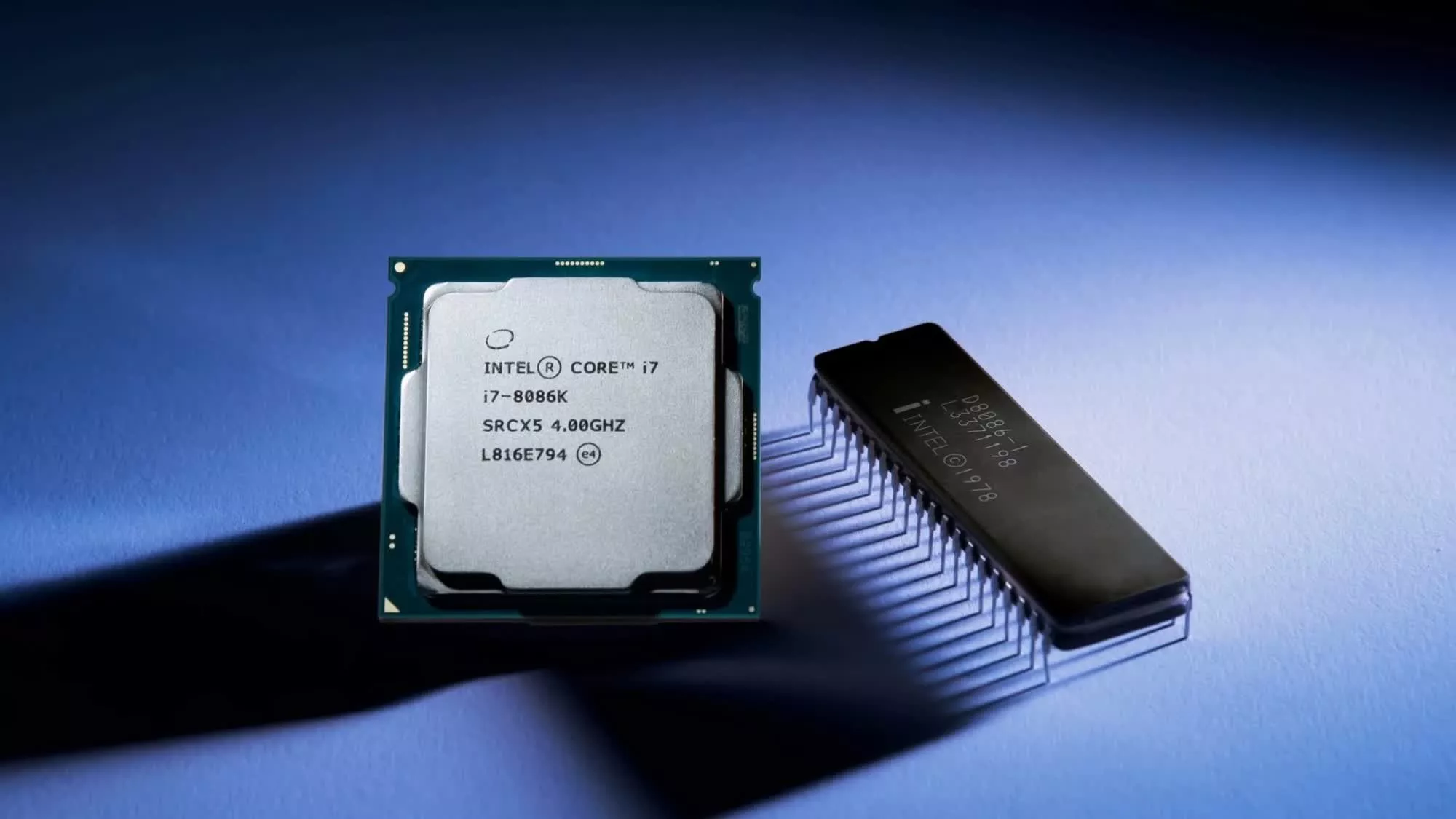
Intel celebrated 40 years of the 8086 in 2018 by launching the limited-edition Core i7-8086K – a 64-bit processor featuring 6 CPU cores, 12 threads, and an integrated graphics chip. It had a turbo frequency of up to 5.0 GHz, featured an unlocked multiplier, and utilized the LGA 1151 (Rev 2.0) socket.