


Serving tech enthusiasts for over 25 years. TechSpot means tech analysis and advice you can trust.
Fake BS: Prediction markets such as Polymarket and Kalshi have exploded in popularity, even as both platforms contend with regulatory pressure and fraud allegations. While Kalshi means to dodge comparisons to illegal sports betting, Polymarket now faces accusations that it paid a network of social media creators to stage fake winning bets on camera.
The Wall Street Journal reports that Polymarket paid at least 10 influencers over the past several months to post videos in which they pretended to win hundreds of thousands on fake wagers. The Dow Jones, which publishes the Journal, currently has a data partnership with Polymarket.
In one example that typifies the strategy, influencer George Makihara posted a video in January that appears to show him betting that President Donald Trump would say the word "McDonald's" that month. The video ends with a shot of Makihara leaping towards the camera after Trump mentions the restaurant chain on TV, suggesting that the influencer won $100,000.
However, further investigation revealed that Trump never said "McDonald's" on TV in January, and more than 50 real accounts placed the same bet that month – all of them losing. Makihara had filmed the wager on a dummy clone of Polymarket's website, then used footage of Trump from months earlier.

The Journal reviewed 1,105 videos from 10 creators, posted between December 2025 and mid-May. About 70% showed a bet, none of them real.
Across 118 of those videos, creators touted nearly $900,000 in fabricated winnings on positions that would have lost more than $166,000 in live markets. Red flags included outdated footage and fake URLs – including one at "poiymarket.com," a lookalike domain designed to resemble the real site when the "i" is capitalized. Some clips appeared to show internal test environments used by Polymarket's engineers, and others disappeared after the Journal began asking questions.
Polymarket recently admitted to Politico that it pays influencers to mention the company, but many do not clearly disclose that their posts are sponsored.
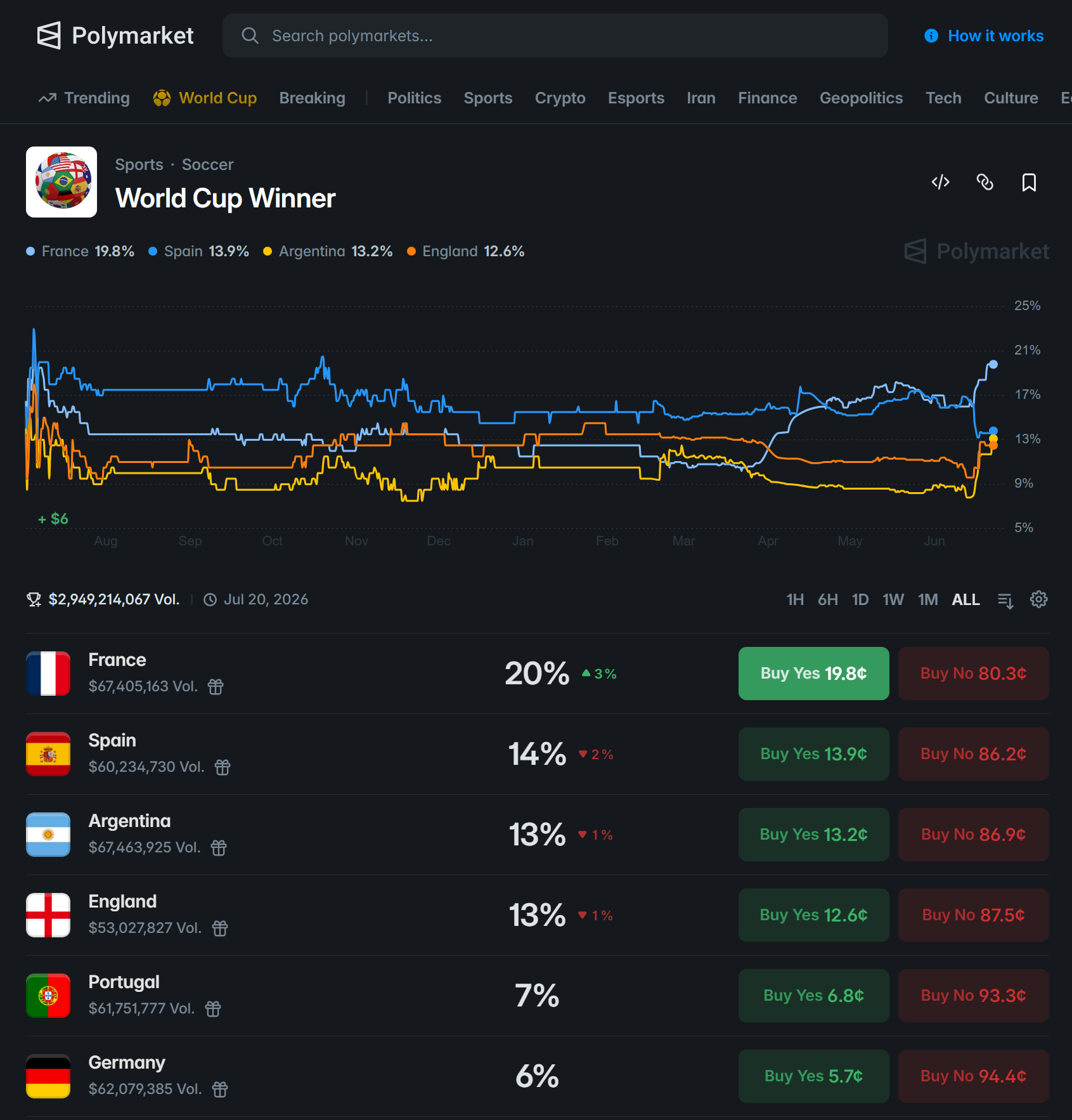
The Journal also found that some influencers received detailed instructions on how to use the dummy sites. Creators were paid around $2,000 to $3,000 per month and told not to disclose the arrangement; some added "@polymarket partner" to their bios only after the Journal made inquiries. One influencer compared the practice to how restaurants use artificial or styled food in ads – visually appealing, but not the real thing.
Since its meteoric rise, Polymarket has courted controversy amid multiple instances of insider trading, other signs of fraud, and studies showing that most bettors lose money. An August 2025 study estimated nearly $40 million in profits extracted through arbitrage on the platform.
A separate Columbia University study found that roughly 25% of Polymarket's historical trading volume was likely wash trading, spanning data through October 2025. A prior WSJ analysis found that 67% of profits on Polymarket went to just 0.1% of accounts.
此内容由惯性聚合(RSS阅读器)自动聚合整理,仅供阅读参考。 原文来自 — 版权归原作者所有。