
惯性聚合 高效追踪和阅读你感兴趣的博客、新闻、科技资讯
阅读原文 在惯性聚合中打开

推荐订阅源

云风的 BLOG
云风的 BLOG
The GitHub Blog
The GitHub Blog
Y
Y Combinator Blog
博客园 - 三生石上(FineUI控件)
T
The Blog of Author Tim Ferriss
宝玉的分享
宝玉的分享
Hugging Face - Blog
Hugging Face - Blog
WordPress大学
WordPress大学
V
Visual Studio Blog
小众软件
小众软件
Cyber Security Advisories - MS-ISAC
MongoDB | Blog
MongoDB | Blog
V
V2EX
钛媒体:引领未来商业与生活新知
钛媒体:引领未来商业与生活新知
博客园 - 【当耐特】
Microsoft Azure Blog
The Cloudflare Blog
H
Hackread – Cybersecurity News, Data Breaches, AI and More
freeCodeCamp Programming Tutorials: Python, JavaScript, Git & More
Engineering at Meta
Engineering at Meta
L
LangChain Blog
Martin Fowler
Martin Fowler
GbyAI
GbyAI
博客园 - 司徒正美

TechSpot

Flagship Rematch: Ryzen 7 5800X3D vs. Core i9-12900K Slack chats and internal data from failed startups are finding a second life in AI training A $5 Bluetooth tracker hidden in a postcard exposed a warship's movements Leakers claim PlayStation 6 could offer at least 3x the performance of the PS5 The Mac Mini is no longer a niche product, it's local AI infrastructure IPv6 traffic reaches parity with IPv4 for the first time, Google data shows Xbox expansion cards are now cheaper than SSDs, and PC users are repurposing them Blue Origin prepares to reuse New Glenn booster in bid to challenge SpaceX Nvidia could bring back the 12GB RTX 3060 as supply issues disrupt GPU roadmap What was the first OS you ever used? SNK revives NeoGeo AES with modern upgrades and HDMI support Valve's Proton 11 beta boosts Linux gaming with better performance and classic game support Researchers warn Microsoft Defender vulnerability is already being exploited A four-day Steam freebie turned into $250,000 for an indie game AMD may relaunch Ryzen 7 5800X3D for AM4's 10th anniversary This humanoid robot can almost run as fast as a human sprinter Two New Jersey men jailed for helping North Korean IT workers infiltrate 100+ companies A $7,000 DIY radar project is taking on hardware that usually costs over $100,000 Metro 2039 is going darker than ever, launching this winter on PC and consoles Gemini arrives on macOS with a dedicated desktop app AI infrastructure boom pushes AMD, Intel and Arm to new valuation heights New self-healing material can repair itself over 1,000 times, extend the lifespan of cars and aircraft Japan's bullet train to debut high-tech private cabins, for an added fee Memory card and flash drive pricing surges 120%, with some models spiking 260% Open-source tool decrypts all private data collected by Windows Recall on Copilot PCs The 2026 PC and Console Gaming Report shows most revenue now comes from games outside the Top 20 PureMac is a new open-source macOS cleanup and app removal tool Your Airbnb host might actually be AI Steam might soon display 30-day price history for game deals Intel brings 18A process to budget laptops with new Core Series 3 CPUs
This jacket can harvest drinking water from the air like ...
Rob Thubron · 2026-06-12 · via TechSpot

Serving tech enthusiasts for over 25 years.
TechSpot means tech analysis and advice you can trust.

Forward-looking: Researchers are developing a device that wouldn't look out of place the planet of Arrakis, also known as Dune: a jacket that harvests drinking water directly from the ambient air, offering a real-world spin on the sci-fi stillsuit fantasy.

The creation comes from engineers at the University of Texas at Austin, who have developed textile fibers for atmospheric water harvesting – the process of collecting moisture from the air and turning it into liquid water.

The work, published in Science Advances, addresses one of the biggest limitations of earlier systems: most are boxes, panels, sorbent beds, or other stationary devices, not something you can wear while hiking through the desert and pretending to be Paul Atreides.
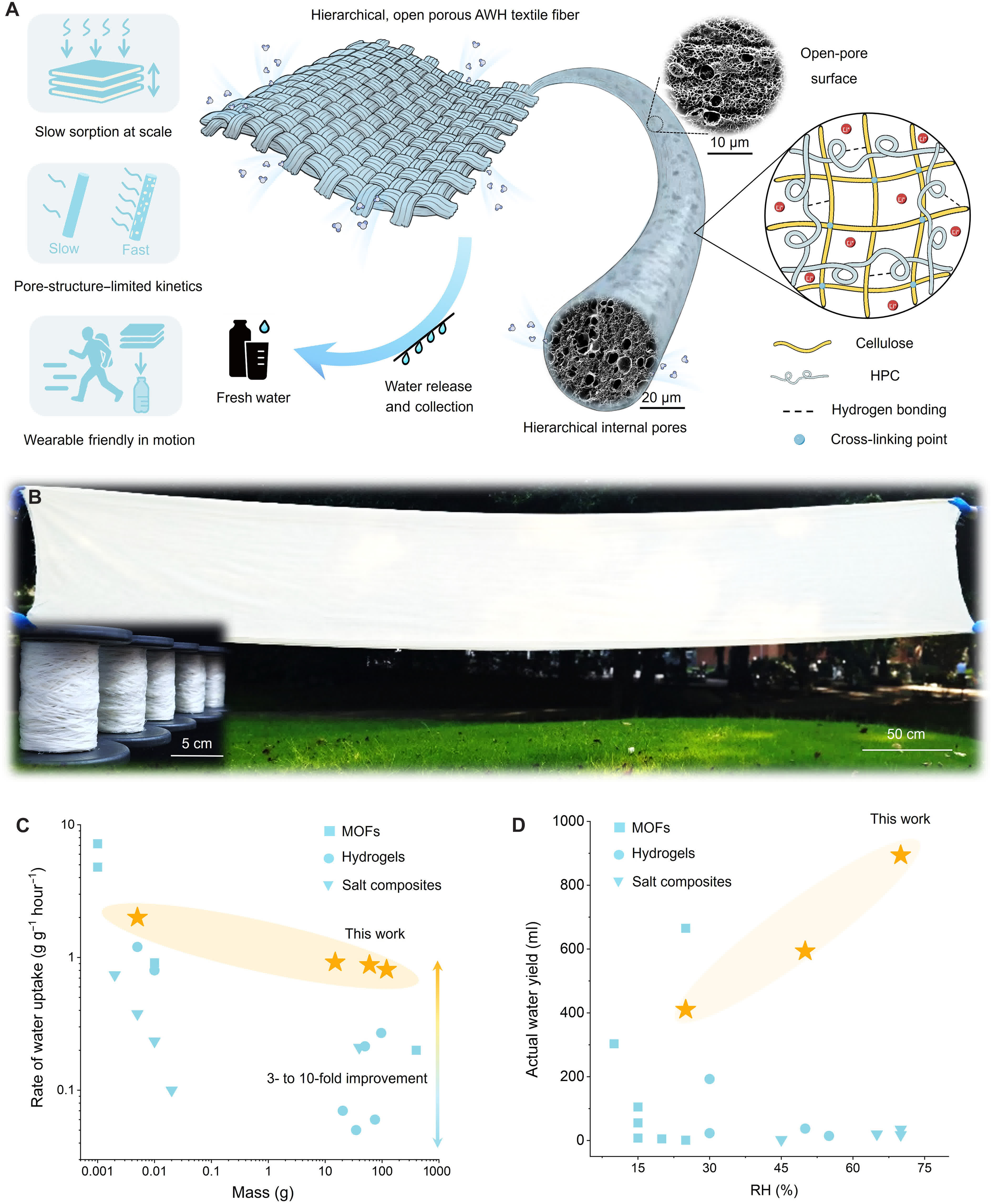
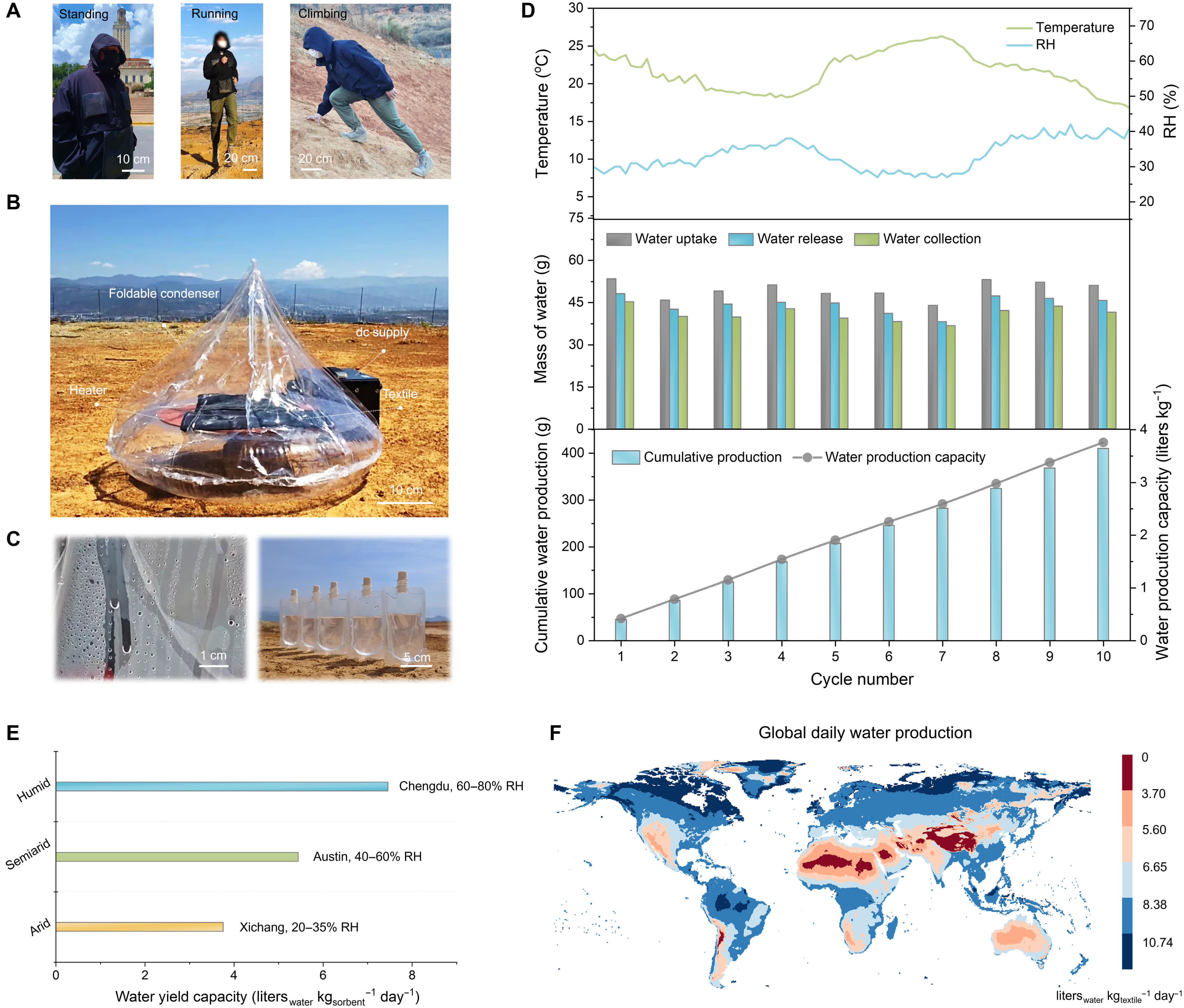
The jacket's fabric collects moisture and funnels it into detachable harvesting units. These are then placed in a foldable collector and heated to release and condense the water.

In outdoor tests, the wearable produced between 400 and 900 milliliters of drinkable water per day, or roughly 14 to 30 ounces, depending on humidity.

That isn't enough to replace a canteen, and unlike Dune's stillsuits, it isn't recycling sweat and urine from your body, thankfully. But it could provide a useful backup for hikers, campers, agricultural workers, emergency responders, soldiers, or anyone operating somewhere with poor access to drinking water.

The researchers say the key advance is not simply a material that absorbs water, but one that moves it quickly from vapor in the air to liquid on the fiber surface and then into the textile. UT Austin says the design showed a three- to 10-fold improvement over conventional water-harvesting materials.
The team is also looking beyond jackets. Backpacks, tents, emergency shelters, and other outdoor gear could all incorporate similar fabrics, turning items people already carry into low-power water collectors.

A separate device from the same group recently captured 1.3 liters of clean water per day in both arid and semi-humid areas, equivalent to 4.3 liters per kilogram of moisture-capturing material.

There have been several air-to-water systems over the years, including a biomass hydrogel from the same university that used food scraps, branches, and seashells to extract drinkable water from air; an $860,000 WaterCube deployed at a Florida hospital after Hurricane Milton; Watergen's solar-powered GENNY; and a device capable of pulling water from desert air.