


Serving tech enthusiasts for over 25 years.
TechSpot means tech analysis and advice you can trust.
Why it matters: A privately built microreactor at Idaho National Laboratory has passed a key test, sustaining its own nuclear chain reaction and pushing a new generation of small reactors closer to real-world use. The Energy Department says Antares Nuclear's microreactor at the lab reached "criticality" on June 4. That milestone means the reactor can sustain a chain reaction that steadily releases energy, a basic requirement before it can generate power.
Federal officials cast the test as a win for the Trump administration's effort to speed up new nuclear projects. "We are very excited by this news today," Energy Secretary Chris Wright said during a call with reporters. "I think June 4th will be a historic day in the American nuclear renaissance." He added that Antares and its partners "have shown America can do bold things," crediting companies like Antares with advancing new reactor designs.
The Antares project is part of a federal pilot program launched last year under the Trump administration to speed up the development and testing of advanced reactors. Traditional nuclear plants are big, complex builds; microreactors are meant to be compact and movable. Federal agencies have already tested moving a small, unfueled reactor by air, underscoring interest in systems that can be deployed quickly to bases and other hard-to-reach sites.
That design approach is one reason the US military has taken an interest. The California-based company is initially targeting military applications, focusing on power systems for bases and other defense sites.
The system is still years from commercial use, but Antares executives describe the test as a major step toward that goal. "Nuclear in America has been defined for too long by delays, by companies that said they would and then didn't," CEO Jordan Bramble said in a written statement. At a separate briefing, he described the milestone as part of a broader rollout timeline. "This is the first step on a roadmap toward producing electricity ahead of deploying this technology for customer sites," Bramble added.
Antares expects to begin producing electricity by late 2027, with deployment targeted for 2028.
Federal officials are pushing other reactor projects to hit similar milestones on a faster schedule. The Energy Department has picked 11 advanced reactor projects, including Antares, and the Trump administration wants at least three test reactors to reach criticality by July 4, the nation's 250th anniversary.
At the same time, agencies are testing how these systems might be moved and installed. In February, the Pentagon and Energy Department flew an unfueled, 5-megawatt Valar Atomics microreactor from Southern California to Hill Air Force Base in Utah, a trip of about 700 miles.
The reactor was not fueled, but the exercise was meant to show that small nuclear systems could be deployed quickly if needed. Once operational, that unit is expected to generate enough power for about 5,000 homes. Valar CEO Isaiah Taylor has said the company aims to begin limited power sales next year and reach full commercial operations by 2028.
Not everyone is convinced the progress is as meaningful as it sounds. Edwin Lyman, director of nuclear power safety at the Union of Concerned Scientists, pushed back on claims by Antares and federal officials about what the test shows. "This stunt is a rudimentary first step that has absolutely no bearing on whether the Antares reactor will be safe or commercially viable," he said, also disputing the Energy Department's assertion that the test confirms safe operation.
Those tests are unfolding against a changing policy backdrop in Washington. Executive orders signed in May 2025 gave the Energy Secretary more authority to approve certain advanced reactor projects, while limiting some of the Nuclear Regulatory Commission's oversight. Supporters say streamlining approvals will help advanced reactors move from lab tests to the grid more quickly. Critics counter that weakening the Nuclear Regulatory Commission's role could undercut safety oversight.
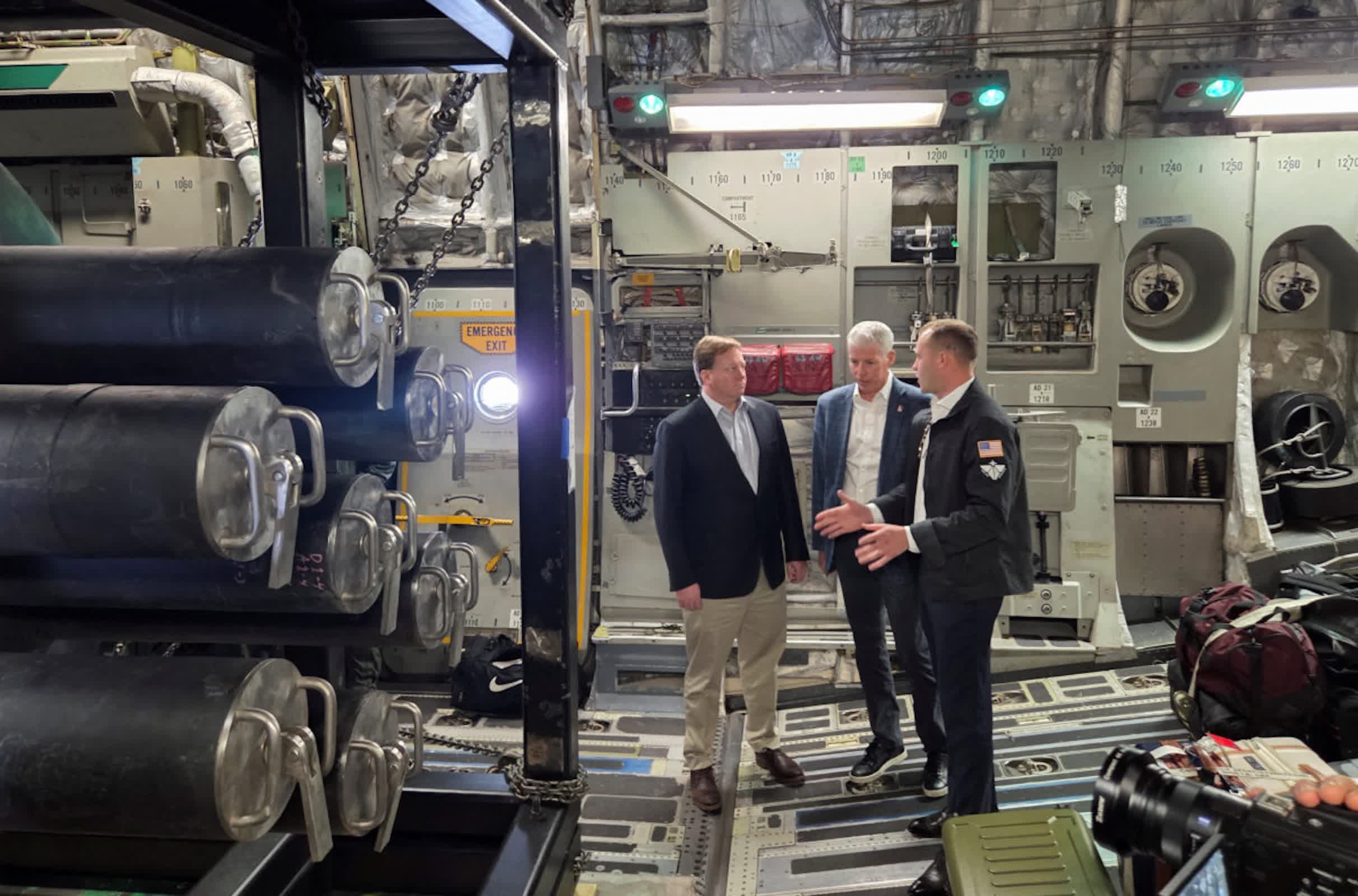
US military airlifts small reactor for the first time. Image credit: AP
One issue that remains unresolved is what happens to the waste. Wright has said the Energy Department is talking with Utah and other states – including Tennessee, Nebraska and Idaho – about sites to reprocess fuel or handle permanent disposal, but the administration still has no final decision.
此内容由惯性聚合(RSS阅读器)自动聚合整理,仅供阅读参考。 原文来自 — 版权归原作者所有。