


Serving tech enthusiasts for over 25 years.
TechSpot means tech analysis and advice you can trust.
Why it matters: Age verification and social media bans for under-16s are gaining popularity worldwide in response to rising concerns over harmful online content. However, questions surround the effectiveness of enforcement methods. A recent UK report suggests that, while digital restrictions have reduced children's exposure to harmful content, the problem remains far from resolved.
A recent survey from Internet Matters reveals that the UK's Online Safety Act has had limited effectiveness in stopping minors from accessing social media and adult content.
While some children and parents agree that protections should exist, opinions vary on whether facial scans or government ID checks are the best solution.
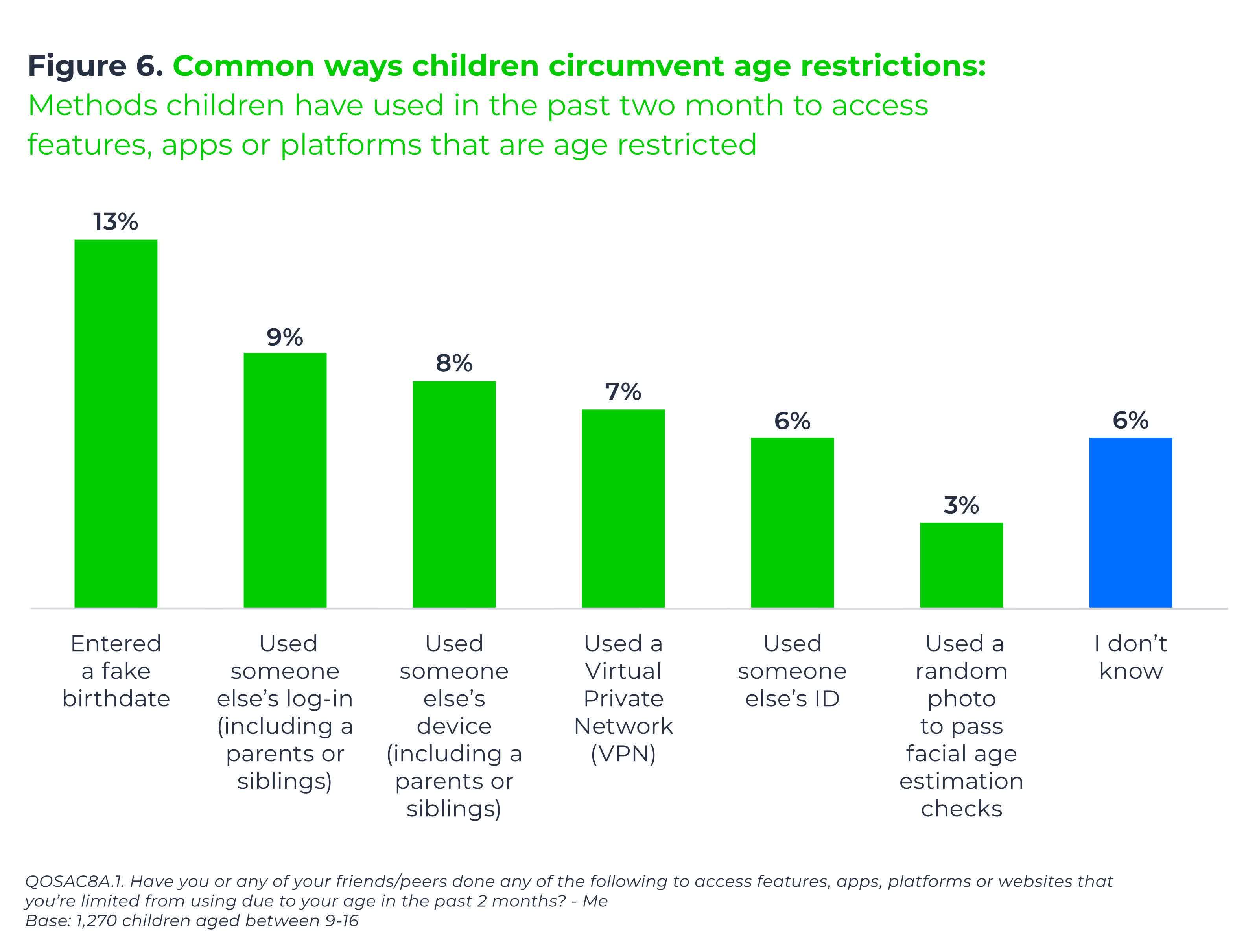
In total 1,270 children aged 9 to 16 and their parents were surveyed, where roughly 32% admitted to bypassing age checks. The time-honored method of simply entering a fake birthdate remains the most common. Others include using an adult's device or login credentials, activating a VPN, and using someone else's ID.
Passing age estimation facial scans with random photos is less common. Roughly one-sixth of parents helped their children bypass restrictions, largely because they trusted their kids and understood the online services they attempted to access.
After the UK began enforcing age restrictions on adult websites last year and Australia banned minors from social media, VPN downloads surged. Social media networks and other apps, such as Discord and YouTube, also began enforcing age checks for some accounts after Australia and other countries attempted to ban minors from social media.
Although the UK has not enacted a similar ban, minors already report encountering age verification requirements when setting up new accounts. Some services do not ban users under 16 outright but rather restrict certain features, such as livestreaming and direct messaging.
Aside from using other people's faces, some children have also successfully used video game characters. After Discord began requiring age verification and its associated ID database was breached, an app emerged that uses 3D models to circumvent the service's facial scans.
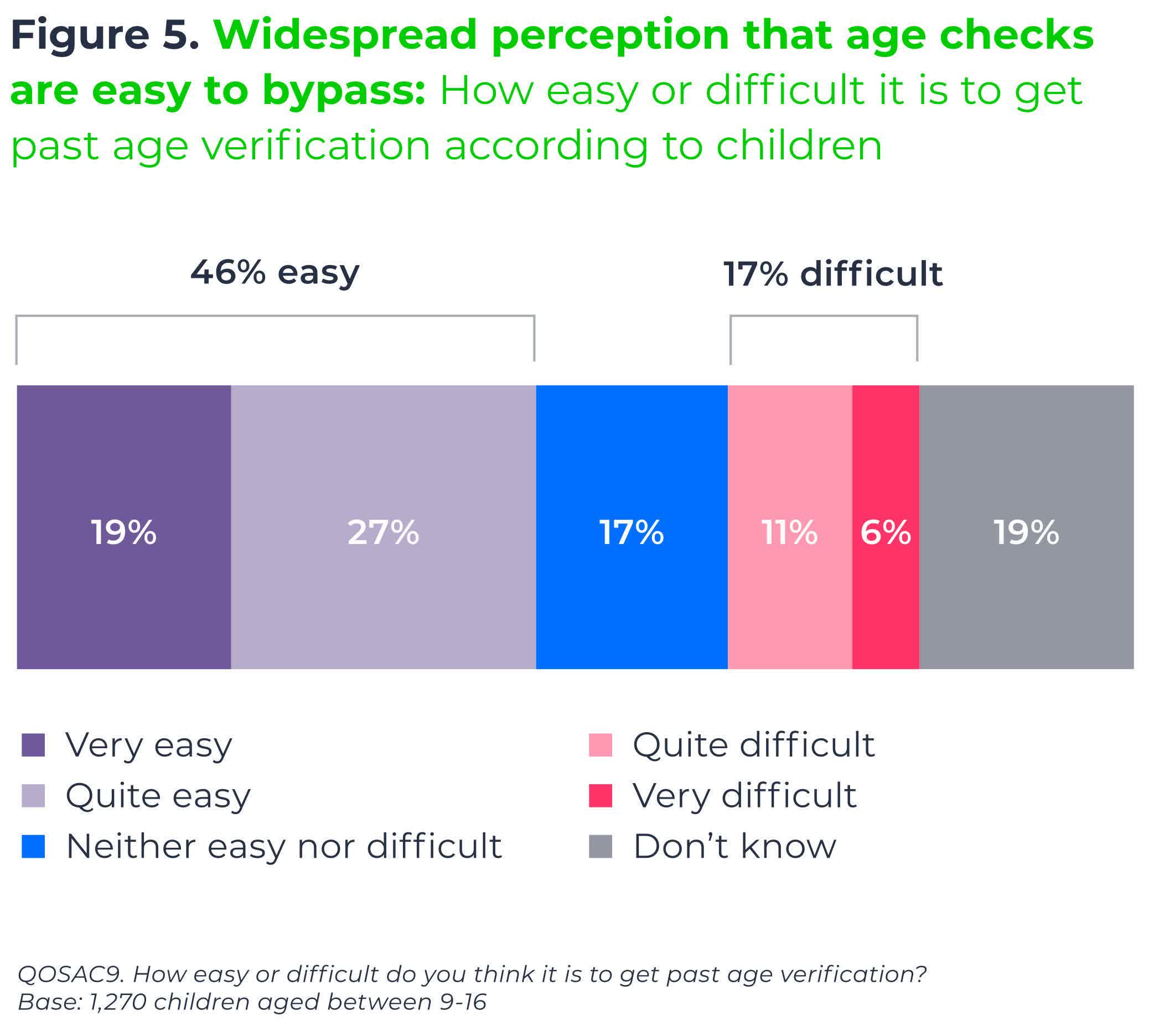
One parent in the UK study caught their 12-year-old painting on a fake mustache, after which the age estimation software guessed they were 15. Prior studies suggest that while facial scanners are accurate for users over 18, their effectiveness declines when analyzing teenagers' faces.
The Discord incident also justifies concerns surrounding their security. One parent in the study worried that fraudulent websites might harvest children's private information using age verification.
Meanwhile, regulators are targeting VPNs, leading to unexpected consequences. US lawmakers recently warned that VPN users could attract government surveillance, since networks cannot tell whether they are foreign operators.
Utah recently became the first state to pass anti-VPN legislation, and Russia inadvertently disrupted its banking sector after attempting to block VPNs.
此内容由惯性聚合(RSS阅读器)自动聚合整理,仅供阅读参考。 原文来自 — 版权归原作者所有。