










Serving tech enthusiasts for over 25 years.
TechSpot means tech analysis and advice you can trust.
In a nutshell: Another country is joining the rapidly growing list of nations to ban social media use among children. Canada has introduced proposed legislation that would prevent anyone younger than 16 from having accounts on these services, though there is a workaround for the tech firms covered by the rules.
Bill C-34, also known as the Safe Social Media Act, would make social media services and some AI chatbot providers responsible for protecting children from online harms. The Canadian government says the aim is to shift the burden away from parents and onto companies designing platforms that keep young users scrolling.
The bill would create a new Digital Safety Commission of Canada to enforce the rules, issue compliance orders, and impose penalties. Platforms would have to assess and mitigate risks, publish safety plans, give users clearer ways to flag harmful content and block others. They would also have to reduce children's exposure to seven categories of harmful material, including content that sexually exploits children, promotes self-harm, enables bullying, foments hatred, incites violence, or supports terrorism and violent extremism.
AI chatbot services would face duties tailored to their technology, including measures around harmful responses and crisis situations in which a user may be at risk of hurting themselves or someone else.
"Social media platforms and AI chatbots are designed to capture attention. They do not support healthy childhood development and have become a source of anxiety, isolation, depression and a range of other mental health challenges for many young Canadians," said Marjorie Michel, Canada's Minister of Health.
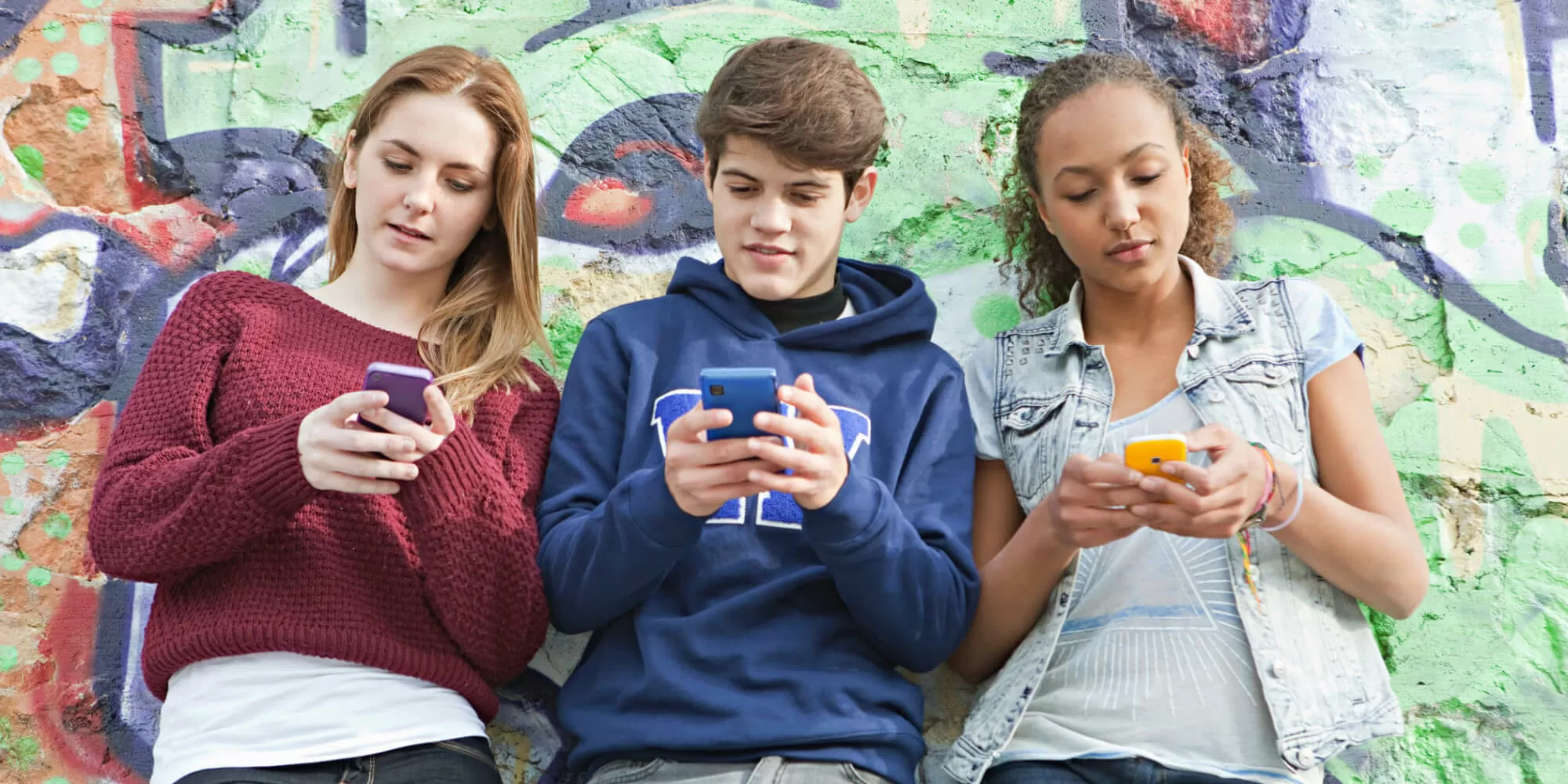
The loophole, or incentive, depending on your view, is that social media platforms can apply for an exemption from the under-16 account ban if they can show they have sufficient safeguards in place for children. The government has yet to spell out exactly what those safeguards will involve, though adult-content services will not be eligible.
Canada is following Australia, which became the first country to introduce a national under-16 social media ban and has since forced platforms to disable millions of accounts. Brazil, Malaysia, and Indonesia have also introduced or announced age-based restrictions, while France, Spain, Norway, Denmark, Thailand, and South Korea are among the countries studying or developing similar measures.
In the US, the fight has mostly unfolded at state level. Florida passed one of the strictest laws, banning accounts for children 14 and under and requiring parental consent for 15-year-olds, while Utah, Tennessee, Mississippi, and others have passed parental-consent, age-verification, or app-store-focused rules. Many have faced lawsuits or been blocked by courts.
It looks almost certain that the UK will be next. The government appears set to pursue restrictions on "harmful" social media for under-16s, alongside measures targeting AI chatbots, gaming, addictive design features, and child nudity protections, including on-device image scanning. The White House has urged Britain not to adopt an Australian-style ban, warning that sweeping rules could burden US tech companies.
此内容由惯性聚合(RSS阅读器)自动聚合整理,仅供阅读参考。 原文来自 — 版权归原作者所有。