
惯性聚合 高效追踪和阅读你感兴趣的博客、新闻、科技资讯
阅读原文 在惯性聚合中打开

推荐订阅源

有赞技术团队
有赞技术团队
小众软件
小众软件
The Cloudflare Blog
OSCHINA 社区最新新闻
OSCHINA 社区最新新闻
博客园_首页
酷 壳 – CoolShell
酷 壳 – CoolShell
爱范儿
爱范儿
让小产品的独立变现更简单 - ezindie.com
雷峰网
雷峰网
Jina AI
Jina AI
博客园 - 【当耐特】
V
Visual Studio Blog
美团技术团队
钛媒体:引领未来商业与生活新知
钛媒体:引领未来商业与生活新知
奇客Solidot–传递最新科技情报
奇客Solidot–传递最新科技情报
罗磊的独立博客
大猫的无限游戏
大猫的无限游戏
量子位
IT之家
IT之家
G
Google Developers Blog
V
V2EX
The GitHub Blog
The GitHub Blog
月光博客
月光博客
GbyAI
GbyAI

TechSpot

Flagship Rematch: Ryzen 7 5800X3D vs. Core i9-12900K Slack chats and internal data from failed startups are finding a second life in AI training A $5 Bluetooth tracker hidden in a postcard exposed a warship's movements Leakers claim PlayStation 6 could offer at least 3x the performance of the PS5 The Mac Mini is no longer a niche product, it's local AI infrastructure IPv6 traffic reaches parity with IPv4 for the first time, Google data shows Xbox expansion cards are now cheaper than SSDs, and PC users are repurposing them Blue Origin prepares to reuse New Glenn booster in bid to challenge SpaceX Nvidia could bring back the 12GB RTX 3060 as supply issues disrupt GPU roadmap What was the first OS you ever used? SNK revives NeoGeo AES with modern upgrades and HDMI support Valve's Proton 11 beta boosts Linux gaming with better performance and classic game support Researchers warn Microsoft Defender vulnerability is already being exploited A four-day Steam freebie turned into $250,000 for an indie game AMD may relaunch Ryzen 7 5800X3D for AM4's 10th anniversary This humanoid robot can almost run as fast as a human sprinter Two New Jersey men jailed for helping North Korean IT workers infiltrate 100+ companies A $7,000 DIY radar project is taking on hardware that usually costs over $100,000 Metro 2039 is going darker than ever, launching this winter on PC and consoles Gemini arrives on macOS with a dedicated desktop app AI infrastructure boom pushes AMD, Intel and Arm to new valuation heights New self-healing material can repair itself over 1,000 times, extend the lifespan of cars and aircraft Japan's bullet train to debut high-tech private cabins, for an added fee Memory card and flash drive pricing surges 120%, with some models spiking 260% Open-source tool decrypts all private data collected by Windows Recall on Copilot PCs The 2026 PC and Console Gaming Report shows most revenue now comes from games outside the Top 20 PureMac is a new open-source macOS cleanup and app removal tool Your Airbnb host might actually be AI Steam might soon display 30-day price history for game deals Intel brings 18A process to budget laptops with new Core Series 3 CPUs
Australia gives Google, Meta, and TikTok a choice: pay ne...
Rob Thubron · 2026-04-28 · via TechSpot

Serving tech enthusiasts for over 25 years.
TechSpot means tech analysis and advice you can trust.

A hot potato: Australia's government has revealed draft legislation that would force some of the world's biggest tech companies to pay publishers for news content or hand over a slice of their domestic revenue. The News Bargaining Incentive would apply to Google, Meta, and TikTok, which could face a 2.25% levy on Australian revenue if they refuse to strike deals with media companies.

Prime Minister Anthony Albanese said large digital platforms "cannot avoid their obligations" under the country's news media bargaining framework.

The charge would apply to companies generating more than A$250 million in Australian revenue, though the government is framing the levy less as punishment and more as an incentive to get Facebook, Instagram, Google Search, and TikTok back to the table.

The proposal replaces Australia's 2021 News Media Bargaining Code, which pushed Google and Meta into signing deals with publishers after a public fight.

Meta briefly blocked Australians from sharing or viewing news in response, but it later reached agreements with several media companies. It took a harder line in Canada, where it continues to block news links after similar legislation.

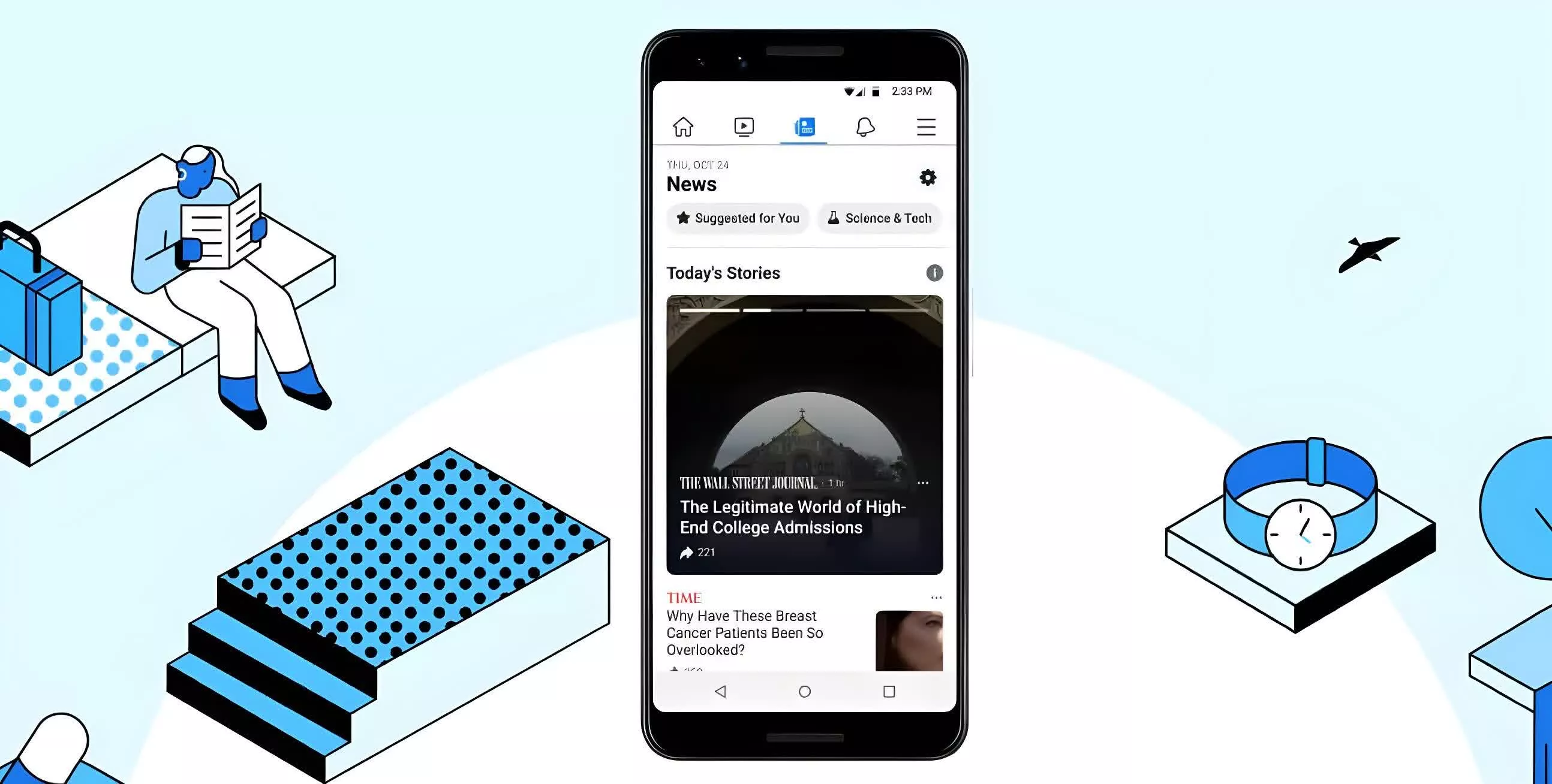
This is not the first time Meta has pulled away from news. In 2024, Facebook removed the News tab in the US and Australia as the company shifted toward creator content, short-form video, and AI. Meta has long argued that users do not come to Facebook for news, while publishers say platforms built huge businesses partly by distributing their work.
Under the draft plan, payments made through publisher deals can offset the charge, with larger credits for smaller outlets. Money collected from platforms that refuse to make deals would be redirected to support journalism and local reporting.

Unsurprisingly, the affected companies are not thrilled. Meta called the plan a government-mandated transfer of wealth from one industry to another and argued that news makes up only a small part of what people see on its platforms.

Google also rejected the need for new rules, pointing to existing agreements and questioning why AI companies are not covered.

Australia has already become one of the most aggressive Western countries when it comes to regulating tech giants, having introduced a world-first ban on social media accounts for under-16s. That law is facing plenty of issues, with many teens still able to access restricted platforms.