


惯性聚合 高效追踪和阅读你感兴趣的博客、新闻、科技资讯
阅读原文 在惯性聚合中打开

推荐订阅源

B
Blog RSS Feed
量子位
Recent Announcements
T
The Blog of Author Tim Ferriss
美团技术团队
Cyber Security Advisories - MS-ISAC
Blog — PlanetScale
Blog — PlanetScale
H
Help Net Security
freeCodeCamp Programming Tutorials: Python, JavaScript, Git & More
博客园 - Franky
让小产品的独立变现更简单 - ezindie.com
宝玉的分享
宝玉的分享
大猫的无限游戏
大猫的无限游戏
V
Visual Studio Blog
博客园 - 聂微东
aimingoo的专栏
aimingoo的专栏
Microsoft Security Blog
U
Unit 42
J
Java Code Geeks
钛媒体:引领未来商业与生活新知
钛媒体:引领未来商业与生活新知
IT之家
IT之家
Hugging Face - Blog
Hugging Face - Blog
腾讯CDC
L
LangChain Blog

TechSpot

Flagship Rematch: Ryzen 7 5800X3D vs. Core i9-12900K Slack chats and internal data from failed startups are finding a second life in AI training A $5 Bluetooth tracker hidden in a postcard exposed a warship's movements Leakers claim PlayStation 6 could offer at least 3x the performance of the PS5 The Mac Mini is no longer a niche product, it's local AI infrastructure IPv6 traffic reaches parity with IPv4 for the first time, Google data shows Xbox expansion cards are now cheaper than SSDs, and PC users are repurposing them Blue Origin prepares to reuse New Glenn booster in bid to challenge SpaceX Nvidia could bring back the 12GB RTX 3060 as supply issues disrupt GPU roadmap What was the first OS you ever used? SNK revives NeoGeo AES with modern upgrades and HDMI support Valve's Proton 11 beta boosts Linux gaming with better performance and classic game support Researchers warn Microsoft Defender vulnerability is already being exploited A four-day Steam freebie turned into $250,000 for an indie game AMD may relaunch Ryzen 7 5800X3D for AM4's 10th anniversary This humanoid robot can almost run as fast as a human sprinter Two New Jersey men jailed for helping North Korean IT workers infiltrate 100+ companies A $7,000 DIY radar project is taking on hardware that usually costs over $100,000 Metro 2039 is going darker than ever, launching this winter on PC and consoles Gemini arrives on macOS with a dedicated desktop app AI infrastructure boom pushes AMD, Intel and Arm to new valuation heights New self-healing material can repair itself over 1,000 times, extend the lifespan of cars and aircraft Japan's bullet train to debut high-tech private cabins, for an added fee Memory card and flash drive pricing surges 120%, with some models spiking 260% Open-source tool decrypts all private data collected by Windows Recall on Copilot PCs The 2026 PC and Console Gaming Report shows most revenue now comes from games outside the Top 20 PureMac is a new open-source macOS cleanup and app removal tool Your Airbnb host might actually be AI Steam might soon display 30-day price history for game deals Intel brings 18A process to budget laptops with new Core Series 3 CPUs
The FDA just cleared a maggot-based wound treatment from ...
Rob Thubron · 2026-06-22 · via TechSpot

Serving tech enthusiasts for over 25 years.
TechSpot means tech analysis and advice you can trust.

Editor's take: The idea of cleaning human wounds with live maggots sounds like the sort of medieval medicine that should have died out somewhere around the invention of soap. But one day, you could be thanking a fly's larvae for saving a limb from amputation.

The US Food and Drug Administration has cleared Medifly Maggots, a prescription wound-care product from Singapore-based Cuprina, for use in maggot debridement therapy.

The product uses sterile, medical-grade larvae of Lucilia cuprina, better known as the Australian sheep blowfly, to remove dead or infected tissue from wounds that refuse to heal.

It's not a treatment for the squeamish, but this isn't quite as horrifying as it sounds – just don't do an image search while eating. In a clinical setting, healthcare professionals apply the larvae, usually under a dressing. The larvae then secrete enzymes that break down dead tissue into a liquid they can consume. Healthy tissue is largely left alone, which is the whole point.
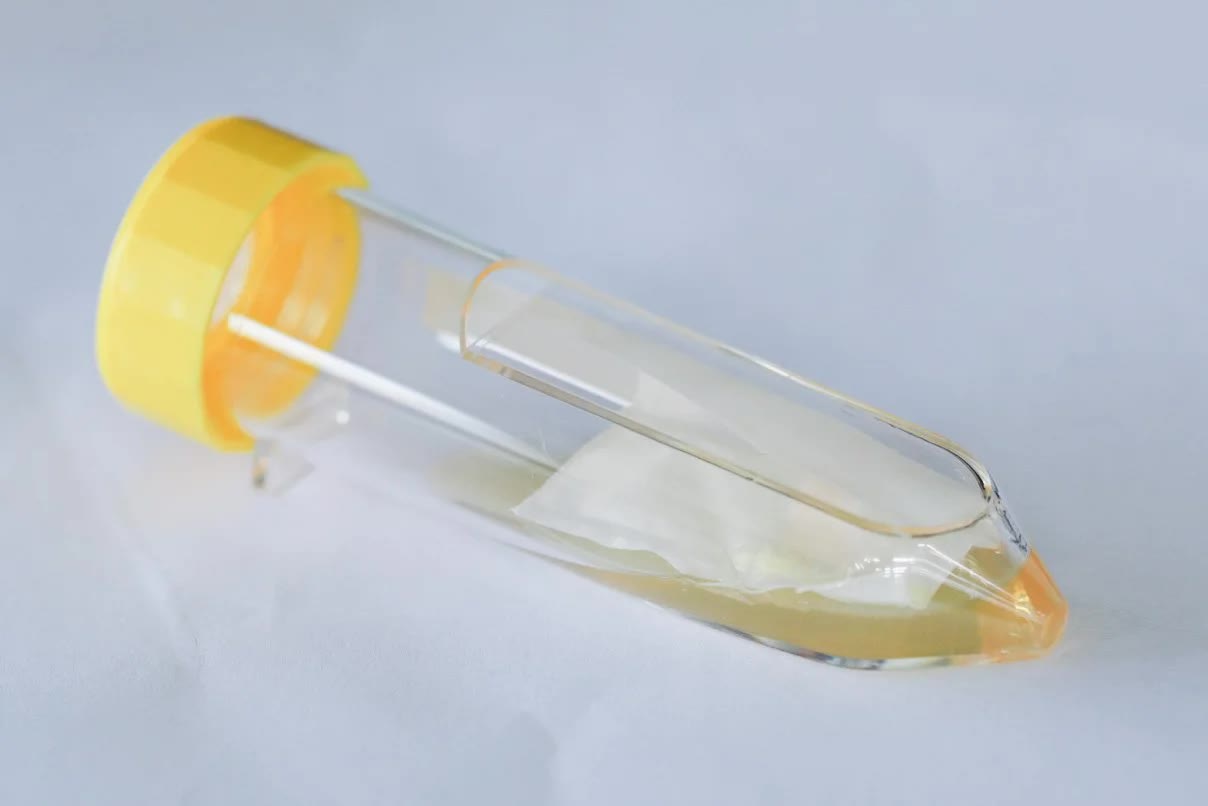
The FDA's database lists Medifly Maggots under 510(k) number BK251252, with a decision date of June 12, 2026. The agency found the product substantially equivalent to an earlier medical maggot product, allowing it to be marketed for debriding non-healing necrotic skin and soft-tissue wounds, including pressure ulcers, neuropathic foot ulcers, and non-healing traumatic or post-surgical wounds.

The clearance appears to make Lucilia cuprina the second fly species authorized for this kind of therapy in the US. The first was Lucilia sericata, commonly known as the green bottle fly, whose larvae were cleared in 2004. Cuprina says it now holds US FDA commercial rights to both species used in maggot debridement therapy.

The company argues that having both species matters because Lucilia sericata is better established in Western wound care, while Lucilia cuprina is more familiar in parts of Australia, Africa, Asia, and the Americas. That could give Cuprina more flexibility as it looks beyond the US market.
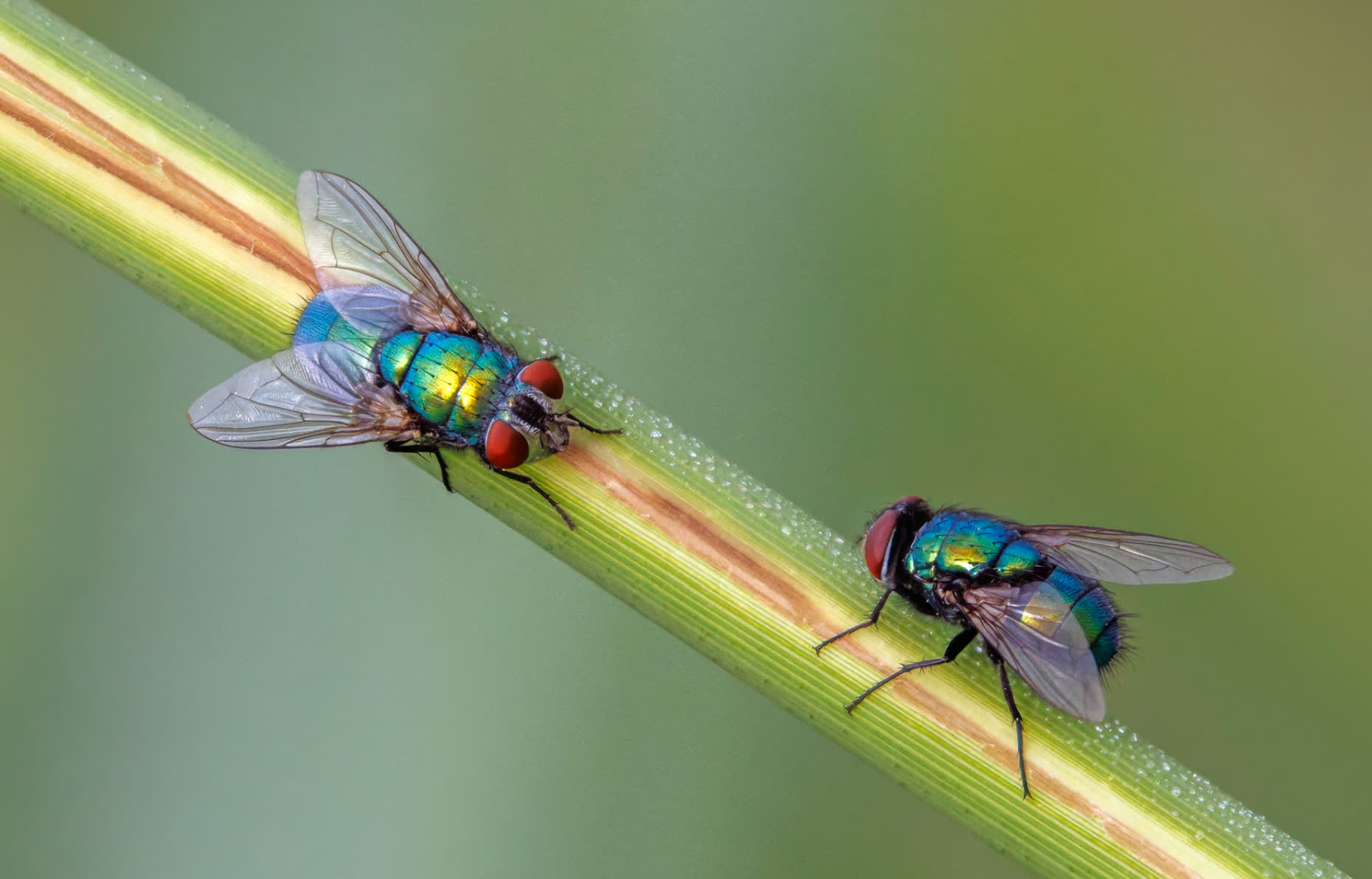
Lucilia sericata, the OG of maggot wound therapy

Maggot therapy has a long history, including use on battlefield wounds, and modern interest has been helped by growing concern over chronic wounds and antimicrobial resistance. Cuprina says chronic non-healing wounds affect an estimated 1% to 2% of people in developed countries.

Reviews have found that maggot therapy can speed the removal of dead tissue, but the evidence that it improves overall healing compared with conventional treatment is less clear. For patients with stubborn wounds, however, another regulated option could be welcome, even if nobody is going to enjoy reading the ingredients label.

Cuprina says Medifly Maggots should soon become available to wound-care providers across the US.