











Serving tech enthusiasts for over 25 years.
TechSpot means tech analysis and advice you can trust.
First look: After several months in beta, Google is finally rolling out Android 17 to its Pixel lineup. The release arrives alongside a new Pixel Drop and updates to Wear OS, further aligning software changes across Google's phones and watches.
That context matters for understanding what this update actually is. Android, at least in its pure form, is no longer what most users interact with. On Pixel phones, the operating system sits beneath a layer of Google-specific features and services, many of which don't appear on other Android devices in quite the same way – if at all. What is shipping now, in other words, is only part of the story.
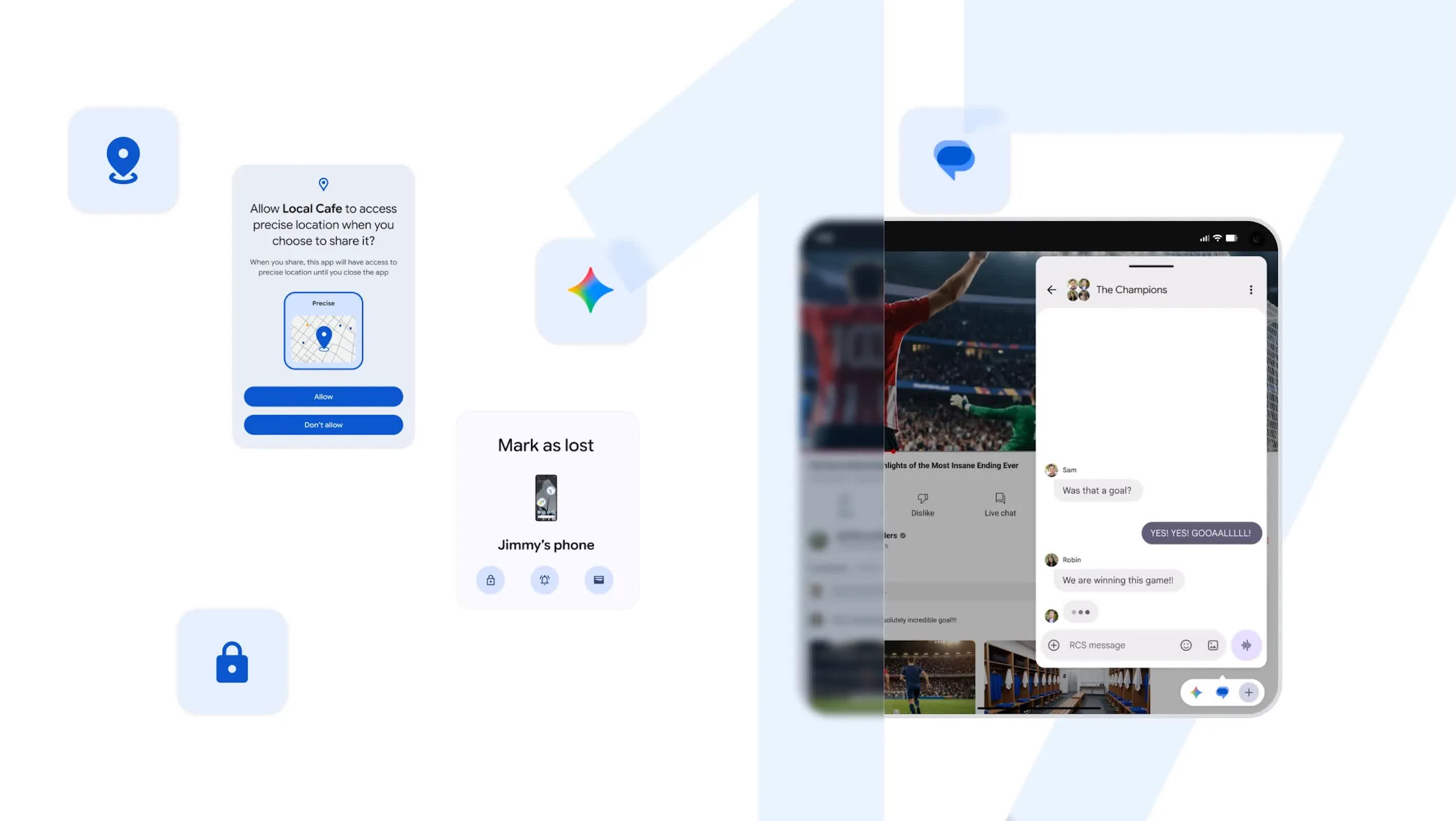
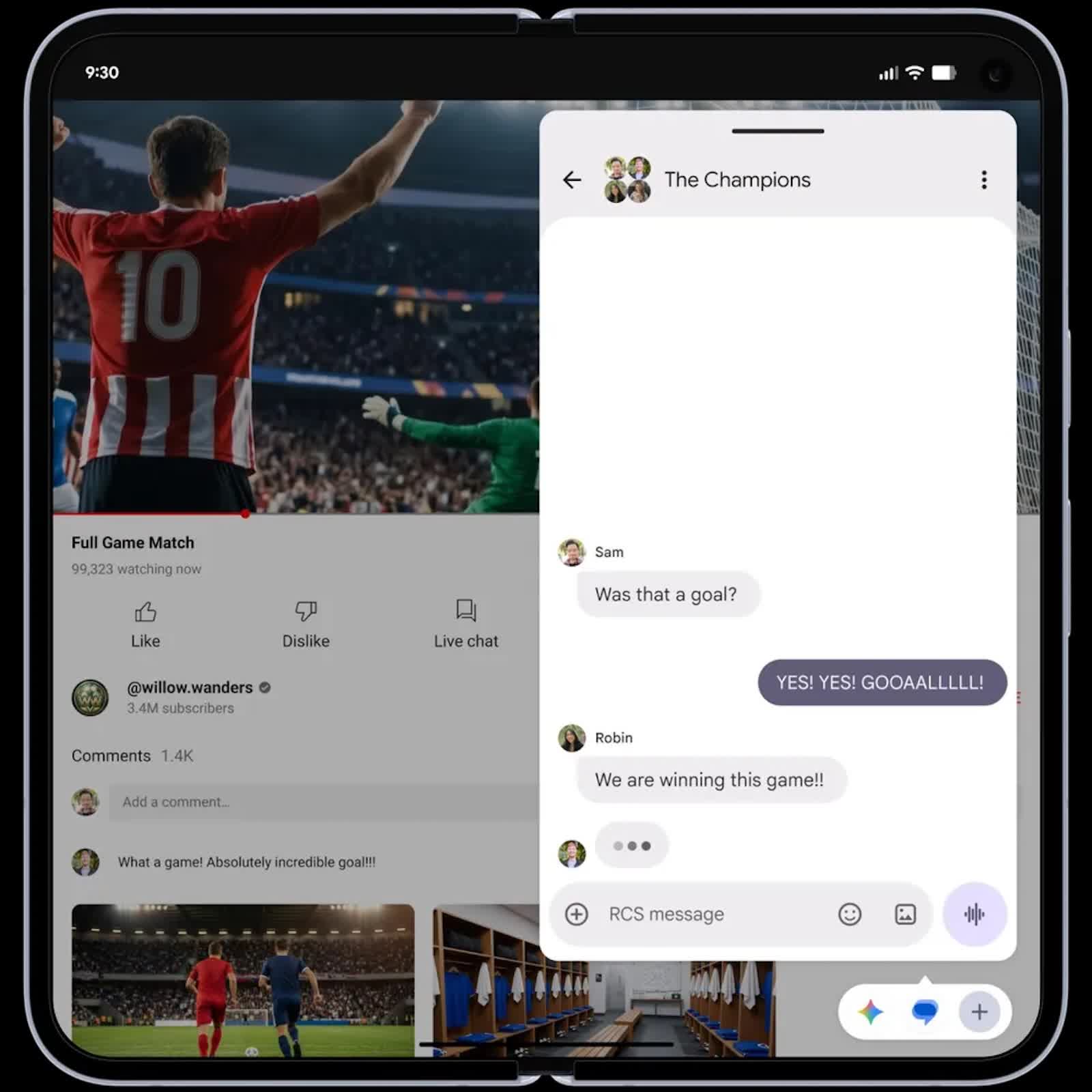
Some of the more noticeable changes focus on multitasking. Android 17 builds on its existing Bubbles feature, turning it into something more flexible and system-wide. On Pixel devices, apps can be launched into floating windows directly from their icons, then minimized into persistent bubbles that hover over other content.
On foldables, those bubbles snap into a dedicated bar designed for quick switching. The idea is straightforward: keep conversations or secondary tasks within reach on screens that are getting larger and more flexible.
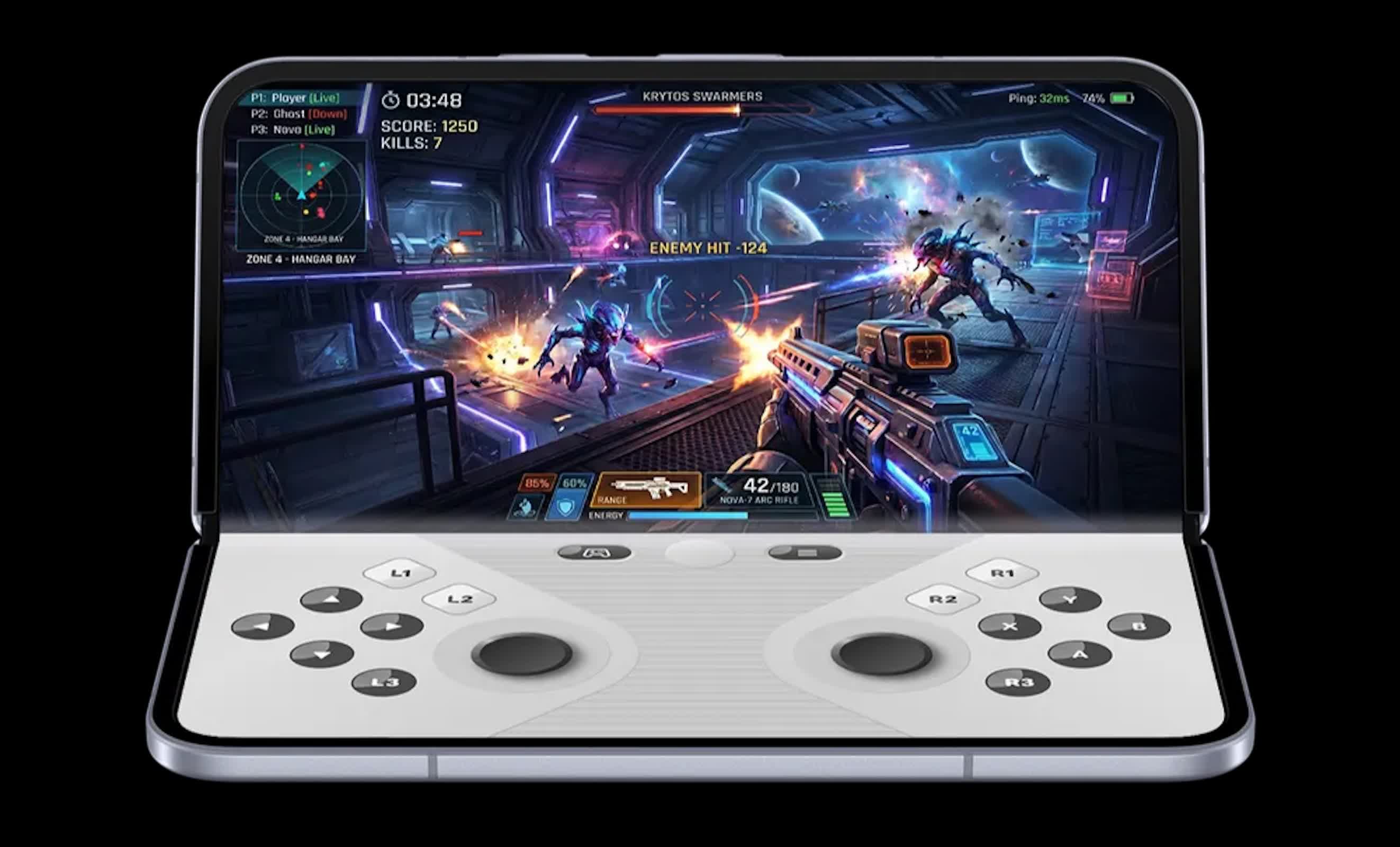
Foldables are influencing other parts of the OS as well, particularly gaming. One upcoming feature splits the screen into two zones, with gameplay on top and touch controls below. When the device is partially folded, it starts to resemble a handheld console. It is meant to fix the awkward feel of stretching phone games across square foldable displays, but Google says the mode will not ship for a few more months.
That delayed rollout applies to a few other features. "Pause Point," designed to interrupt endless scrolling sessions, is also slated for a later release. For now, one of the more immediate additions is aimed squarely at content creation. Android 17 introduces built-in support for recording reaction videos – clips where creators overlay their own camera feed on top of on-screen content. Instead of relying on third-party apps or editing tools, the feature is integrated directly into the screen recording system.
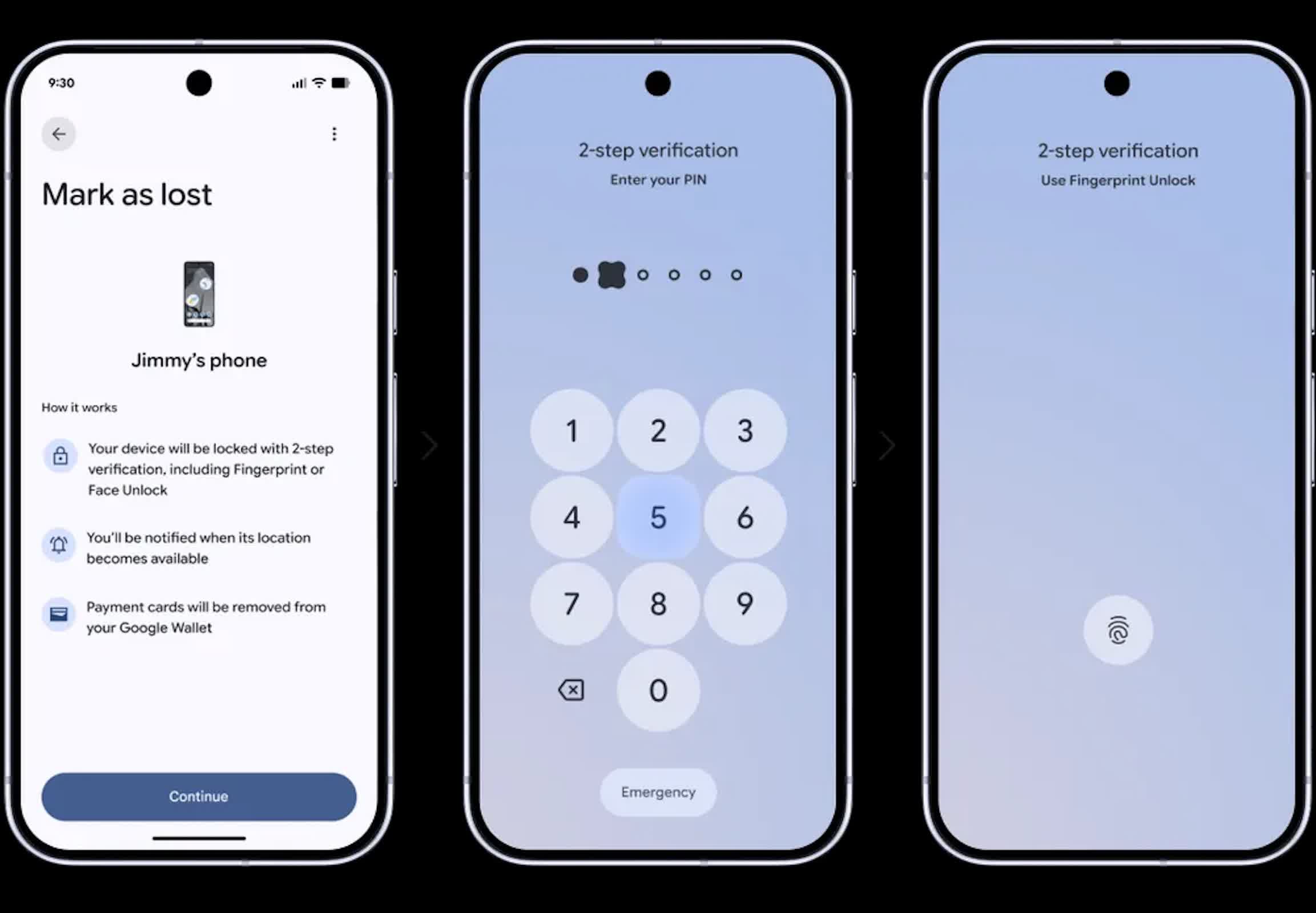
This version also adds tighter controls over how apps access sensitive data. Users can grant location access temporarily rather than indefinitely, and apps requesting contacts can be limited to specific entries instead of the entire address book. There are also updates to device protection. The "Mark as lost" feature now supports biometric locking in addition to passcodes, and repeated unlock attempts are throttled more aggressively.
Outside the core OS, Google is continuing to use its Pixel Drop updates to deliver new AI capabilities. The Gemini Omni model, introduced earlier this year, is making its way into the Gemini app on Pixel devices for video generation and still requires a Gemini Pro or Ultra subscription, while Lyria 3 adds music creation without a premium tier. These tools reflect a broader strategy: major features are increasingly delivered through apps and services rather than being tied to annual OS upgrades.
There are also incremental moves toward better interoperability, though progress remains uneven. Quick Share is expanding its support for Apple's AirDrop protocol across more devices, including newer Pixel A-series phones, but hardware differences still limit how widely it can be deployed.
Meanwhile, Magic Cue – Google's on-device AI assistant powered by Gemini Nano – is being extended to more third-party apps, including Snapchat, Telegram, and Instagram. The feature surfaces suggested actions and links based on what is happening on screen, but so far it appears only intermittently.
Wear OS is getting its own set of updates in parallel. The latest version, built on Android 17, adds live notifications and tools that make it easier for developers to adapt phone widgets to smaller displays. Google also says Pixel Watch users should see modest battery life improvements. More advanced AI features, including a redesigned Gemini interface and multi-step task automation, remain on the roadmap.
For now, Android 17 is limited to Pixel devices running Google's Tensor chips, from the Pixel 6 onward. As usual, the broader Android ecosystem will lag behind, with manufacturers like Samsung and Motorola expected to roll out updates later this year. Even then, much of what is new in this release will remain most visible on Google's own hardware, reinforcing how fragmented the "pure" Android experience has become.
此内容由惯性聚合(RSS阅读器)自动聚合整理,仅供阅读参考。 原文来自 — 版权归原作者所有。