


Serving tech enthusiasts for over 25 years.
TechSpot means tech analysis and advice you can trust.
Sounding off: As more people switch to electric vehicles, they increasingly rely on apps to find nearby chargers. Those apps often direct drivers to charging stations at car dealerships, listing them alongside dedicated public charging sites. On paper, it appears to be a growing, accessible network. In practice, however, the experience can be very different.
Drivers are finding chargers blocked by gates, restricted to business hours, or priced far beyond what they expected. For someone new to EVs, that kind of experience can turn what should be a simple charging stop into a frustrating introduction to the technology.
Steve Birkett of Plug & Play EV ran into exactly that problem at a Hyundai dealership in Union, New Jersey. In a LinkedIn post, he said the dealer was charging $15 per kWh to top off his IONIQ 5 – far more than most drivers would expect to pay.
But the price wasn't the only issue. Birkett described a broader pattern with dealership chargers, where access is often dictated by the dealer's priorities rather than the public's. Stations may be technically available but are, in practice, reserved for service vehicles or dealership inventory. Others are listed as public yet sit behind locked gates after hours or feature signage that makes it clear outside drivers aren't exactly welcome.
"Although there are examples of dealership DCFC done right, such as many of the Ford Charge locations I've visited, there are far more that suffer from common complaints," Birkett wrote.
What's happening at dealerships reflects a broader issue across the charging ecosystem: a lack of consistency, particularly when it comes to pricing and access. Gas stations have long been required to display prices clearly and prominently. EV charging operators often don't face the same expectations.
Instead, pricing is frequently buried in apps, and even then, the information may not be up to date. That creates room for confusion – and, in some cases, expensive surprises.
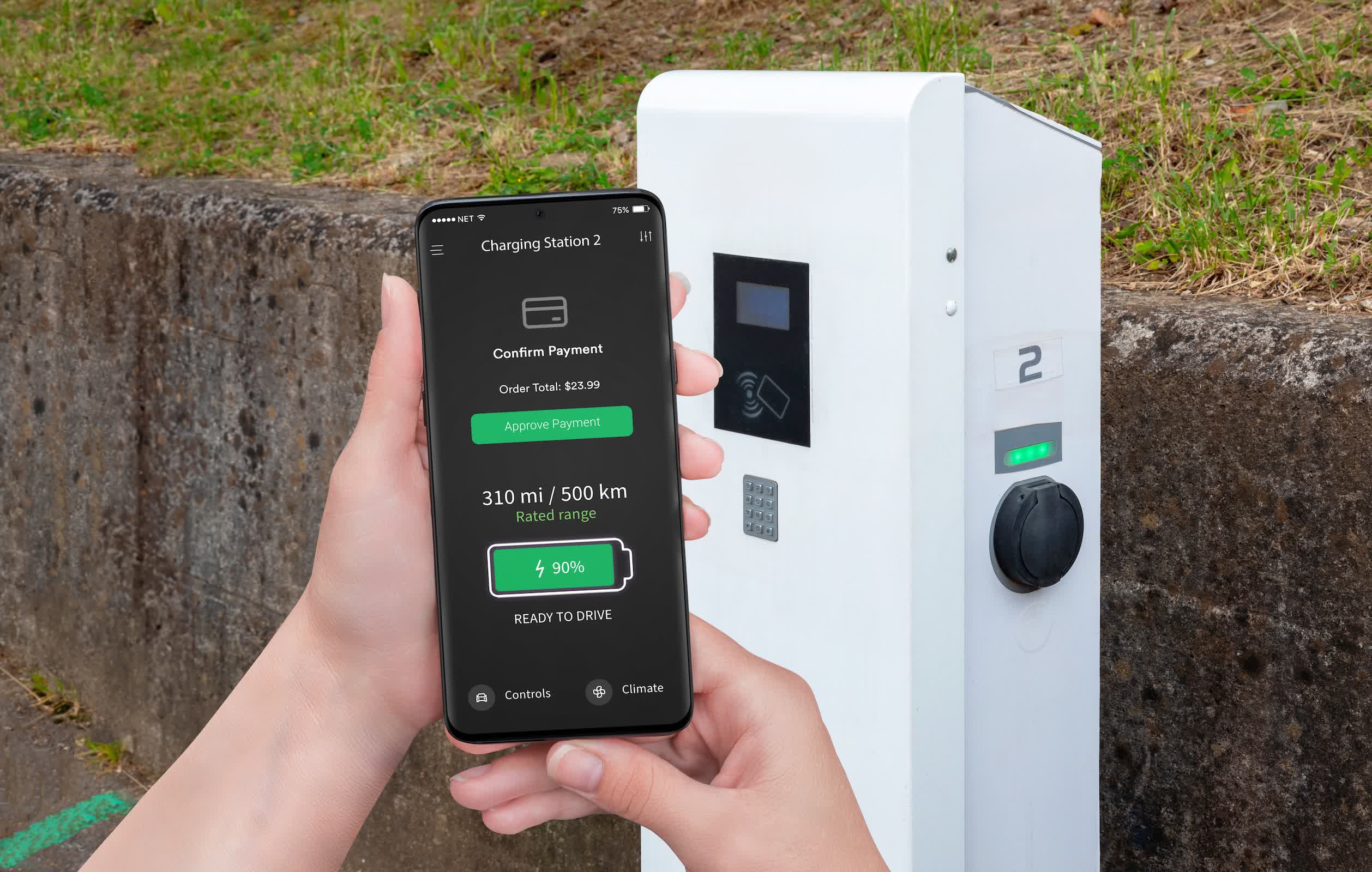
One driver in Sycamore, Illinois, shared a particularly stark example. Posting on Reddit under the name C1rcuitBoard, the user said they received a $671.60 charging bill at an MES-branded station.
"When I charged they were not displaying updated pricing in the app, so I didn't notice the issue," the user wrote. "I emailed the company to see if it was a mistake and I could get a refund, (but the company) doubled down, and even sent me their power bill to 'prove' they weren't overcharging me."
Stories like this point to a more technical problem behind the scenes. EV charging isn't just about plugging into a charger. It also relies on a network of software systems that manage pricing, billing, and real-time data shared with third-party apps. When those systems fall out of sync, the information drivers depend on can quickly become unreliable.
There's also a broader question of accountability. Many of these chargers are installed with public funding or incentives intended to expand access and support EV adoption. Yet there are few safeguards to ensure they continue functioning as true public infrastructure once they're up and running.
That gap is becoming more noticeable as the industry matures. EVs are improving, driving ranges are increasing, and more people are making the switch, yet the charging experience remains inconsistent in places where drivers expect reliability.
此内容由惯性聚合(RSS阅读器)自动聚合整理,仅供阅读参考。 原文来自 — 版权归原作者所有。