










Birds have spread their wings the world over, but they first took flight at least 150 million years ago, during the dinosaur age.
In his new book "The Story of Birds: A New History from Their Dinosaur Origins to the Present" (Mariner Books, 2026), Steve Brusatte, who is a paleontologist at the University of Edinburgh in Scotland, takes readers on a wild ride from the oldest known bird, Archaeopteryx from Jurassic Germany, through the eras, explaining how two-legged theropod dinosaurs evolved into the more than 10,000 species of birds alive today.
Like Brusatte's other books, "The Rise and Fall of the Dinosaurs: A New History of a Lost World" (William Morrow, 2018) — which landed him the role as scientific advisor on the "Jurassic World" movies — and "The Rise and Reign of the Mammals: A New History, from the Shadow of the Dinosaurs to Us" (Mariner Books, 2022), he starts each new section with a vignette, drawing readers into past worlds. You can read an excerpt on Live Science, detailing the discovery of the first known fossilized dinosaur feathers.
Live Science sat down with Brusatte to discuss the original purpose of feathers, how bird flight was an evolutionary accident, and why the modern era may present the biggest threat to birds since the dino-killing asteroid wiped out their relatives.
Laura Geggel: Alright, this is the big question: Are birds dinosaurs?
Steve Brusatte: Birds are dinosaurs. Birds are dinosaurs in the same way that a T. rex or a Triceratops is a dinosaur. And that is because birds evolved from other dinosaurs. They are part of the family tree. They are just a peculiar group of flying dinosaurs. Just like bats are a strange group of flying mammals.
LG: It's thought that birds evolved from shrinking, two-legged theropod dinosaurs. How did this come about?
SB: Birds did not evolve by, let's say, a T. rex mutating into a chicken one day. That's not how evolution works. And what we see from the fossil record is a whole series of transitional fossils of dinosaurs that lived tens of millions, even hundreds of millions of years ago, evolving one by one. [They evolved] the keystone features of birds: feathers, wings, wishbones, hollow bones and big chest muscles for flying. But these things didn't all just evolve at once. They did not evolve for flying. Almost all of these things evolve for other reasons.
We see things like feathers first turn up in dinosaurs that were too big to fly that lived on the ground. These feathers are much simpler than the feathers of birds today. So, we can actually tell that a lot of the things that birds need to fly, the things that make birds, are things that actually evolved in dinosaurs. They are dinosaur features that were repurposed later on by evolution to make a flying bird.
LG: What do feathers do for an animal? Why do we think dinosaurs had them in the first place?
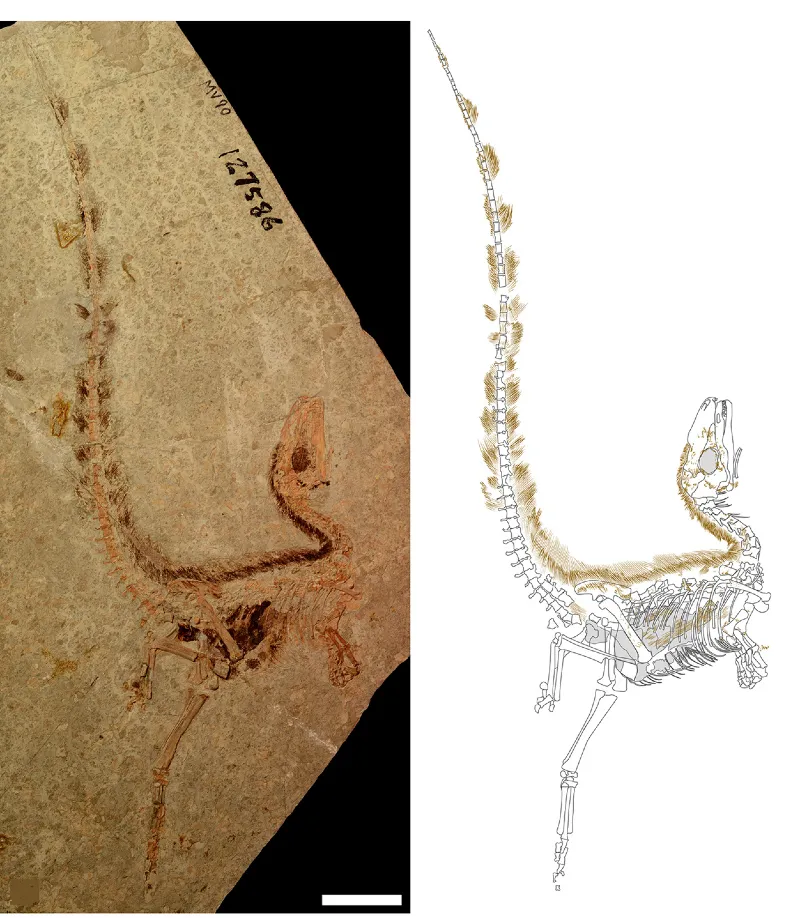
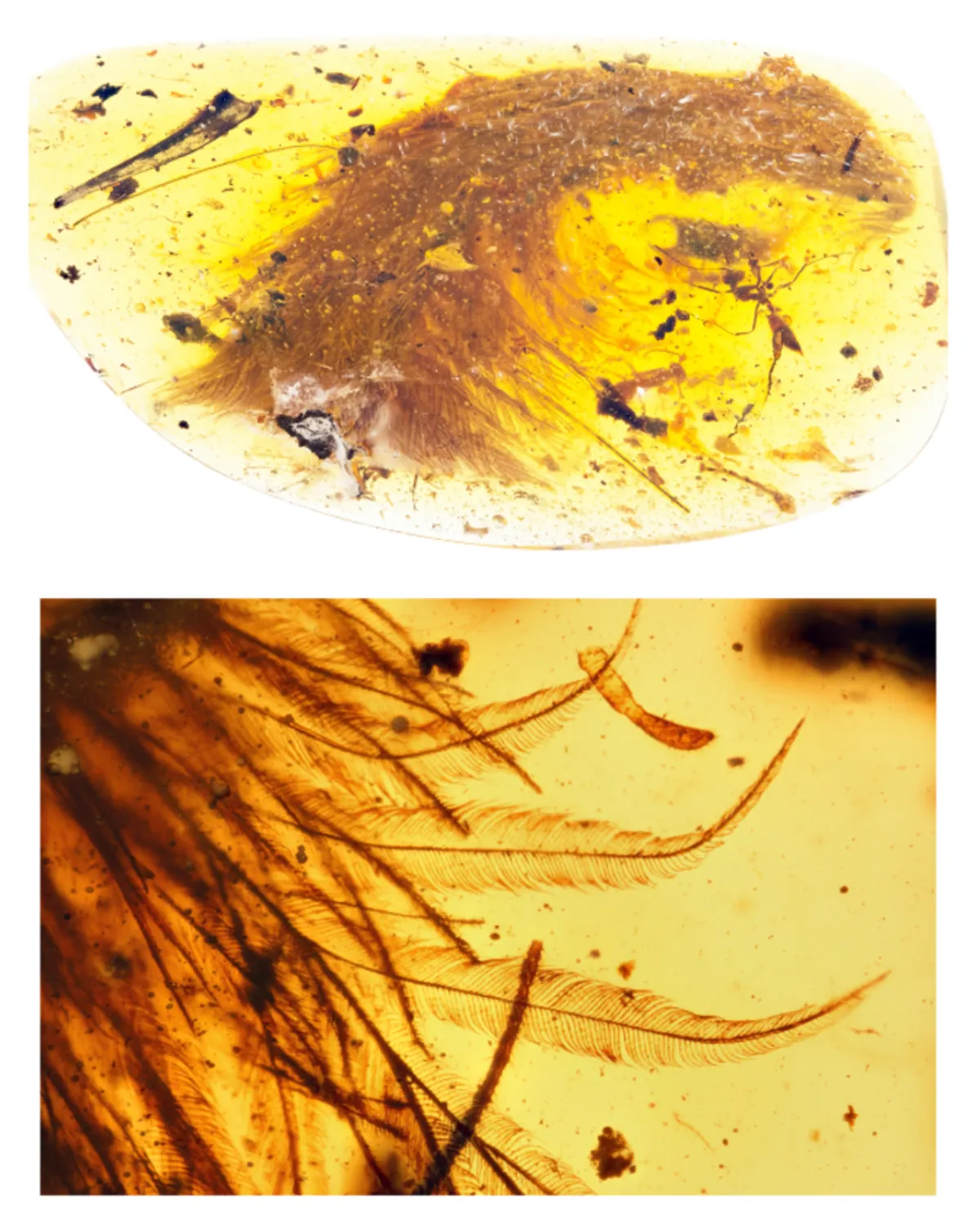
SB: There is nothing else alive today that has feathers. They are a bird hallmark, a calling card for birds. But what we see from fossils is that the ancestors of birds first evolved feathers. Lots of dinosaurs had feathers, so they're really a dinosaur feature.
And the incredible thing is that we see that a lot of dinosaurs had feathers. It isn't just one or two dinosaurs. And it's not even just the dinosaurs that are most birdlike or were the immediate ancestors of birds. It's many dinosaurs. There are meat-eating dinosaurs with feathers, there's plant-eating dinosaurs with feathers. There's little dinosaurs with feathers. Some of the raptor dinosaurs like Velociraptor [had feathers]. There are big dinosaurs with feathers. There's a tyrannosaur from China, a cousin of T. rex that was like 30 feet [9 meters] long that weighed something like a ton. Its body is covered in feathers.
So, if you map this onto the dinosaur family tree, really the only conclusion you can draw is that feathers were normal for dinosaurs. The common ancestor of dinosaurs would have had some kind of feather. But most of these feathers were very simple — they were not quill pens. They didn't make up wings. There's no way they could be used for flying. They looked a lot more like hair, just individual little strands similar to our hair.
The direct evidence from the fossil record [is] that feathers evolved in a simpler form. They must have been used for something else. We don't know exactly, but the best idea is that they evolved for the same reason that hair evolved in mammals, and that was to help regulate the temperature, to keep the body warm. We wouldn't really know that without the fossils. To me, as a paleontologist, that's the really cool part of the story. This is the evidence from many millions of years ago of how birds evolved.
LG: You've actually studied a number of fossils with feathers.
SB: I write about this in the story, the first time I saw a dinosaur wing. And I know it sounds hyperbolic, but it really was kind of a transcendent experience. And I'll explain why. So I was a college student at the time. I was in undergrad and I was on a trip with my mentor with Paul Sereno who's a very famous dinosaur hunter who's discovered dinosaurs all around the world. He brought me along as a research assistant and we were in China, and my god this was the first time I'd been to China, so far away from home. I grew up in the middle part of America. It was just sensory overload.
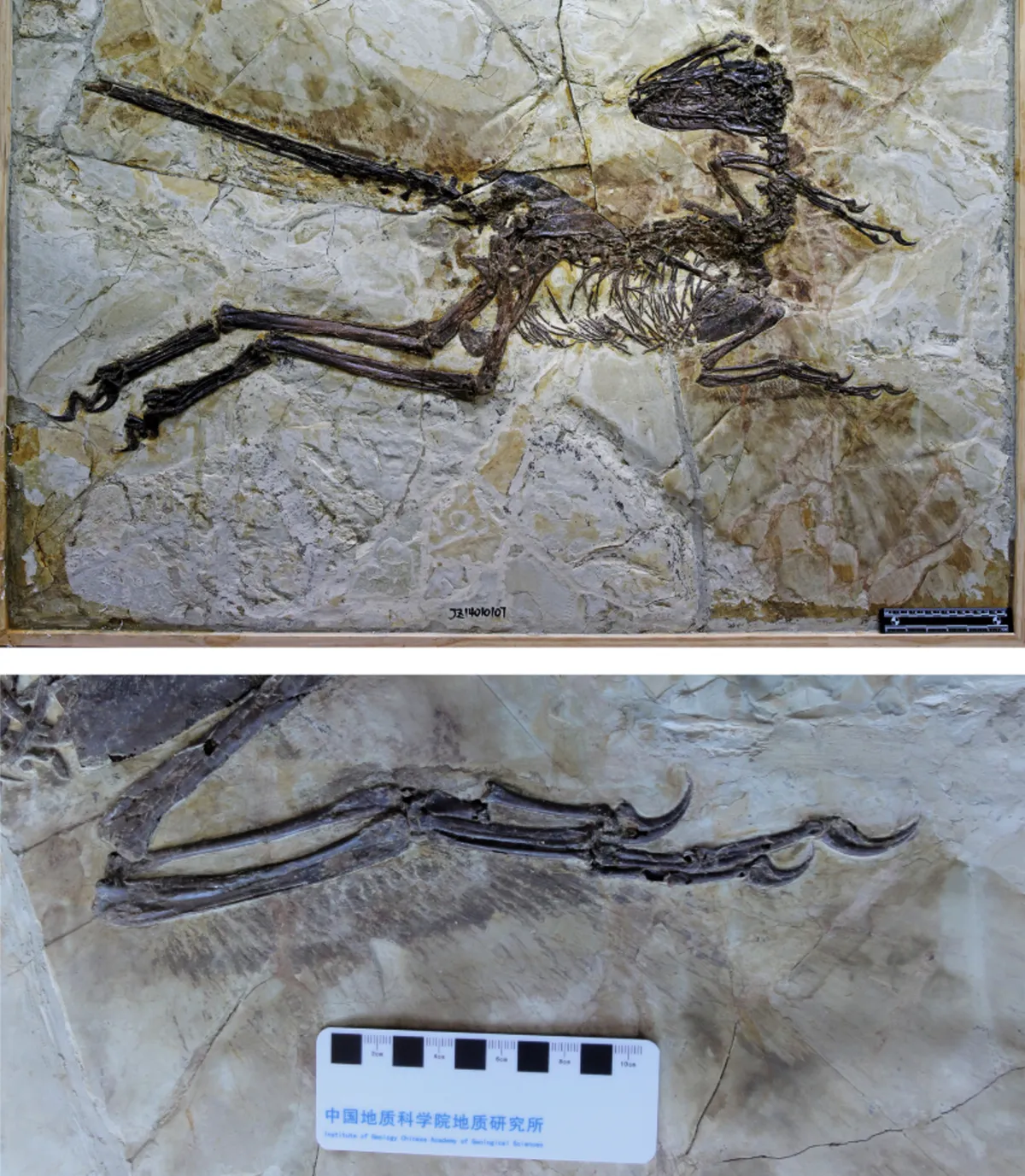
We were at the museum in Beijing and from across the room I saw on a limestone slab of rock, a dinosaur beautifully preserved. All the bones were there and it was surrounded by a halo of feathers and the arms were lined with quill pens that looked just like the feathers of modern birds.
Now, I had studied dinosaurs by this point. I was building a career in paleontology. I'd read all about birds and bird evolution. I knew that a lot of dinosaurs had feathers. But until it was in front of my own eyes, and until I saw just how similar those feathers were to the feathers of modern birds, how they formed a wing — but it wasn't a bird, it was a raptor dinosaur. Until that moment, it didn't really hit home.
So, I completely understand how this idea that birds evolved from dinosaurs or birds are dinosaurs, that can be a bit off-putting to people, a bit confusing. It just makes your head spin. But when you see it, you really see it. And since then, I've been very fortunate to go back to China to work with many great Chinese colleagues. To work at some of the museums where farmers from northeastern China bring in the fossils of these feathered covered dinosaurs. These were fossils that were formed about 125 million years ago. Volcanoes buried these entire ecosystems; they locked the soft tissues, the fine details into stone, and now the farmers in Liaoning province in China find these in abundance and bring them to museums.
It's been an incredible thing to play a small role alongside a lot of my good friends in China in studying some of these astounding animals that really capture evolution in action.
LG: The birds' reptile cousins, the pterosaurs, were already flying around when birds emerged. Did birds face much competition from their cousins?
SB: Yeah, it's a great question. A lot of people, rightly so, by the way, think that pterosaurs or pterodactyls, are dinosaurs. I mean, you often see them in dinosaur movies, you see them on the dinosaur posters and the dinosaur toy sets — but they're not actually dinosaurs. They're a separate group of reptiles that flew. They're close cousins to dinosaurs, but they are not dinosaurs, the same way a crocodile isn't a lizard.
Remarkably though, it was the pterodactyls that were the first animals with bones to ever evolve powered flight. And by that, I mean the type of flying where you have wings and you actively move those wings up and down to generate the lift and the thrust that you need for flying.
Plenty of animals can more passively fly and glide — flying squirrels, flying fish. But it's only been the pterodactyls, then later the birds, and then the bats among animals with bones that have evolved powered flight. And the pterodactyls did it by at least about 230 million years ago.
There are fossils of that age of fully formed pterodactyls with big wings, not wings made out of feathers. They did it differently. Their wings were made out of skin. They were attached to a single long finger like an E.T. finger. It was the fourth finger, the ring finger.
Now, Archaeopteryx is still the oldest bird [from] about 150 million years ago. That means that for about 80 million years, give or take, the pterosaurs were there alone in the air. I mean there would have been insects and other things, but among animals with bones, they were the only flyers.
So when birds came on the scene, when dinosaurs started to properly fly they were really interlopers in a pterodactyl world, and they really mounted an insurgency. They didn't just take over the world right away. For a long time, birds and pterodactyls lived together. And in fact, the pterodactyls only died when the rest of the non-bird dinosaurs died when the asteroid hit at the end of the Cretaceous 66 million years ago.
Again, you can do the math. That means that for more than 80 million years, there were birds and pterodactyls living together. Ultimately, really, it was just that asteroid that made the birds victorious. If not for that quirk of prehistory, who knows what the modern world might be like.
LG: There were multiple bird lineages, but only one survived the mass extinction. What set it apart?
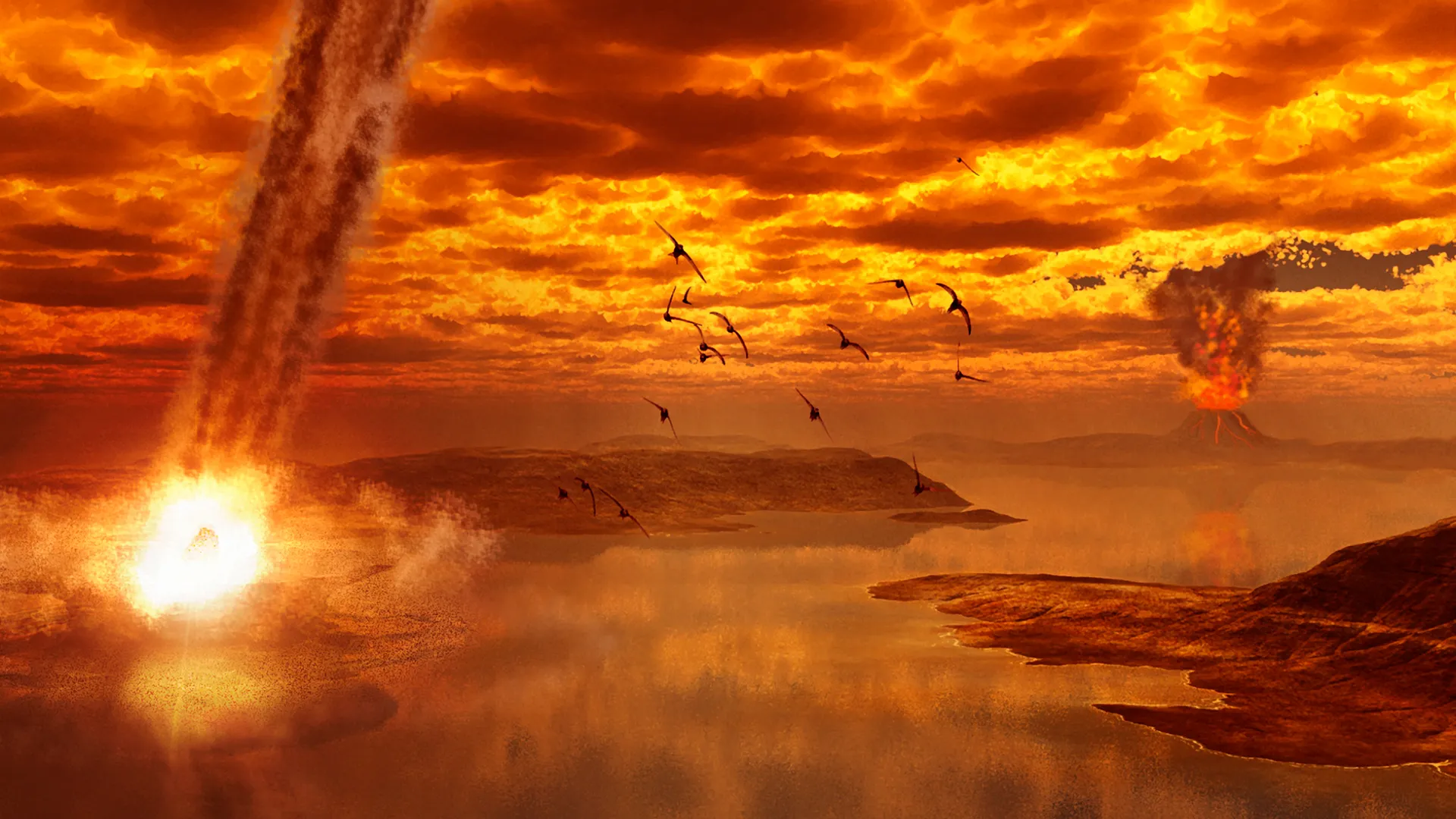
SB: The day the asteroid hit, the 6-mile-wide [10 km] rock fell out of the sky and triggered earthquakes and tsunamis and wildfires and blocked out the sun for many years, plunging the Earth into a long nuclear winter. I mean, this was carnage.
And 75% of all species died. Among the species that died, [were] yes, T. rex and Triceratops and the long-neck dinosaurs and the duck bill dinosaurs, but also all of the more primitive birds — the ones that still had teeth, that still had long tails, that still had big claws on their hands, like raptor dinosaurs. A whole bunch of those birds were living on the day the asteroid hit, and they didn't make it through.
The only birds that survived are the modern-style birds, the ones that we know. But these are the birds that have beaks instead of teeth. They're the birds that have big wings and big chest muscles so they can fly really well. They're the birds that grow really fast. We don't really see baby birds very much in nature. They are there. You can hear them sometimes in the nest, squawking for their parents to bring them food, but they stay babies for maybe a few months at most. So birds grow super quickly.
These are all things that probably would have helped them stare down that asteroid because when the asteroid hit, you had to confront that with whatever features you had, with whatever the reality of your anatomy or biology was. There was no time for natural selection to slowly, gradually, change you generation by generation. You had to deal with the fires and the earthquakes and the acid rain and the nuclear winter. It all came at you.
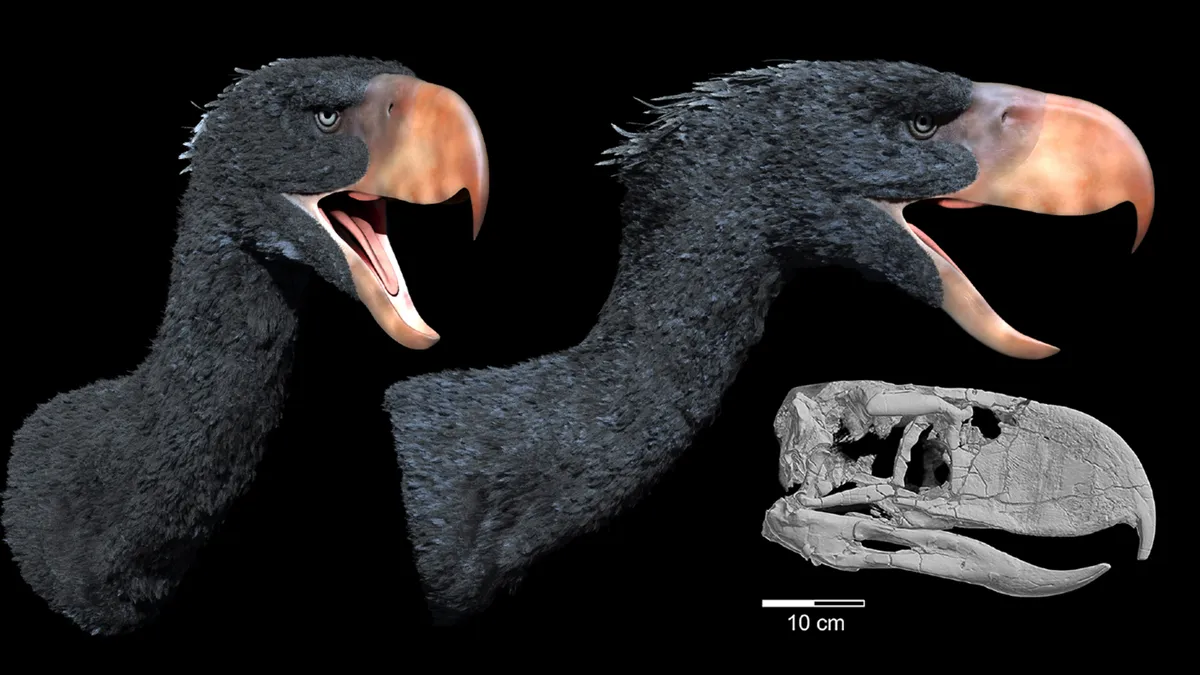
If you were able to grow fast, that would help you. You could get through childhood more quickly. You could turn over the generations more quickly [to reproduce and evolve]. If you could fly, that could help you. If you were small — and these birds were small — you could hide away more easily [from predators and the hazardous, post-asteroid world]. And if you had a beak, you could eat seeds. And we know a lot of these birds could eat seeds. We find the fossil gut contents, the last meal fossilized sometimes.
Eating seeds is actually quite difficult to do. There's not a whole lot of animals that specialize in seeds, but it would have been very important if you could do it when the asteroid hit, because when the sun was blocked for a few years by all the soot from the fires and the dust and the grime from the collision, the Earth really would have gone into a winter that lasted several years. It was dark. It was cold. There was very little if any sunlight for plants to photosynthesize. And so ecosystems collapsed like houses of cards.
If you were a plant eater and you ate parts of a growing plant like leaves or fruits or flowers, you'd be in trouble. I mean, that stuff would soon be gone. But we know from modern disasters, forest fires and volcanic eruptions and so on, that seeds can last in the soil longer than any other part of a plant. That's how forests regenerate after a natural disaster.
If you could eat seeds, that might have been your ticket to survive a little bit longer. You had food that other animals couldn't get.
LG: If you fast forward to today, birds are facing many challenges. Do you want to talk about a few and why their numbers are dropping?
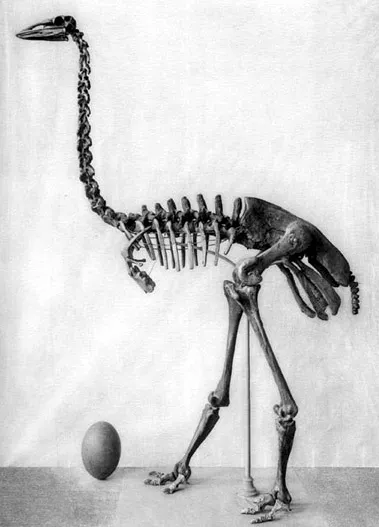
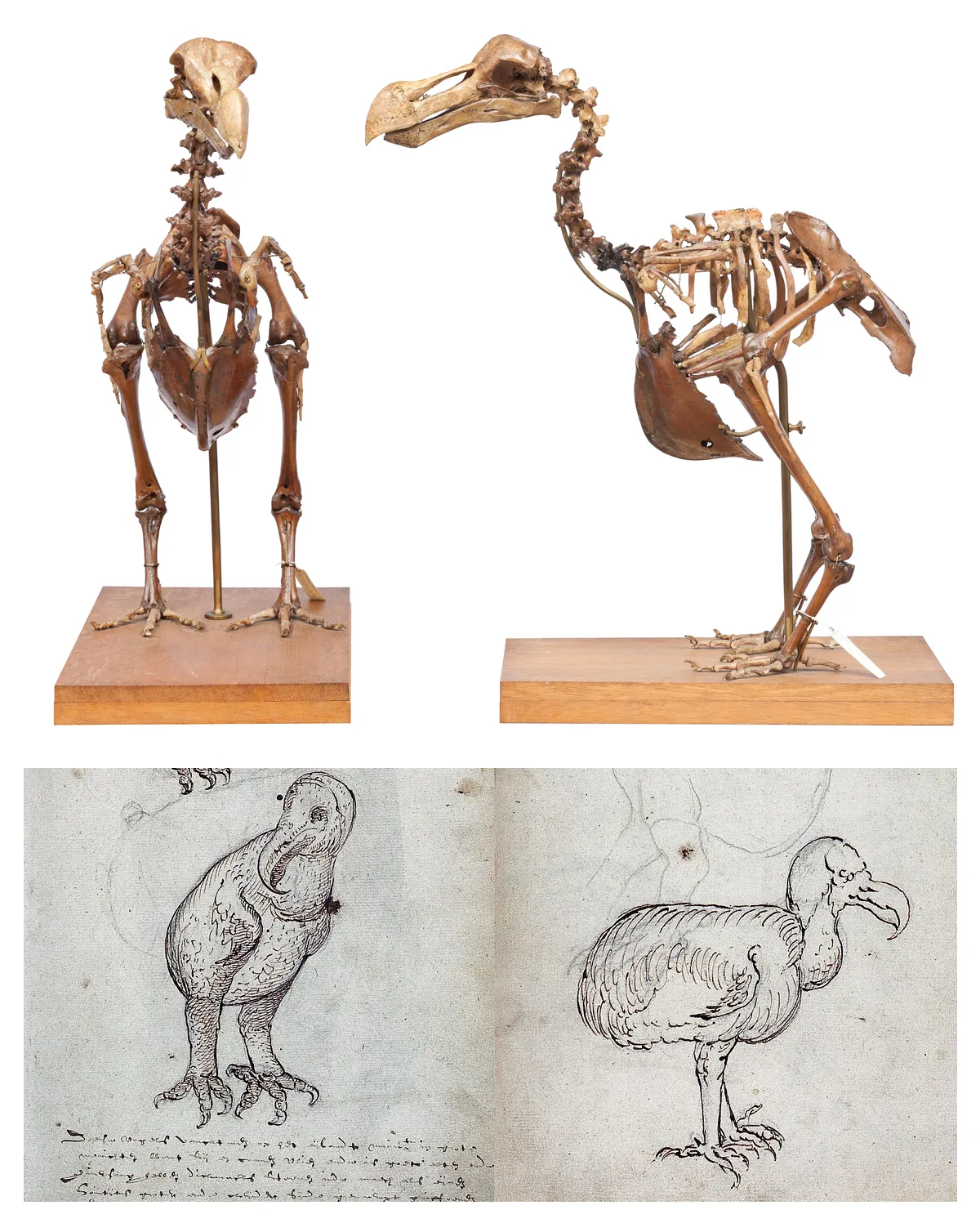
SB: I think birds today are facing their greatest challenge since they stared down the asteroid. There have been a number of birds that have gone extinct within human history. And many of those birds only lived in one place, often on one island. They're quite quirky birds, idiosyncratic birds, things like dodos, but also things like moas in New Zealand or elephant birds in Madagascar or a huge number of birds in Hawaii.
But extinction, I think, is really only part of the story. I mean, extinction is extinction. It's final. If the last member of a species dies, it's done. But you can have a species endure, but in a very wounded state.
That seems to be what's happening to a lot of birds, just since the time that my parents graduated from high school in the early 70s. There's been a loss of billions of birds in the standing population of North America. A lot of these species of birds, whether they're robins, different types of song birds, different types of owls or hawks or eagles … it's not that they've gone extinct, it's just that their populations have crashed. And it really is because of land use, it's because of fertilizer, it's because of pollution, it's because of climate change.
First of all, we just have to admit it's an issue, and then we have to find ways to try to mitigate against this. And I think that's where the fossil record comes in. If we have information from past extinctions or information from past episodes of environmental change, we can better understand which types of birds are more vulnerable when the climate changes or land use changes.
It is awesome to study T. rex, of course, but we do study fossils because we see them as relevant to understanding what's happening in the world today. They're clues from prehistory that give us insight. So that's where we're with birds. It is worrying, but I choose to be optimistic, for two reasons mainly.
First is that — bald eagles [and] California condors being two great examples — when we've realized that certain birds are in dire straits, we have done things to protect them. Bald eagles were super rare when I was growing up in the late 80s and early 90s, but by the end of the 90s, they were very common in northern Illinois, especially along the Illinois River, where I'm from.
Related stories
Now they have these tourist packages, especially in the winter, where you go and you just watch the eagles. There's so many of them fishing on the river. So, that's a great success story, and that gives me optimism.
The other thing that gives me optimism is [that] birds are survivors. If they got through the asteroid, they're survivors. If they've survived the gauntlet of climate change and volcanic eruptions and drifting continents and rising and falling seas and all the other things that have befallen the Earth over the last 150 million years, then at least some birds, I think, will be able to face whatever humans throw at them.
That's not an excuse for us to be completely disrespectful to the environment, but it does mean that in many ways I'm more hopeful that birds can endure than maybe even our own species. We might think it's the age of mammals. We're a mammal, of course. But at least in that way, we're still in the age of dinosaurs.
Editor's note: This interview has been condensed and edited for clarity.
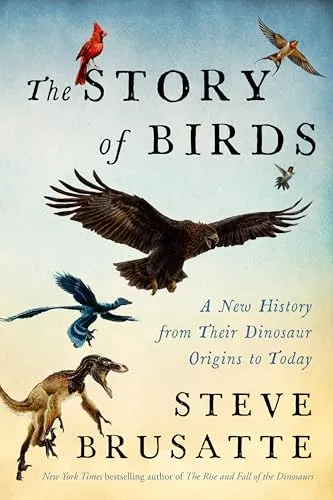
Mariner
The Story of Birds: a New History From Their Dinosaur Origins to the Present
In delightfully energetic prose, expert paleontologist Steve Brusatte takes us through their 150 million-year history, from their origins among small carnivorous dinosaurs to the 10,000-plus species that thrive today.
The Story of Birds will be published in the U.K. on June 11 and is available for pre-order.