

惯性聚合 高效追踪和阅读你感兴趣的博客、新闻、科技资讯
阅读原文 在惯性聚合中打开

推荐订阅源

WordPress大学
WordPress大学
The GitHub Blog
The GitHub Blog
T
Threatpost
人人都是产品经理
人人都是产品经理
大猫的无限游戏
大猫的无限游戏
Exploit-DB.com RSS Feed
博客园 - Franky
Recent Commits to openclaw:main
Apple Machine Learning Research
酷 壳 – CoolShell
酷 壳 – CoolShell
M
MIT News - Artificial intelligence
小众软件
小众软件
Hugging Face - Blog
Hugging Face - Blog
云风的 BLOG
云风的 BLOG
S
Security Affairs
P
Proofpoint News Feed
L
LINUX DO - 最新话题
宝玉的分享
宝玉的分享
S
Security @ Cisco Blogs
H
Hacker News: Front Page
Security Archives - TechRepublic
Vercel News
Vercel News
Engineering at Meta
Engineering at Meta
Know Your Adversary
Know Your Adversary
Y
Y Combinator Blog
美团技术团队
CTFtime.org: upcoming CTF events
月光博客
月光博客
量子位
博客园_首页
The Last Watchdog
The Last Watchdog
D
DataBreaches.Net
www.infosecurity-magazine.com
P
Privacy International News Feed
The Register - Security
Schneier on Security
H
Help Net Security
K
KPMG report finds enterprise disconnect between AI and its ROI | CIO
V
Visual Studio Blog
Google DeepMind News
F
Full Disclosure
C
Cyber Attacks, Cyber Crime and Cyber Security
MyScale Blog
MyScale Blog
aimingoo的专栏
aimingoo的专栏
S
Schneier on Security
L
Lohrmann on Cybersecurity
S
Secure Thoughts
Stack Overflow Blog
Stack Overflow Blog
Cloudbric
Cloudbric
Microsoft Security Blog

NVIDIA Blog

GeForce NOW Turns Up the Heat With New GeForce RTX 5080-Powered Toronto Server NVIDIA Nemotron Achieves Benchmark-Leading Performance With LangChain Deep Agents Harness AI Innovators Adopt NVIDIA Vera — Why Max Single-Threaded CPU at Scale Matters NVIDIA and Hugging Face Bring New Models and Frameworks to LeRobot for the Open Robotics Community How Open Models Are Driving AI Research How Nations Are Deploying AI for Strategic Priorities Joyride Through July With 12 Games Coming to GeForce NOW NVIDIA Unlocks AI Compute at Scale, Inviting Partners to Power the AI Infrastructure Buildout NVIDIA and Partners Build in America, for America NVIDIA BioNeMo Agent Toolkit Brings Accelerated AI to Life Sciences Researchers in Claude Science How NVIDIA’s Inference Software Stack Powers the Lowest Token Cost How Jaiveer Singh Is Helping Robots — and Developers — Move Faster Into the Omniverse: Three Workflows for Improving Vision AI Agent Accuracy With Synthetic Data and Fine-Tuning Claude Meets Blackwell Ultra: Anthropic’s Models Now Run on NVIDIA GB300 in Azure Firefly Aerospace Operates NVIDIA Jetson in Lunar Orbit for the First Time Open Models, Closed Environments: Palantir Brings Secure AI to US Agencies With NVIDIA Nemotron The Ultimate Summer Sale Pairing: Steam Sale Meets GeForce NOW Discounts NVIDIA and AWS Collaborate to Bring AI to Production at Scale How Businesses Are Building Specialized AI They Can Trust NVIDIA Powers Over 400 of the World’s 500 Fastest Supercomputers NVIDIA Brings Trusted, 24/7 AI Agents to Telecom Operations At ISC, JUPITER Shows What Exascale Science Looks Like NAIRR Science Program Reshapes Scientific Research, Powered by NVIDIA AI Infrastructure From Materials Simulation to Experimental Astronomy, New NVIDIA AI Software Unlocks Scientific Discoveries NVIDIA Vera CPU Opens the Way for Agentic Scientific AI at Los Alamos National Laboratory Eco Wave Power Turns Waves Into Watts With NVIDIA AI Infrastructure and Digital Twins Hotter Than a Hot Tub: The 45°C Breakthrough to Cool AI’s Biggest Machines How FERC’s Large-Load Interconnection Actions Help Address Grid Stress, Improve Affordability At Cannes Lions, NVIDIA Partners Reshape Advertising and Marketing With AI Sync and Stream: GeForce NOW Connects to Members’ Game Libraries Across Devices France Advances Europe’s AI Future With NVIDIA Technologies Hands Free, AIs Forward: NVIDIA XR AI Brings Agents to AR Glasses Coherent Breaks Ground on Expanded Texas Facility, Scaling AI’s Optical Backbone HPE AI Factory With NVIDIA Expands for the Era of Agents Fastest, Largest, Strongest: NVIDIA Blackwell Sweeps MLPerf Training 6.0 NVIDIA Blackwell Leads on First Agentic AI Infrastructure Benchmark Save Big and Play Bigger: GeForce NOW Summer Sale Brings Major Membership Savings For Robotaxis, Safety Must Be Built In, Not Bolted On NVIDIA Accelerates Google DeepMind’s DiffusionGemma for Local AI NVIDIA Confidential Computing to Help Expand Apple’s Private Cloud Compute How the UK Is Turning Sovereign AI Ambition Into Action With NVIDIA Technologies NVIDIA and LG Group Build an AI Factory to Advance Physical AI, Mobility and AI Infrastructure NVIDIA and Doosan Group Collaborate to Advance Physical AI and AI Factory Infrastructure NVIDIA, KRAFTON, NC and Reigning ‘League of Legends’ Champions T1 Celebrate RTX Spark at Korea’s PC Bangs Seoul Purpose: How NVIDIA and South Korea Are Building the Future of AI Forecast: Fun Ahead — 18 Games Join in June to Stream on GeForce NOW NVIDIA Research Unlocks Advanced Grasping, Smarter Autonomous Driving and Agent Training at Scale NVIDIA Enables the Next Era Of Physical AI Research With Agent Skills For Autonomous Vehicles, Robotics And Vision AI Industrial Software Leaders Build Secure, Autonomous AI Engineers With NVIDIA NemoClaw NVIDIA Partners With Microsoft on Unified Stack for Agentic AI Deployment, From Windows Devices to Cloud to Local Why Financial Institutions Are Converging on Transaction Foundation Models to Build Their Own Intelligence NVIDIA Jetson Brings Agentic AI to the Physical World NVIDIA AI Cloud Ecosystem Expands Worldwide to Meet Global AI Compute Demand NVIDIA Factory Operations Blueprint Gives Factories a New AI Brain Taiwan’s Industry Titans Turbocharge World’s AI Infrastructure Buildout With NVIDIA How Cosmos 3 Helps Physical AI Think Before It Acts NVIDIA Levels Up Local AI Agents Across RTX PCs and DGX Spark NVIDIA Research Advances Robotics From Simulation to the Real World The Name’s Gaming … Cloud Gaming: ‘007 First Light’ Launches on GeForce NOW NVIDIA Vera CPU Is ‘Packing a Heavy-Hitting Punch’ Against Competition NVIDIA GTC Taipei at COMPUTEX: Live Updates on What’s Next in AI License to Stream: ‘007 First Light’ Coming to GeForce NOW With an Ultimate Bundle NVIDIA and Google Cloud Empower the Next Wave of AI Builders NVIDIA CEO Jensen Huang at Dell Technologies World: ‘Demand Is Going Parabolic, Utterly Parabolic’ Vera Arrives: NVIDIA’s First CPU Built for Agents Lands at Top AI Labs Sea You in the Cloud: ‘Subnautica 2’ Early Access Dives Onto GeForce NOW NVIDIA, Ineffable Intelligence Team Up to Build the Future of Reinforcement Learning Infrastructure Hermes Unlocks Self-Improving AI Agents, Powered by NVIDIA RTX PCs and DGX Spark NVIDIA and SAP Bring Trust to Specialized Agents Linked and Loaded: Gaijin Single Sign-On Now Available on GeForce NOW NVIDIA and ServiceNow Partner on New Autonomous AI Agents for Enterprises It’s Gonna Be May: 16 Games Hit the Cloud This Month, With More NVIDIA GeForce RTX 5080 Power NVIDIA Launches Nemotron 3 Nano Omni Model, Unifying Vision, Audio and Language for up to 9x More Efficient AI Agents Into the Omniverse: Manufacturing’s Simulation-First Era Has Arrived Tag, You’re It: GeForce NOW Levels Up Game Discovery With Xbox Game Pass and Ubisoft+ Labels Making Sense of the Early Universe From Rainforests to Recycling Plants: 5 Ways NVIDIA AI Is Protecting the Planet NVIDIA and Google Cloud Collaborate to Advance Agentic and Physical AI Autonomous AI at Scale: Adobe Agents Unlock Breakthrough Creative Intelligence With NVIDIA and WPP No Need for Space Gear — Capcom’s ‘PRAGMATA’ Joins GeForce NOW on Launch Day Rethinking AI TCO: Why Cost per Token Is the Only Metric That Matters New Adobe Premiere Color Grading Mode Accelerated on NVIDIA GPUs Strength and Destiny Collide: ‘Samson: A Tyndalston Story’ Arrives in the Cloud National Robotics Week — Latest Physical AI Research, Breakthroughs and Resources From RTX to Spark: NVIDIA Accelerates Gemma 4 for Local Agentic AI Press Start on April: GeForce NOW Brings 10 Games to the Cloud Efficiency at Scale: NVIDIA, Energy Leaders Accelerating Power‑Flexible AI Factories to Fortify the Grid Into the Omniverse: NVIDIA GTC Showcases Virtual Worlds Powering the Physical AI Era Game On: Five New Titles Now Streaming on GeForce NOW The Future of AI Is Open and Proprietary Blowing Off Steam: How Power-Flexible AI Factories Can Stabilize the Global Energy Grid Advancing Open Source AI, NVIDIA Donates Dynamic Resource Allocation Driver for GPUs to Kubernetes Community How Autonomous AI Agents Become Secure by Design With NVIDIA OpenShell NVIDIA GTC 2026: Live Updates on What’s Next in AI Smooth Moves: 90 Frames-Per-Second Virtual Reality Arrives on GeForce NOW From Simulation to Production: How to Build Robots With AI More Than Meets the Eye: NVIDIA RTX-Accelerated Computers Now Connect Directly to Apple Vision Pro NVIDIA, Telecom Leaders Build AI Grids to Optimize Inference on Distributed Networks GTC Spotlights NVIDIA RTX PCs and DGX Sparks Running Latest Open Models and AI Agents Locally Snap Decisions: How Open Libraries for Accelerated Data Processing Boost A/B Testing for Snapchat
AI Factories: The New Infrastructure of Intelligence
Jeremy Graybill · 2026-05-28 · via NVIDIA Blog

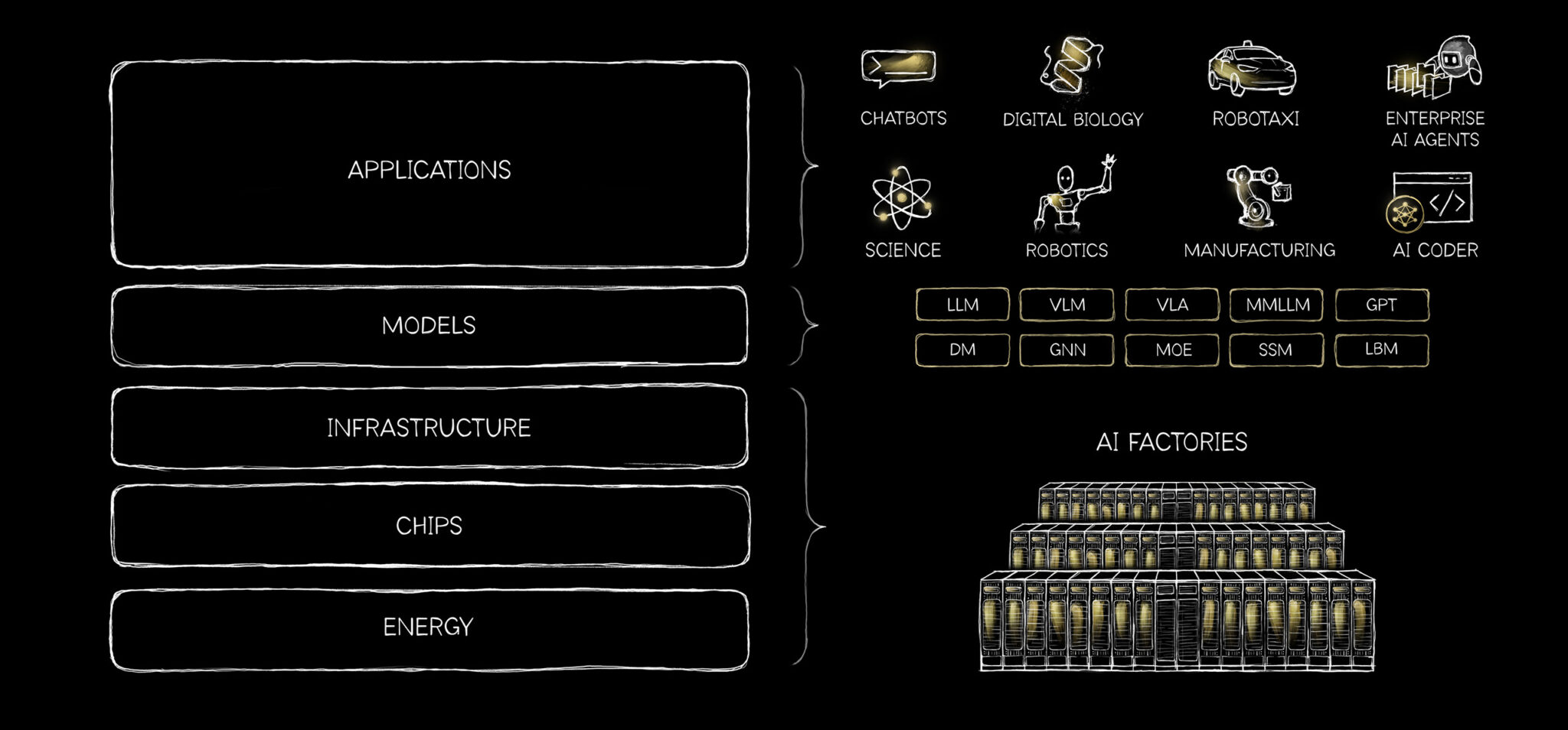
AI factories are a new class of infrastructure built to manufacture intelligence that’s always on and in real time. In the industrial age, power plants converted energy into electricity. In the AI age, AI factories convert energy into tokens — the unit of production for reasoning models, agents and intelligent systems. 

Their economics are defined by what they produce: tokens per second, tokens per watt, cost per token, utilization and uptime. In this model, performance per watt translates directly into revenue. Cost per token impacts the economics of every AI factory.

AI is no longer simply software. It’s essential infrastructure.
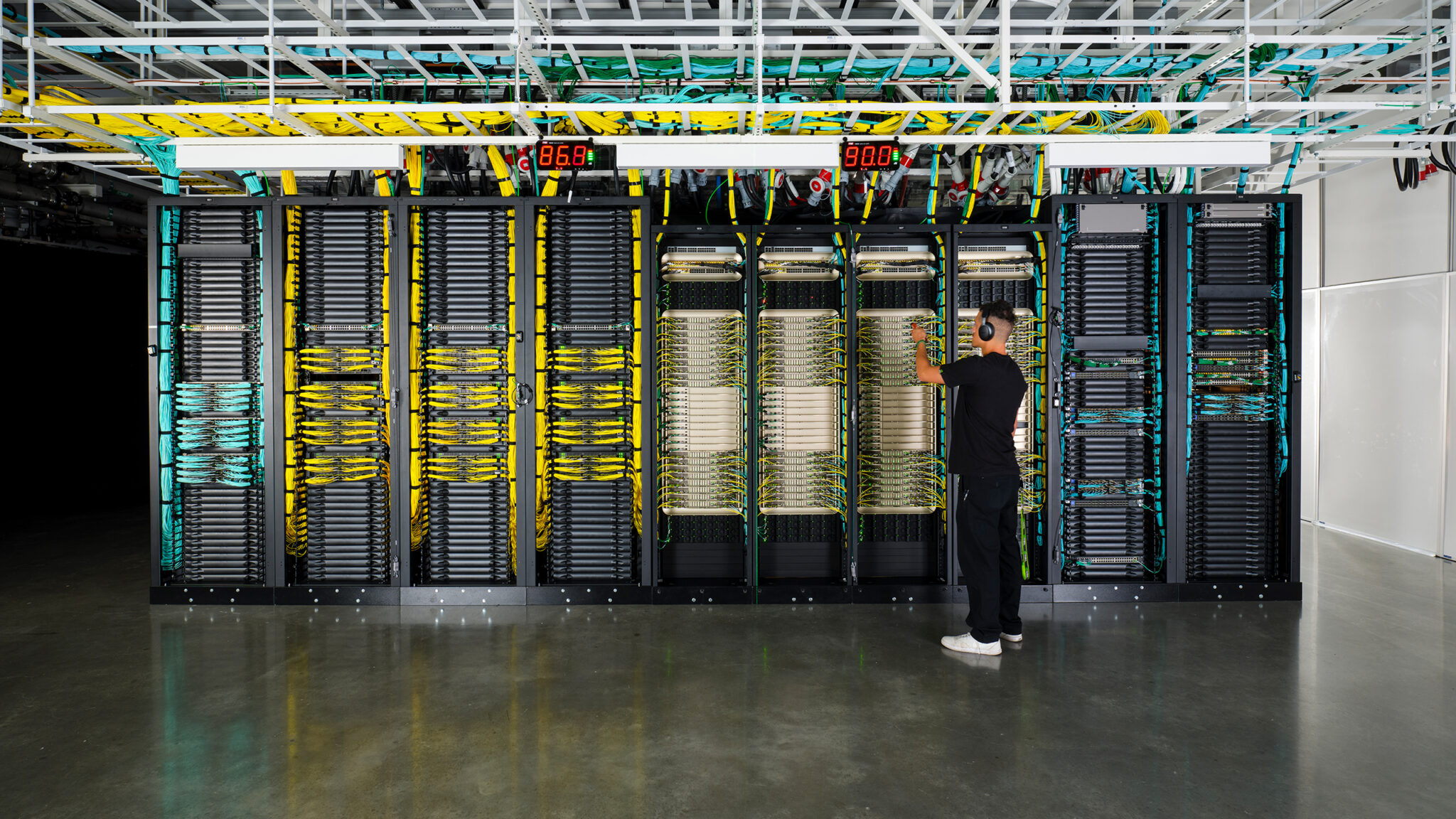
AI factories turn massive-scale infrastructure into continuous intelligence production.

AI factories synchronize massive compute resources while serving billions of requests. Software-orchestrated and comprised of autonomous, multi-agent systems that run continuously, they produce intelligence around the clock. Agentic systems reason and plan with the best-performing AI models, proprietary and open, including NVIDIA Nemotron. Open models can be customized for enterprises’ domain-specific needs, optimized and securely deployed — all on AI factories.
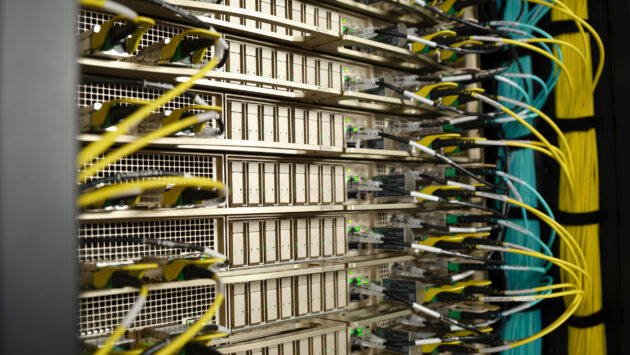
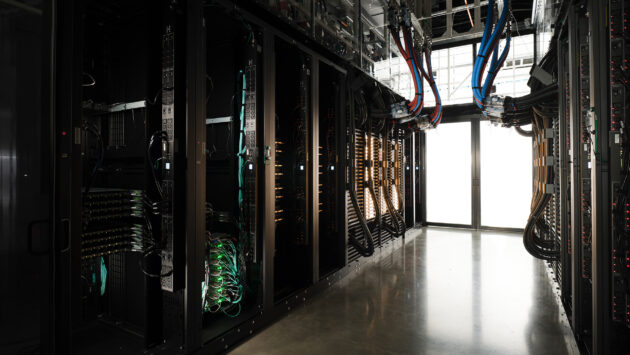
Operating in production today, AI factories are optimized across the entire stack — including models, compute, networking, memory, software, storage, power and cooling — to keep intelligence in continuous output.

Agentic AI generates synthetic training data, creating scenarios that help autonomous systems learn from the next edge case.

Agentic AI Changes the Workload

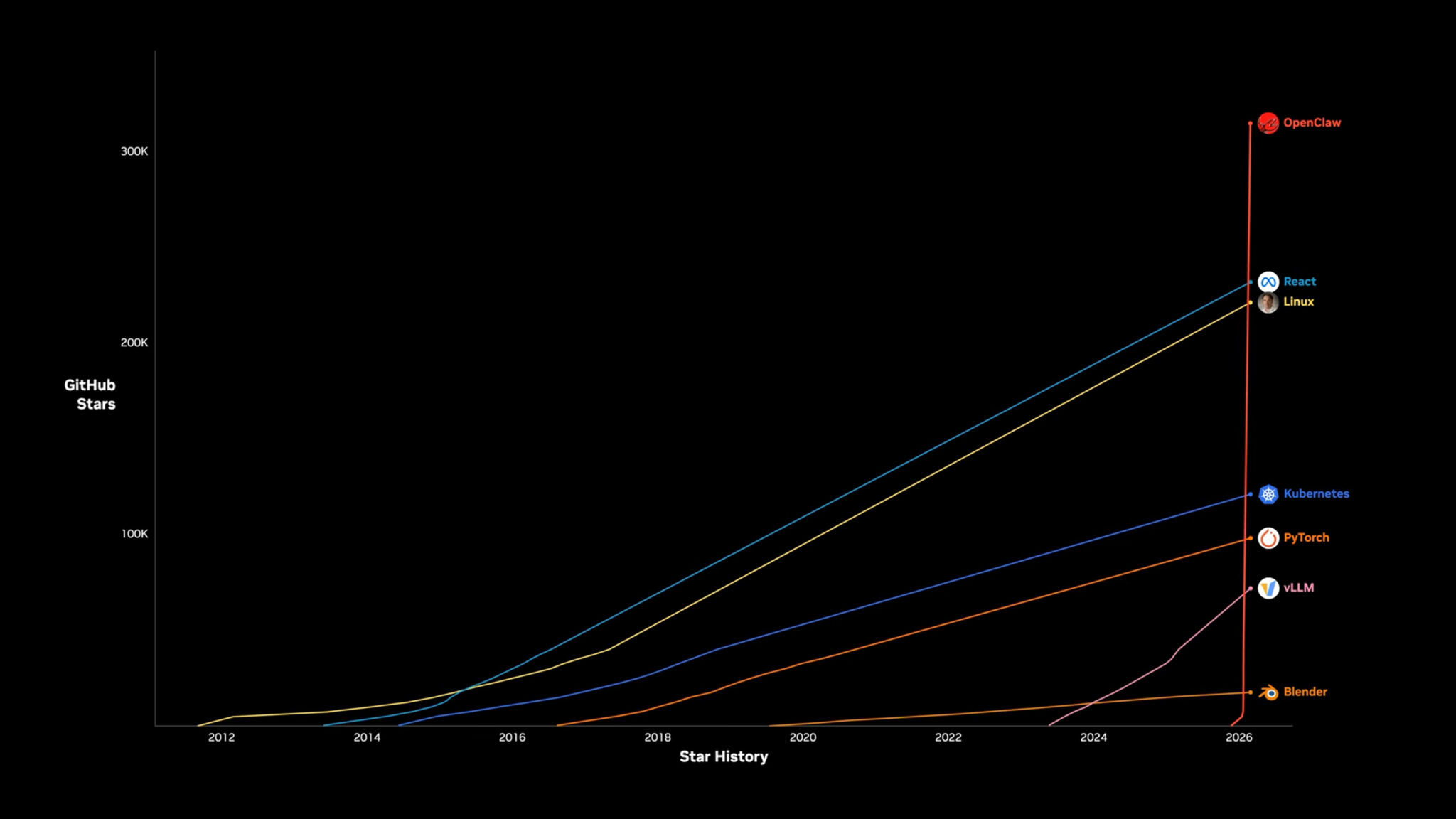
AI factories are built for a new kind of workload: always-on inference that does more than answer a prompt. Autonomous agents reason, plan, search, use tools, retrieve data, write code and take action. They create their own sub-agents that learn how to use domain-specific tools and develop their own AI skills. These multi-agent systems make AI workloads longer, deeper and far more compute-intensive. This also changes what the infrastructure must do. Performance depends on keeping the entire workflow moving efficiently so intelligence stays in production for the next step, the next action and the next decision.
Autonomous Agents Reshape the Architecture

Autonomous agents depend on accelerated compute paired with fast memory, storage for context, networking for coordination, software for orchestration and CPUs for execution. The workload moves across the stack, often with tight latency requirements at every step. AI factories comprise full-stack systems designed to keep those workflows moving continuously with the throughput, responsiveness and utilization needed to produce tokens efficiently at scale.

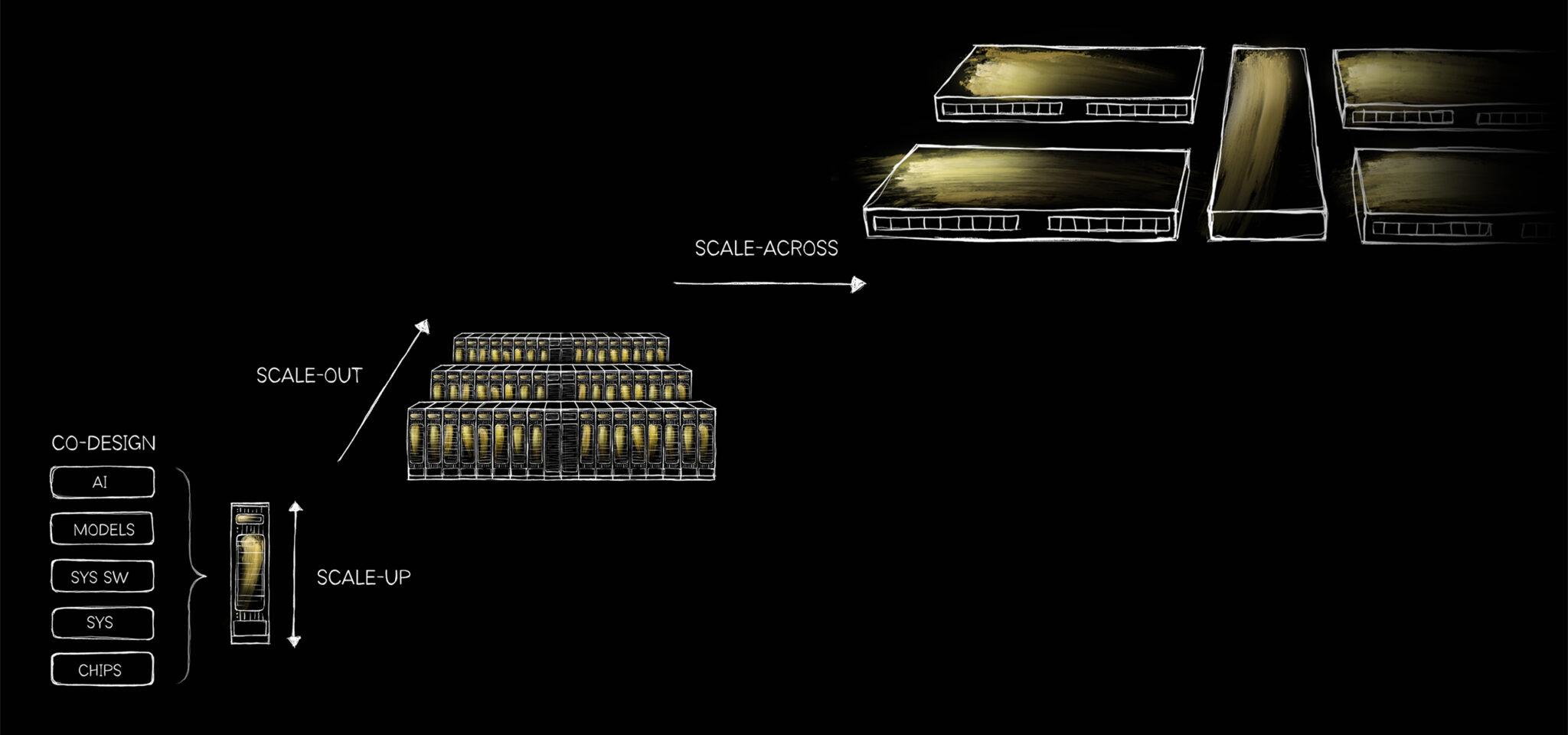
AI Factories Rely on Extreme Codesign

Hardware, networking, memory, storage and software are architected together with continuous optimization at every layer to increase utilization, lower cost per token and raise output. They balance responsiveness for always-on, interactive AI workloads with the throughput needed to maximize production.

Inference Is a Real-Time Orchestration Challenge

As AI workflows grow longer and more interactive, the factory has to run in real time. That means routing requests, managing memory, coordinating services, balancing latency and throughput, and keeping utilization high across the stack. In AI factories, the software layer is critical because the ability to run the factory efficiently determines how much intelligence it produces and how much value it creates. Inference has become a live orchestration challenge that spans the full machine.
But operating an AI factory efficiently starts long before the system goes live. The same full-stack codesign required for inference also changes how AI factories are planned, validated and brought online.

In AI compute, performance per watt has become the ultimate measure of competitiveness for AI factories. Data centers once stored files. Now, AI factories produce tokens. For producers of AI, that output directly affects revenue. For enterprises, cost per token determines whether they can profitably scale AI.

SemiAnalysis InferenceX benchmarks quantify this shift in real-world terms. The NVIDIA Blackwell Ultra GPU delivers the lowest cost per token, allowing AI factories to produce more intelligence from the same power envelope at a lower unit cost. More tokens per watt means greater throughput per unit of infrastructure cost, space or power. Lower cost per token improves the economics of inference at scale.
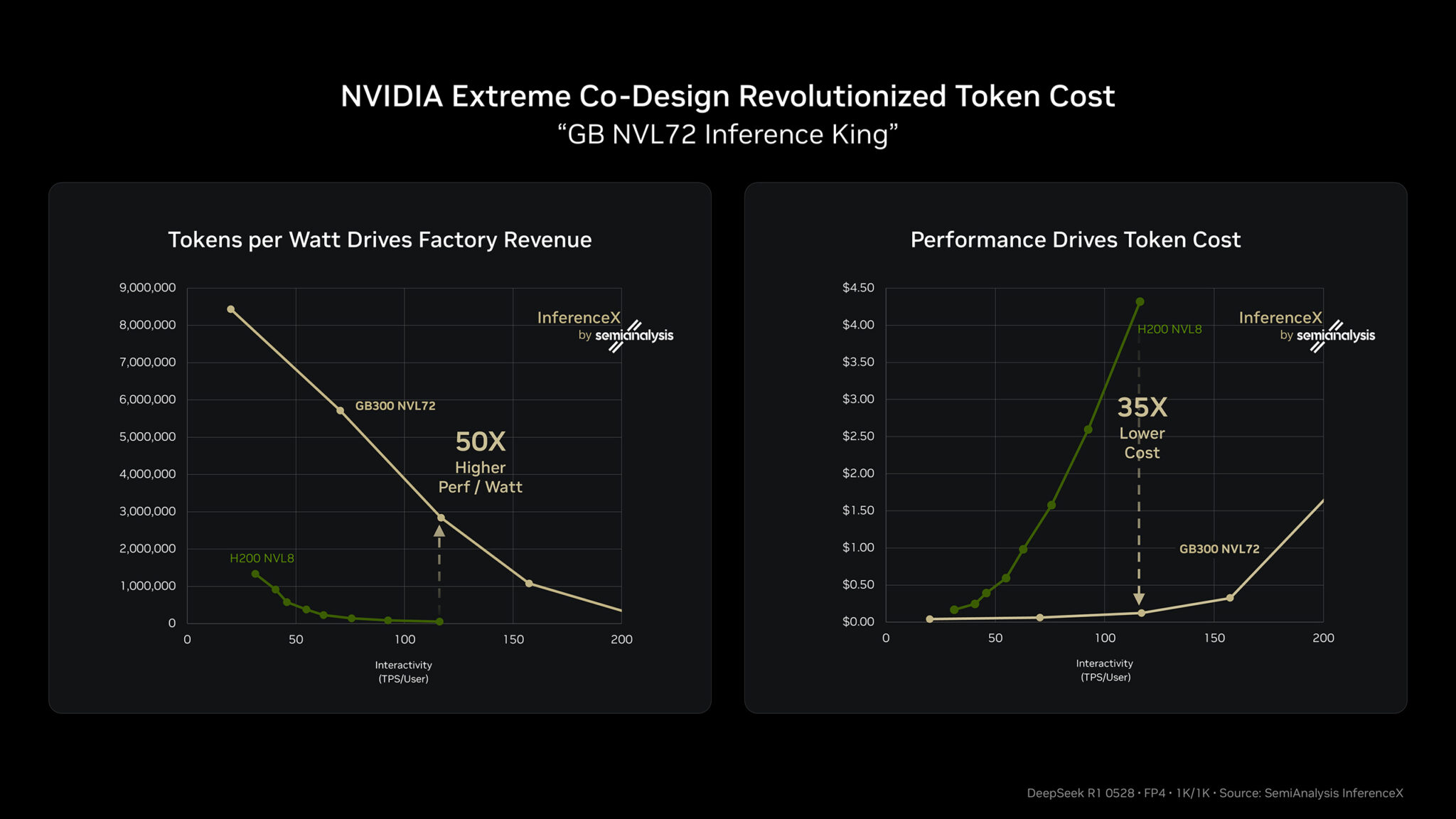
NVIDIA GB300 NVL72 systems generate 50x more tokens per megawatt than the prior generation, resulting in 35x lower cost per token compared with the NVIDIA Hopper platform.

AI factories built with NVIDIA Blackwell Ultra deliver up to 50x higher throughput per megawatt, leading to 35x lower cost per token — balancing performance, responsiveness and energy efficiency at scale. The NVIDIA Dynamo framework helps orchestrate long-context reasoning and massive inference throughput, keeping utilization high as workloads become more interactive and complex. Together, they show how AI factory performance is now measured: by how efficiently a factory can produce intelligence in real time.
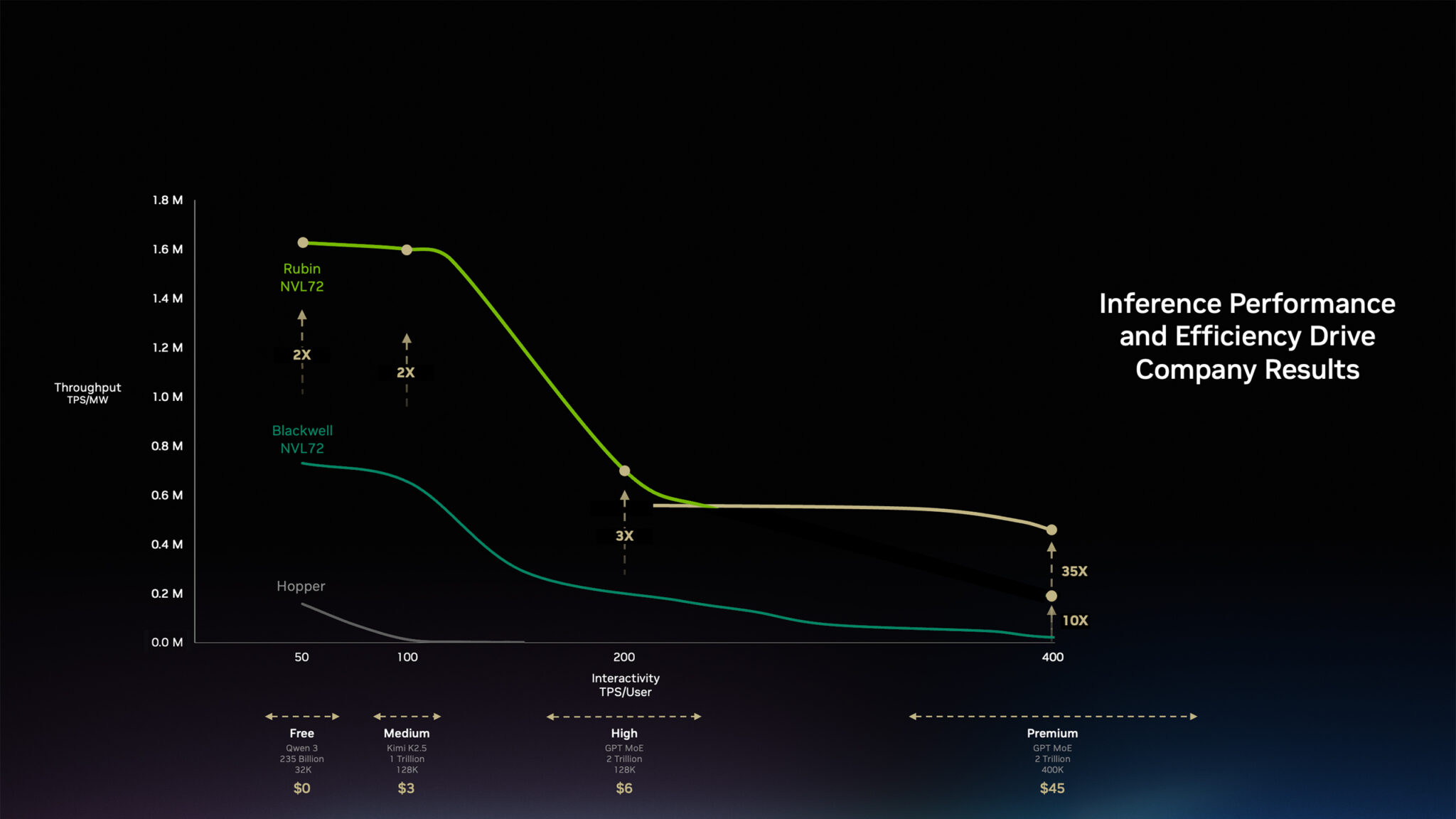
The NVIDIA Vera Rubin platform extends that curve again. As reasoning and agentic AI continue to scale, Vera Rubin-based systems are designed to push performance per watt up to 35x higher with LPX and drive token cost lower through deeper full-stack optimization. The result is more efficient intelligence production at the factory level.
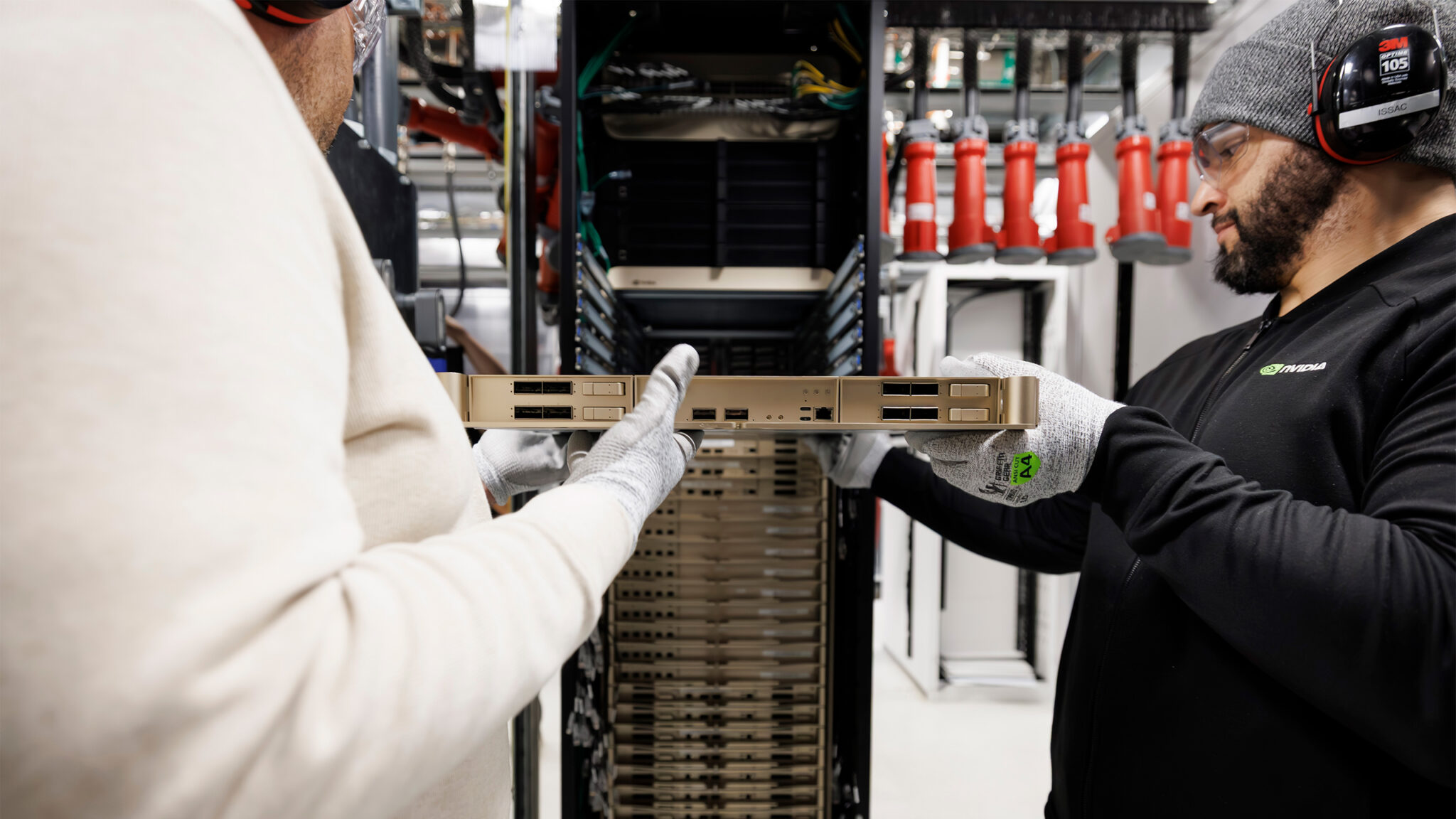
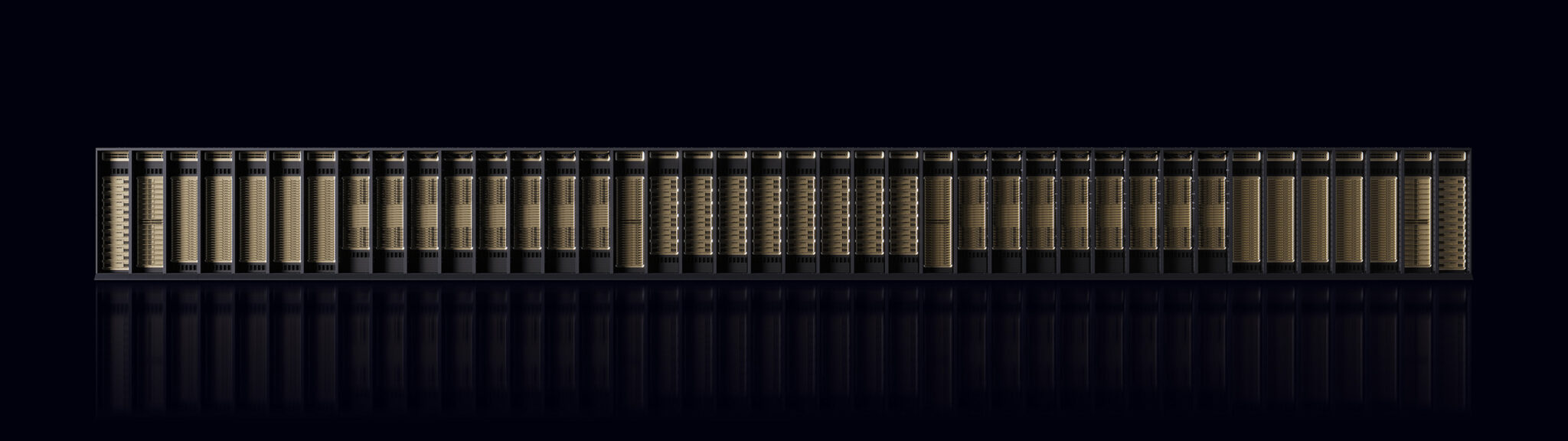
The NVIDIA Vera Rubin platform.

From Chips to Full-Stack AI Factories

What began with GPUs has expanded into full-stack AI factories comprising accelerated compute, high-speed interconnects, liquid-cooled systems, inference software, autonomous agents, reference architectures and the ecosystem needed to build and operate them at scale. 

Full-stack AI factories are part of the broader ecosystem that NVIDIA is helping define and build. NVIDIA closely collaborates with global system partners such as Cisco, Dell, HPE, Lenovo and Supermicro to bring AI infrastructure to enterprise data centers. NVIDIA also relies on a curated ecosystem of AI software partners to build AI solutions for each enterprise’s use cases. This ecosystem supports a choice of models, across proprietary and open options.

These AI factories can be deployed for a wide range of use cases, from agentic AI workloads to physical AI and robotics. Every organization in every industry — from financial services and life sciences to manufacturing and the public sector — will need to build or rent an AI factory.

NVIDIA runs its own enterprise AI factory to accelerate development across the company, with hundreds of autonomous AI agents assisting engineering, software and operations teams. It’s a practical proof point: AI factories can transform how companies build, design and operate. They can increase productivity inside the enterprise, turning AI from an occasional tool into a capability woven directly into daily work.

AI factories can start small to support one business unit or workload, or they may be built from the ground up to support high-performance AI inference and training at massive scale. NVIDIA DSX reference designs unify design, simulation, operations and ecosystem technologies to build gigawatt-scale AI factories at the lowest token cost per megawatt.

Building these gigawatt-scale AI factories requires a lot more than optimized compute. It requires a shared digital environment where facility design, hardware systems, power, cooling and operations can be modeled together before build-out and continuously improved after deployment. The NVIDIA Omniverse DSX Blueprint supports this workflow with digital twins that connect facilities, hardware and software, using Omniverse, OpenUSD and SimReady assets to help partners validate designs and optimize operations across the AI factory lifecycle.
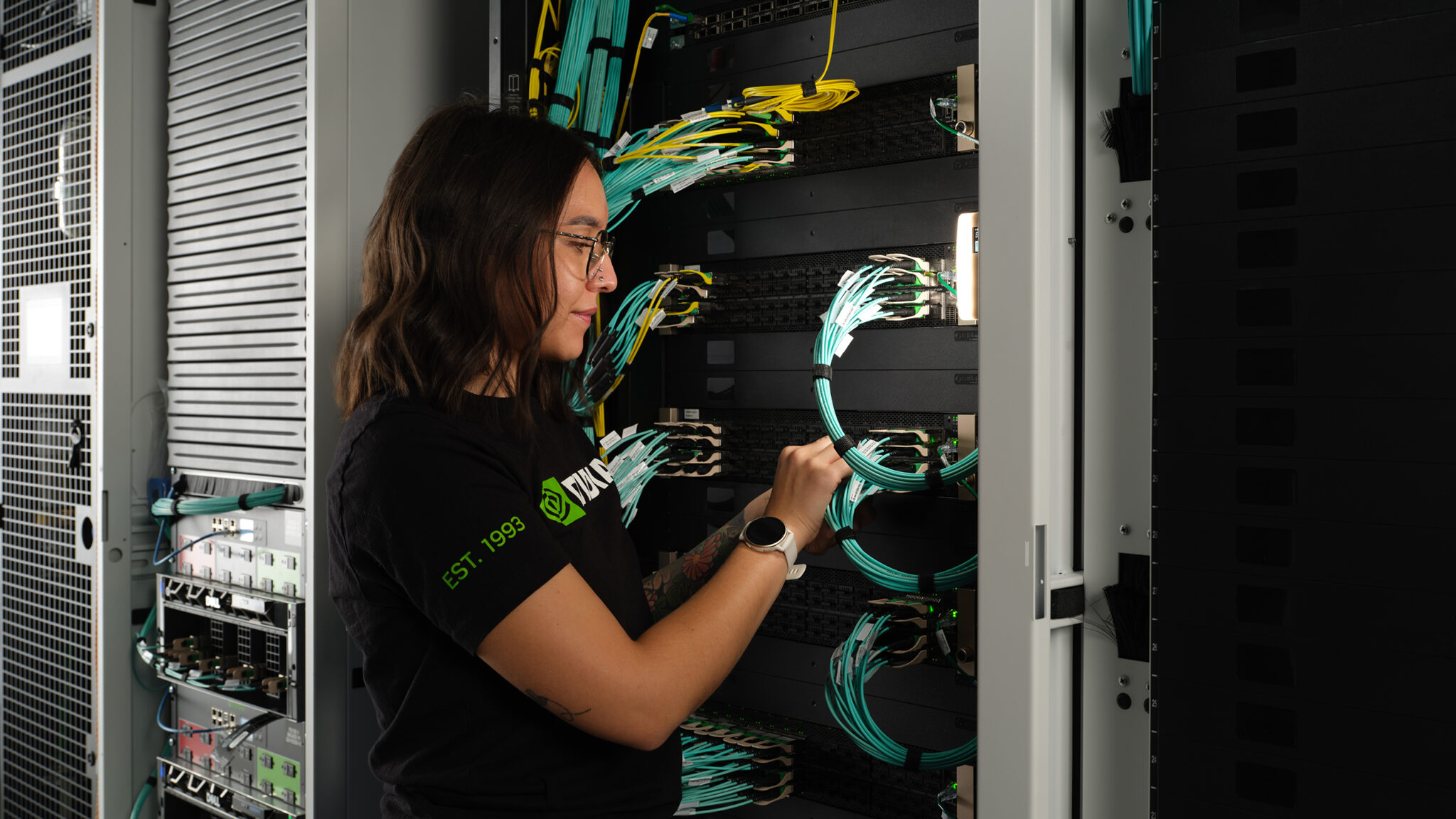
A full-stack approach helps organizations extract more intelligence from every system, turning AI infrastructure into an autonomous, always-on engine of reasoning, action and insight. The last industrial revolution converted energy into work. This one converts energy into intelligence. AI factories are the infrastructure of this new era, built to power the next wave of economic growth.

Learn more about how AI factories are the industrial infrastructure of the AI era. Watch NVIDIA founder and CEO Jensen Huang’s keynote at NVIDIA GTC Taipei at COMPUTEX — Monday, June 1, at 11 a.m. Taipei time.