











In Brenda Obare’s Kibera kitchen, a blue flame once lit up for dinner. Now, her stove is often cold.
In Nairobi’s vast Kibera settlement, she crouches over a charcoal burner, coaxing a smoky fire to cook for her family outside her tin-roofed home. Cooking gas is now too expensive and often unavailable; charcoal, however, is always there.
"We don’t have many options," she said. "You use what you can afford." Such stories are increasingly prevalent, a direct result of energy disruptions stemming from the Iran war.
While governments championed cleaner fuels like LPG for health and conservation, escalating costs are now eroding these advancements.
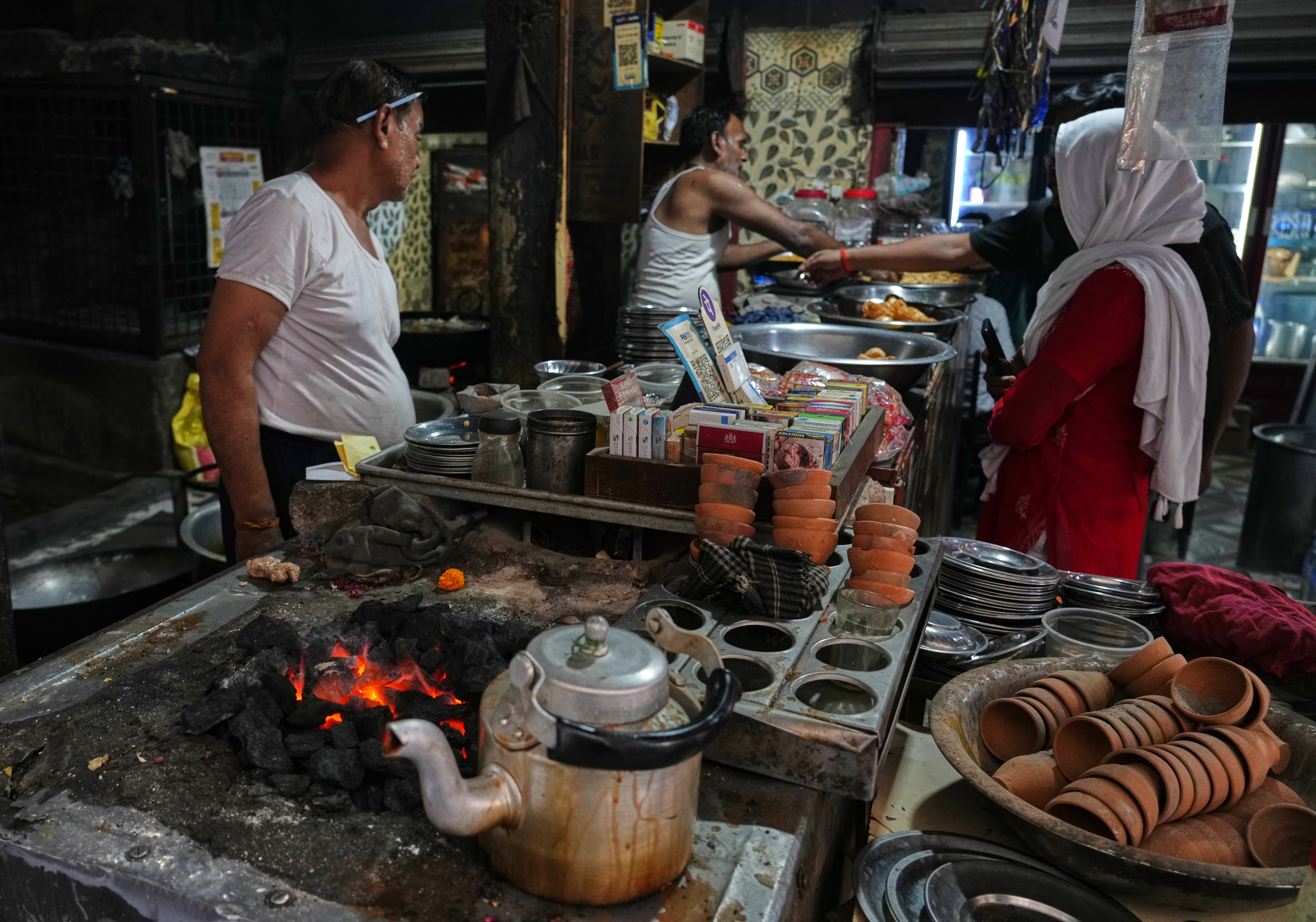
The repercussions extend beyond fuel pumps, affecting kitchens, forests, and wildlife habitats. Across Africa and South Asia, years of governmental efforts to shift households from charcoal and firewood to cleaner fuels like LPG are now faltering.
This push was driven by concerns over air pollution risks, which killed 2.9 million people in 2021, according to the World Health Organization. It also focused on conservation, as firewood and charcoal use increase pressure on forests and wildlife, accelerating deforestation when trees are cut faster than they regrow.
As more people search for fuel in the forest, they are encountering wildlife. At the same time, economic pressures can drive more poaching and bushmeat hunting, increasing the chance of diseases spreading from animals to people.
Falling tourism means less funding for conservation, while high fuel costs make it harder for field teams to operate and respond quickly when wild animals enter human areas.
“The longer this debacle runs, the harder it is going to hit conservation,” said Mayukh Chatterjee, the International Union Conservation for Nature's co-chair for its conflict and co-existence specialist group.
Rising costs push families into forests for fuel
When LPG, kerosene or electricity become too expensive or unreliable, many families turn to firewood and charcoal because they are easier to get in cash-poor settings, even though they harm the environment, said Paula Kahumbu, a wildlife conservationist, and CEO of Nairobi-based WildlifeDirect.
"The first conservation risk from an energy shock in Africa is not abstract. It is household fuel switching,” she said.
Rising demand for biomass fuels also degrades watersheds and wildlife habitats as people go deeper into previously undisturbed areas, increasing pressure on ecosystems and the species that depend on them.
Experts fear that rising diesel prices and higher fertilizer costs will also hurt farm productivity, reducing yields and increasing food insecurity.
“The crisis is impacting more than forests,” Kahumbu said.
Charcoal, made by slowly burning wood in kilns, is one of the most widely used cooking fuels in sub-Saharan Africa and a major driver of deforestation. Demand is climbing among customers in Nairobi’s low-income settlements, according to charcoal seller Munyao Kitheka.
A similar shift is underway in India, the world’s second-largest LNG importer, with about 60 per cent of its supply coming from the Gulf region, according to S&P Global.
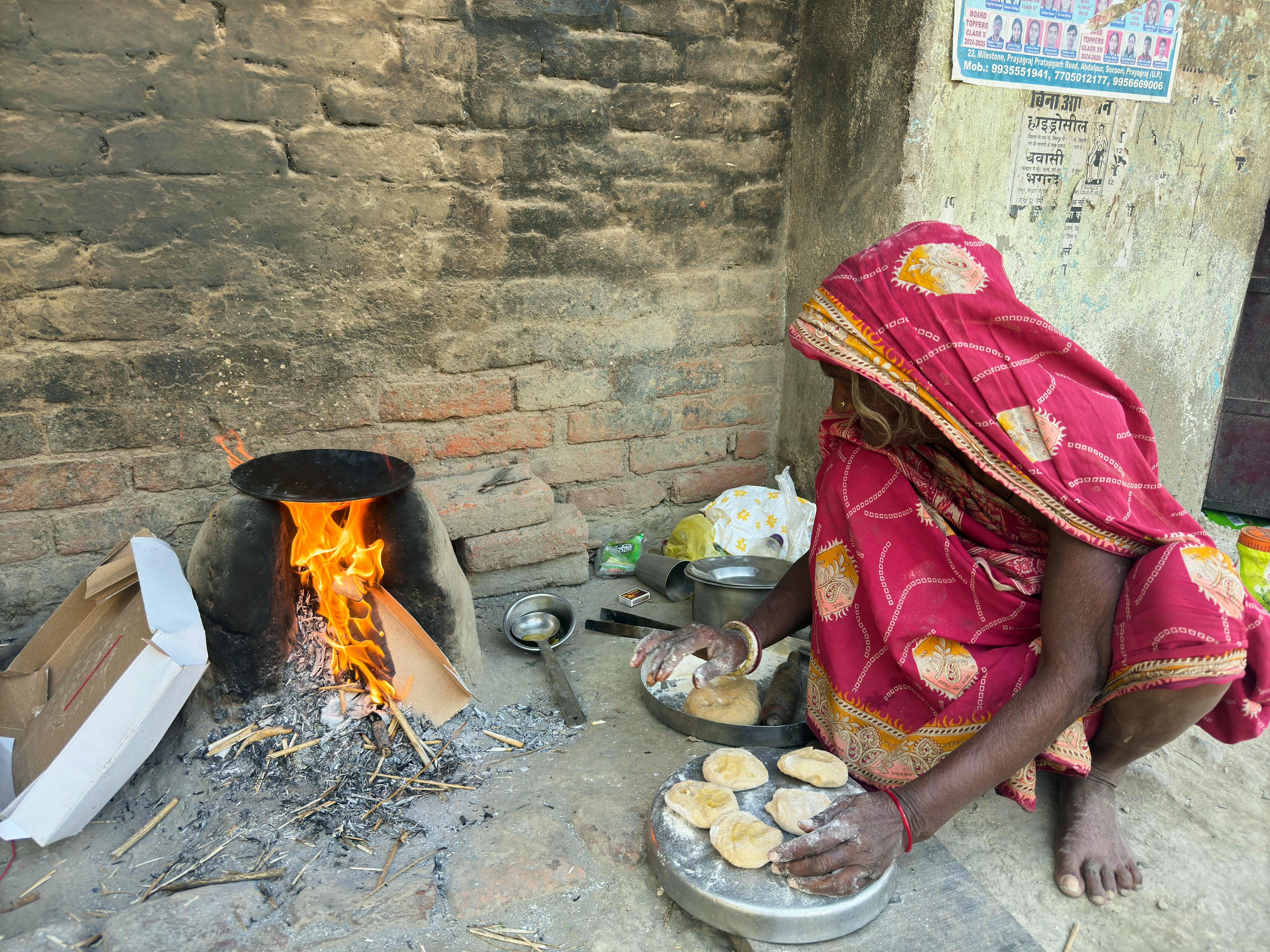
Rama, a social worker who goes by only one name, spent years encouraging waste-picking families in Bhalswa, a poor neighborhood in the outskirts of the capital New Delhi, to adopt LPG. But with incomes below $3 a day, many can no longer afford pricier LPG cylinders and are reverting to stoves that burn firewood, or returning to villages where wood is easier to find.
“Things are very, very bad,” she said.
The shift places a heavier burden on women and girls who end up spending hours each day hunting for fuel, limiting their time for work or school, said Neha Saigal, a consultant with the environmental and social justice startup Asar Social Impact Advisors.
“Years of work went into making LPG aspirational. But a global issue like this can reverse some of those gains,” she said.
Reducing pressure on habitats by reducing fuelwood use has been central to conservation efforts in Asia, said Chatterjee of Chester Zoo.

He cited an elephant conservation project in India's northeastern Assam state where eateries had reduced wood use, but warned those gains could unravel as households shift back from LPG, which is produced from refining oil or natural gas.
“That all risks going back to square one,” he said.
Broader ripple effects on conservation
Experts warn that the war in Iran and the resulting fuel shocks can strain funding and disrupting field operations, hindering global conservation.
Airlines are cutting routes to Africa, potentially hitting tourism as rising fuel prices raise travel costs. Disruptions to aviation routes through Middle Eastern hubs make access to some destinations more difficult.
Even a modest drop in visitor numbers can have outsized effects in countries that rely on wildlife tourism to fund protected areas.
Tourism contributes about 14 per cent of the GDP in countries like Kenya and Tanzania, where it underpins park management, anti-poaching patrols, and community conservation initiatives.
“Less tourism means less income for conservation initiatives, fewer rangers and more opportunistic poaching," Kahumbu said, adding that rising food and fuel costs could also push more people toward bushmeat as an affordable source of protein, increasing pressure on wildlife populations.
Moreover, conservation work in remote areas requires extensive and regular travel, often by motorbike or other vehicles. Higher fuel prices can disrupt that movement.
Chatterjee pointed out that in cases of conflict between wildlife and people in South Asia, rapid deployment of forest staff and conservation teams is critical to secure the area, manage crowds, and safely guide or tranquilize animals before situations escalate.
Delays increase the risk of injury or death on both sides, and fuel shortages can slow response times.
African governments have options to cushion the impact, but action has often lagged. Kahumbu called for protecting households from reverting to polluting fuels through targeted subsidies and stronger local supply chains and by backing local energy sources such as biogas, solar, and geothermal.
“Treat conservation as essential infrastructure during economic shocks,” she said.