
惯性聚合 高效追踪和阅读你感兴趣的博客、新闻、科技资讯
阅读原文 在惯性聚合中打开

推荐订阅源

F
Fortinet All Blogs
S
Secure Thoughts
月光博客
月光博客
美团技术团队
雷峰网
雷峰网
Exploit-DB.com RSS Feed
奇客Solidot–传递最新科技情报
奇客Solidot–传递最新科技情报
N
News and Events Feed by Topic
freeCodeCamp Programming Tutorials: Python, JavaScript, Git & More
Forbes - Security
Forbes - Security
W
WeLiveSecurity
P
Proofpoint News Feed
阮一峰的网络日志
阮一峰的网络日志
爱范儿
爱范儿
G
GRAHAM CLULEY
cs.AI updates on arXiv.org
AI
AI
Last Week in AI
Last Week in AI
Google Online Security Blog
Schneier on Security
云风的 BLOG
云风的 BLOG
Threat Intelligence Blog | Flashpoint
Recent Announcements
Webroot Blog
Webroot Blog
T
Tor Project blog
Cisco Talos Blog
Cisco Talos Blog
N
News and Events Feed by Topic
罗磊的独立博客
The Register - Security
Blog — PlanetScale
Blog — PlanetScale
T
Threat Research - Cisco Blogs
博客园 - 【当耐特】
Apple Machine Learning Research
人人都是产品经理
人人都是产品经理
T
The Exploit Database - CXSecurity.com
www.infosecurity-magazine.com
B
Blog
腾讯CDC
Microsoft Azure Blog
酷 壳 – CoolShell
酷 壳 – CoolShell
H
Hacker News: Front Page
Application and Cybersecurity Blog
Engineering at Meta
Engineering at Meta
Latest news
Latest news
IT之家
IT之家
D
DataBreaches.Net
博客园 - 司徒正美
N
Netflix TechBlog - Medium
V
V2EX
钛媒体:引领未来商业与生活新知
钛媒体:引领未来商业与生活新知

The Independent Asia

Is it safe to travel to Japan? Latest advice after earthquake At least 14 dead and dozens injured after crash between two passenger trains in Indonesia Soaring energy costs threaten wildlife as families across Asia and Africa turn back to charcoal Strait of Hormuz crisis forces Thailand to revive $31 billion ‘Land Bridge’ plan Pakistan lifts central Islamabad lockdown as prospects dim for US-Iran talks Chinese scientists build ‘zero emission’ coal-fired battery 22 Buddhist monks found with 110kg of drugs on Bangkok flight, police say DeepSeek’s latest AI model launch met with muted response Lightning strikes leave 14 dead across Bangladesh amid seasonal storms At least 12 injured after BMW crashes into Bangkok petrol station KFC Japan earthquake: Hokkaido shakes a week after ‘mega-quake’ warning North Korea opens memorial museum for troops killed in Russia-Ukraine war Tributes pour in as legendary Indian photographer Raghu Rai dies at 83 Philippine officials say 2 Americans among suspected communist rebels killed in clash with troops Taiwan’s foreign minister arrives in Eswatini after president’s trip blocked amid China pressure claims Uncertainty clouds US-Iran talks as Iran’s top diplomat arrives in Pakistan Thousands evacuate in Japan as forest fires close in on homes Taiwanese Indigenous artist stripped of national prize after sexual assault conviction At least 194 children dead in just over a month as Bangladesh grapples with deadly measles outbreak Turkey is the latest country to ban children from social media. What are other countries doing? Bang Si-Hyuk: K-pop tycoon behind BTS avoids arrest in South Korean investor fraud probe There’s one way Japan’s ‘Iron Lady’ Takaichi is struggling to emulate her political hero Margaret Thatcher Industrial heritage inspires new creative outlooks Appeal of Chinese-style gold jewellery soars In Jingdezhen, what more can porcelain be? Consumer market attracts global brands First-quarter growth robust at 5% The Tale of KAHO: Haruki Murakami announces release date for first novel in three years Donald Trump faces diplomatic backlash after sharing ‘hellhole’ remark about India and China Passenger dies after collapsing on Cathay Pacific flight from Manchester Frustration grows among Pakistanis with capital under indefinite lockdown for stalled US-Iran talks: ‘Like living in a cage’ Everest climbing season under threat as huge glacier blocks main route: ‘We can only wait’ ‘I lost my wife and daughter in the Air India crash. Now I’m being told to leave UK’ First road bridge linking North Korea and Russia nearing completion The Devil Wears Prada 2 trailer faces ‘racism’ backlash in China China teases possible first nuclear-powered aircraft carrier in new video Taiwan minister visits contested island in South China Sea to witness coast guard drills amid regional tensions Pakistan does not give clearance to women’s football team to play tournament in India China considers stockpiling condoms as world’s biggest contraceptive maker hikes prices amid Iran war West Bengal: Polls open in key Indian state election overshadowed by millions losing right to vote Samsung faces mass strike threat as South Korean workers demand share of AI profits Thai foreign minister raises concerns over Aung San Suu Kyi in meeting with Myanmar leader South Korea blames pilot’s mid-flight selfie for F-15K fighter jet collision Diet Coke shortage hits India as Iran-war driven can crunch fuels panic buying and memes Boom time for Chinese solar makers as Middle East oil crisis drives demand How China is aiming to boost falling birth rates after population falls by more than 3 billion American tourist accuses Indian homestay staff of drugging and sexually assaulting her Japan is offering to pay single people to go on dating apps China reveals new plan to make cities more youth-friendly to boost child birth rates China gloats over Taiwanese president’s cancelled visit to Africa and praises countries that blocked his travel Woman’s body found in northeastern Japan after bear attacks police officer TikTok is flooding Americans with Chinese-made EVs and stirring up demand Taiwanese president forced to cancel visit to African ally after ‘pressure campaign’ from China Is Sanae Takaichi’s honeymoon period over? Three soldiers killed after shell explodes inside tank gun turret during an training exercise Hong Kong government seeks to seize millions from jailed activist Jimmy Lai South Korea police seek to arrest K-pop mogul behind BTS in fraud investigation One of India’s holiest temples makes it mandatory for visitors to drink cow urine South Korean wolf’s escape inspires bread, billboards, and a crypto coin The man helping Kashmir drivers dodge landslides Japan earthquake mapped: Country on high alert for large quake after tsunami warnings The unlikeliest of weathermen for the Kashmir Valley followed by more than a million on Facebook India summons Iranian envoy after tankers come under fire in Strait of Hormuz Thousands displaced as fire in Malaysian water village destroys homes Modi compares defeat of women’s quota-linked delimitation bill to ‘female foeticide’ after rare setback North Korea launches ballistic missiles toward sea in latest weapons testing BTS concerts boost South Korean economy by £27m as foreign fans flock to band’s reunion Japan forced to come up with new word for summer days exceeding 40C Modi’s push to redraw India’s electoral map faces fierce criticism and accusations of ‘power grab’ Borneo island helicopter crash: Eight dead as helicopter crashes minutes after take-off Escaped wolf in South Korea captured alive and returned to zoo after 9-day search NewJeans fuel comeback rumours after members spotted in Copenhagen China speaks out as Iran war pressures start to hurt its bottom line The Independent The Independent Caught at the gate: Peru’s visa rules and why Indian travellers were turned away Kazakhstan jails peaceful protesters for five years after demonstration ‘displeases’ China The Independent Survivors recount harrowing ordeal as 250 feared drowned in Andaman Sea tragedy North Korea making ‘very serious’ progress in expanding nuclear arsenal, UN watchdog says Can Pakistan bring US and Iran back to the negotiating table before ceasefire ends? Boiler explosion ‘like a missile landing’ kills 14 workers at Vedanta power plant in India Former Malaysian PM Mahathir Mohamad says he has lost control of legs after fall The Independent Trump’s Strait of Hormuz blockade threatens piracy and risks outright war against China Chinese AI cracks decade-old maths problem without human input Philippine President does star jumps to disprove rumours of his failing health YouTuber arrested for criticising Nepal PM released after protests Elephant tramples 69-year-old man to death at Malaysian oil plantation Indonesian women face prison for ‘stepping on Quran’ Search for escaped wolf in South Korea enters fourth day as efforts hindered by AI image confusion Army out on streets and national holiday: How Pakistan is gearing up to host US-Iran peace talks Bangladesh court sentences two former policemen to death over student’s shooting during 2024 protests China will ‘absolutely not tolerate’ independence for Taiwan, Xi Jinping tells Taiwanese opposition leader Do androids dream of domestic feats? Beijing Fun: Where history meets the new wave The perfect brew: Herbal infusions are all the rage ‘China chic’ growing cooler by design Hainan shares nuclear pearls of wisdom ‘You are my god’: Deep Purple thrill Japan’s superfan prime minister with flying visit
The Independent
Maroosha Muzaffar · 2026-06-26 · via The Independent Asia

For decades, mountaineers from across the world have risked their lives to climb Mount Everest. Many succeed in reaching the summit and navigating the dangerous journey down. But a surprisingly high number do not, and their bodies remain scattered across the slopes of the world’s tallest mountain.

As India plans to launch a daring mission to retrieve the body of one such climber who died on the mountain 30 years ago, experts warned that the process to bring back the dead from Everest is as arduous as the climb to summit itself.

Though modern equipment and experienced guides mean Everest expeditions these days have a high success rate, the mountain has claimed hundreds of lives since it was first summited in 1953 – and continues to do so to this day.

According to the Himalayan Database, a website that chronicles ascents in Nepal’s Himalayas, at least 344 people had died on Everest up to the start of the 2026 climbing season.

Billi Bierling, the site’s director, says 232 deaths have occurred on the Nepal side of the mountain and the remainder on the Tibet side, adding that the figures are not considered to be exhaustive.

Who is ‘Green Boots’?

Bierling says she has always felt conflicted about the way “Green Boots”, the body of an unidentified climber that India says it wants to bring home, has become a grim fixture of the Everest landscape. He derives his name from his distinctive green shoes, visible to other climbers who have to pass him on their way to the summit.

She tells The Independent: “For years there’s a gentleman up there who died, and he’s been referred to as Green Boots, and I always wondered, how do his parents feel? He’s become a referral point, you know, a landmark on Everest.”
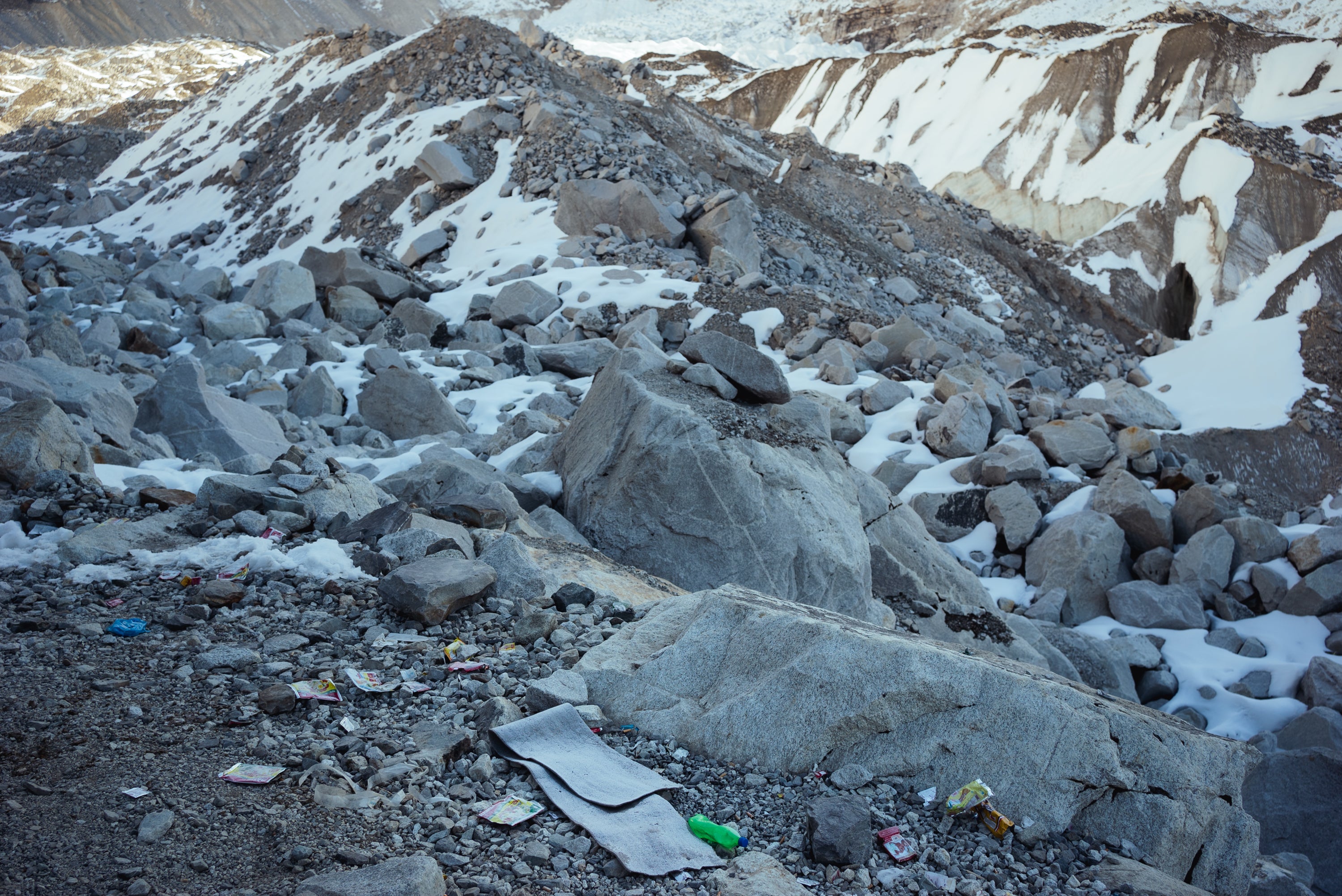
Waste and refuse left on the ground at Everest Base Camp on 13 October 2024 in Nepal

Waste and refuse left on the ground at Everest Base Camp on 13 October 2024 in Nepal (Getty)

The real identity of “Green Boots” has long been a debate among the researchers. Three Indian mountaineers – Dorje Morup, Tsewang Paljor and another named Tsewang Samanla – were part of a six-member Indian expedition in 1996. After the weather worsened near the summit, half the group turned back while the other three continued. All three who tried to push on to the top died.

India’s paramilitary Indo-Tibetan Border Police (ITBP), which will conduct the mission to retrieve the body, says it believes the remains to be those of Morup, but many mountaineers think it is actually Paljor. The ITBP says its belief is based on the outcomes of an earlier assessment, but told The Independent that reports this had involved DNA testing were not accurate.

While the remains of all three of those who died in the 1996 expedition are still on the mountain, Green Boots rose to prominence because of his close proximity to one of the main trekking routes, with some climbers describing having to physically step over his body. In 2014, the Chinese authorities moved the body some distance off the trail. Climbers have since said that his body is still visible off the northeast route.

Everest’s other best-known fallen climbers

Green Boots is far from the first fallen climber to become part of Everest lore, though its the most prominent example of a body whose identity remains a mystery.

Among the mountain’s best-known bodies are American climber Francys Arsentiev, who was known as “Sleeping Beauty”, and whose remains lay near the northeast ridge for years before being moved from the main route.

The remains of British mountaineer George Mallory were only discovered in 1999, 75 years after he disappeared on Everest during a 1924 expedition. They were identified by a name tag, and though some of his personal items were retrieved, the decision was made to leave the body on the mountain.

Why is it so hard to bring back bodies from Everest?

Most of the bodies of those who die on Everest remain there because retrieval missions are both dangerous and expensive. Experts say that such operations can be more difficult than rescuing a living climber.

Many of the dead lie in the mountain’s “death zone” above 8,000m, where oxygen levels are so low that even basic movement becomes exhausting. Most bodies remain hidden under years’ worth of snow and ice.

Alan Arnette, a veteran Everest chronicler, tells The Independent that a recovery could require “a team of a minimum of six to eight, maybe even 10 people” and that it can be “logistically very complicated”.
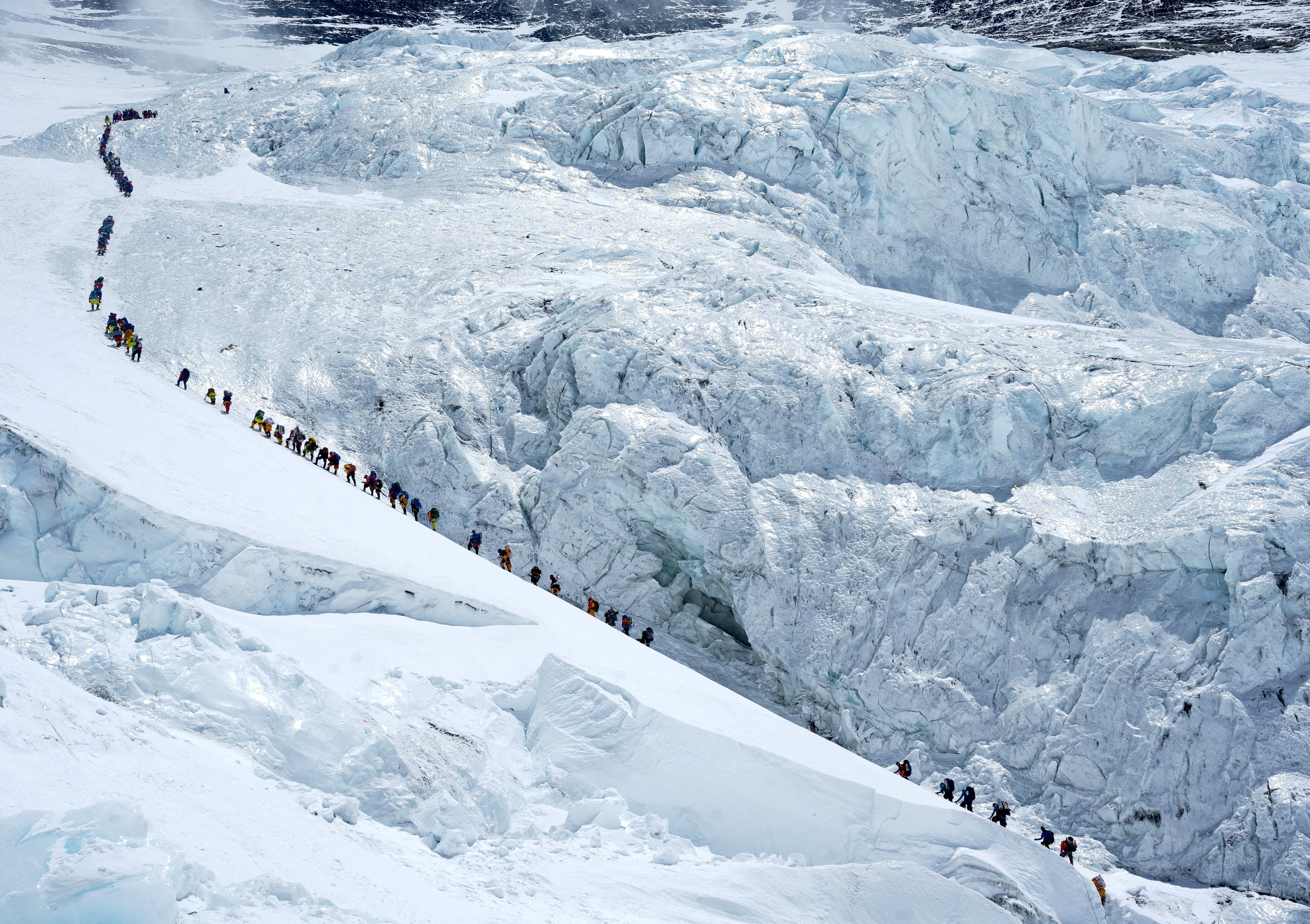
Climbers form a long queue as they head to the summit of Mount Everest

Climbers form a long queue as they head to the summit of Mount Everest (Reuters)

He says that rescuers must negotiate steep, technical sections of the route while carrying a body, all while operating in an environment that severely limits human performance.

Why the retrieval of Green Boots could be even more complicated

India’s ITBP has issued a tender seeking an experienced high-altitude recovery team for the project to bring back Green Boots’ remains. The mission would likely require coordination with the Chinese authorities to move the body from Tibet to Nepal and then back to India, and the operation is expected to take place between June and September.

Green Boots presents an unusually difficult recovery challenge because he is believed to be located high on Everest’s north side, near the route between the First and Second Steps – two rocky outcrops that are used as landmarks – and firmly within the “death zone”.

Bierling says that, after 30 years, Green Boots’ body will be “frozen to the mountain”.

Arnette also argues that Green Boots is probably “covered in snow”, and most likely rocks too. “They are going to have to use ice axes to separate his frozen body from the frozen mountainside,” he says. “It’s going to be very, very gruesome.”
(Getty/iStock)

The operation would then require rescuers to carry the remains through some of the most technical sections of the northeast route. Arnette describes the Second Step as a 30-metre-high rock face fitted with a ladder that climbers must ascend while wearing crampons, heavy gloves and oxygen equipment.

He says: “You’re encompassed in all of this extra clothing and technical climbing gear, which makes it difficult to see and difficult for footwork.”

At the Second Step, he says, climbers must first scramble up a near-vertical rock section before ascending the aluminium ladder fixed to the mountain. “In order to get to the base of the ladder, you’ve got to climb on another vertical rocky outcropping, then climb this ladder while wearing these spikes, crampons, and you’ve got heavy gloves on, so it’s just very awkward.

“It’s not easy because you’re at that altitude and you have all this extra gear on you.”
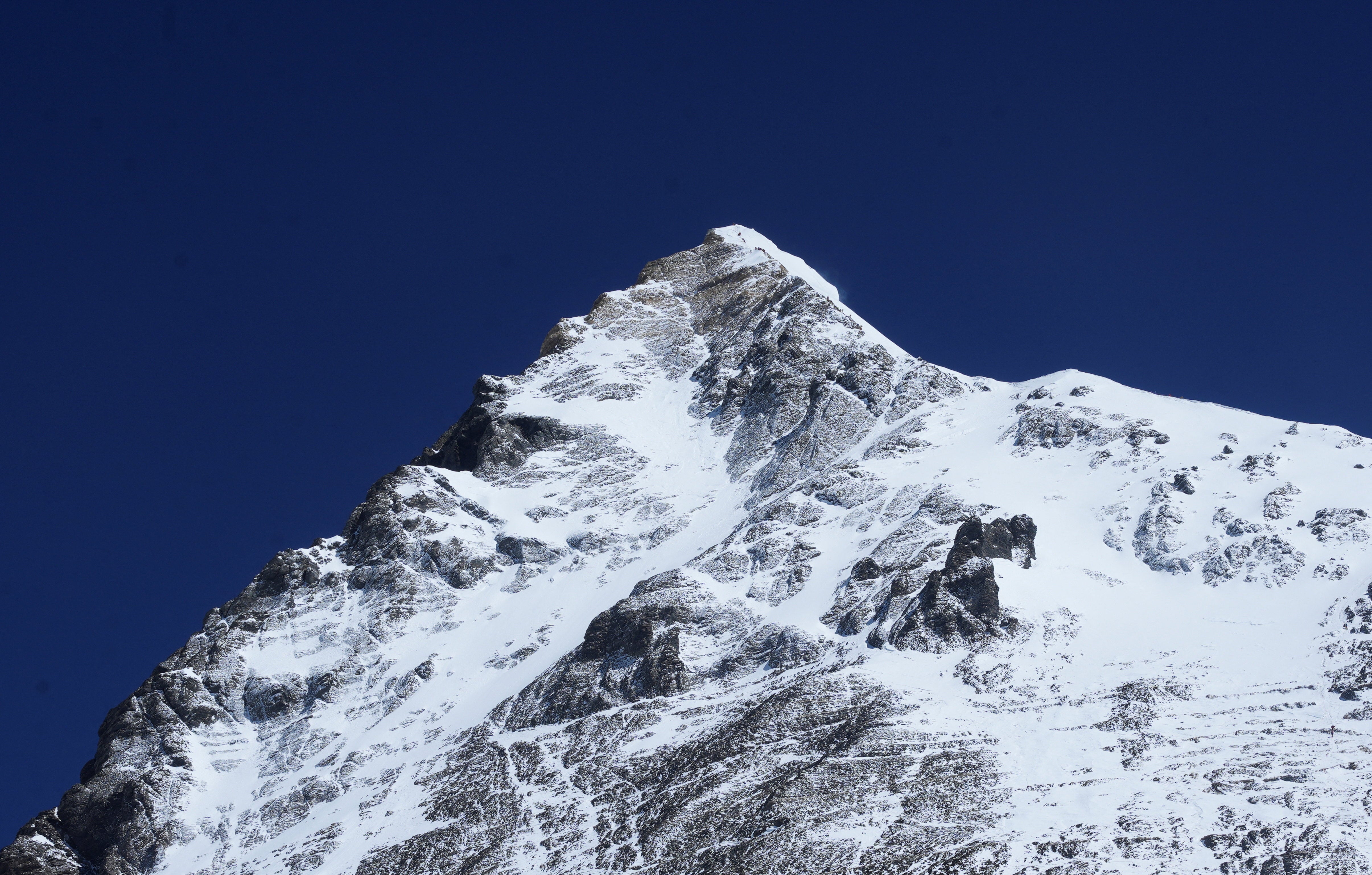
Climbers are seen heading towards the summit of Everest on 21 May

Climbers are seen heading towards the summit of Everest on 21 May (Reuters)

Then, there is the China angle and the matter of permissions. The recovery agency that ITBP is seeking will have to navigate multiple levels of bureaucracy, which might not be easy.

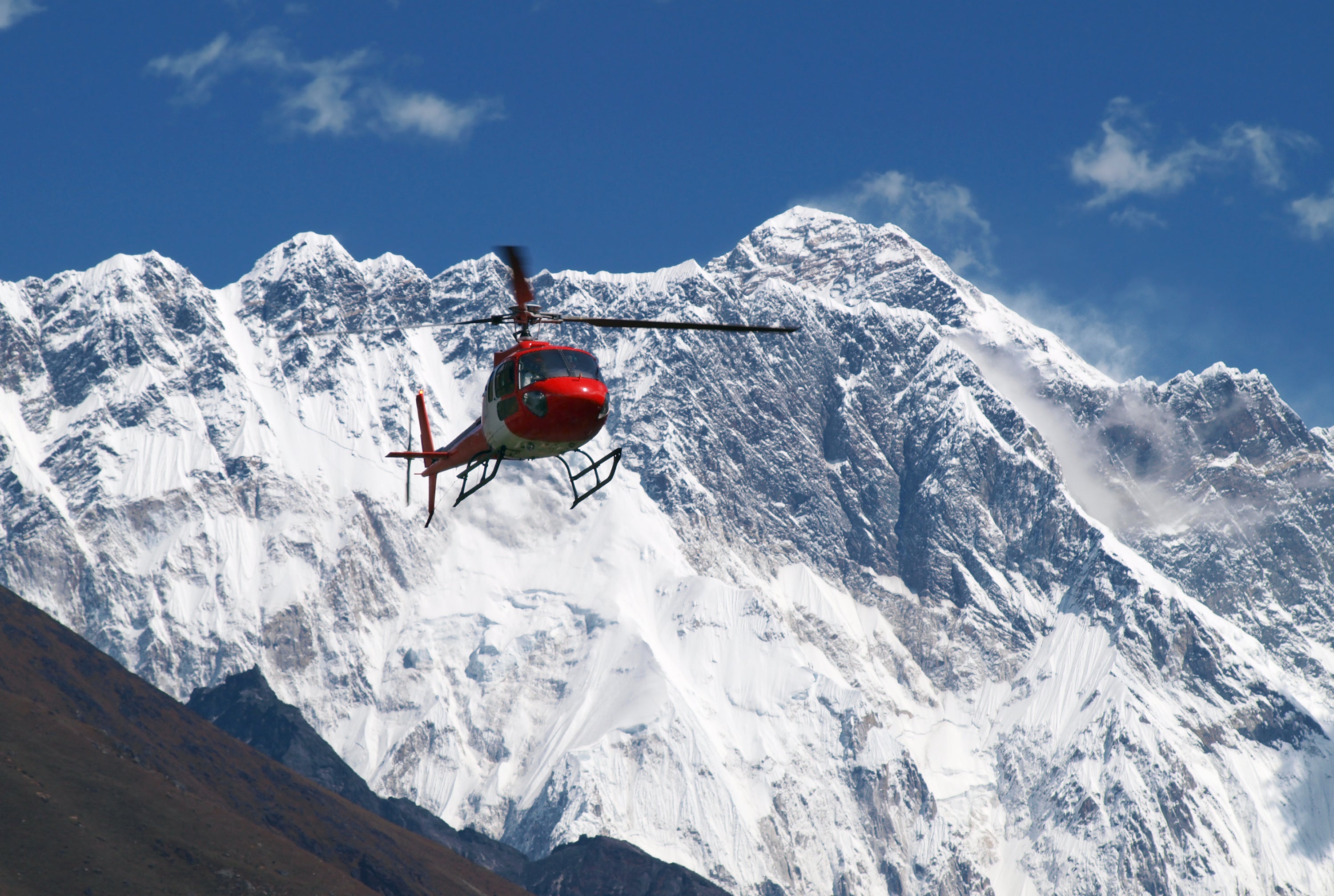
Transport is another challenge. Bierling tells The Independent: “You can’t really fly helicopters as freely as you can fly them in Nepal. In Nepal, it would cost a lot of money, and it would need permission to fly a helicopter, but in Tibet it’s not even allowed.

“And then of course they couldn’t fly in between the First and the Second Step; it’s quite high, you know. It would be challenging.”

An ethical and religious dilemma
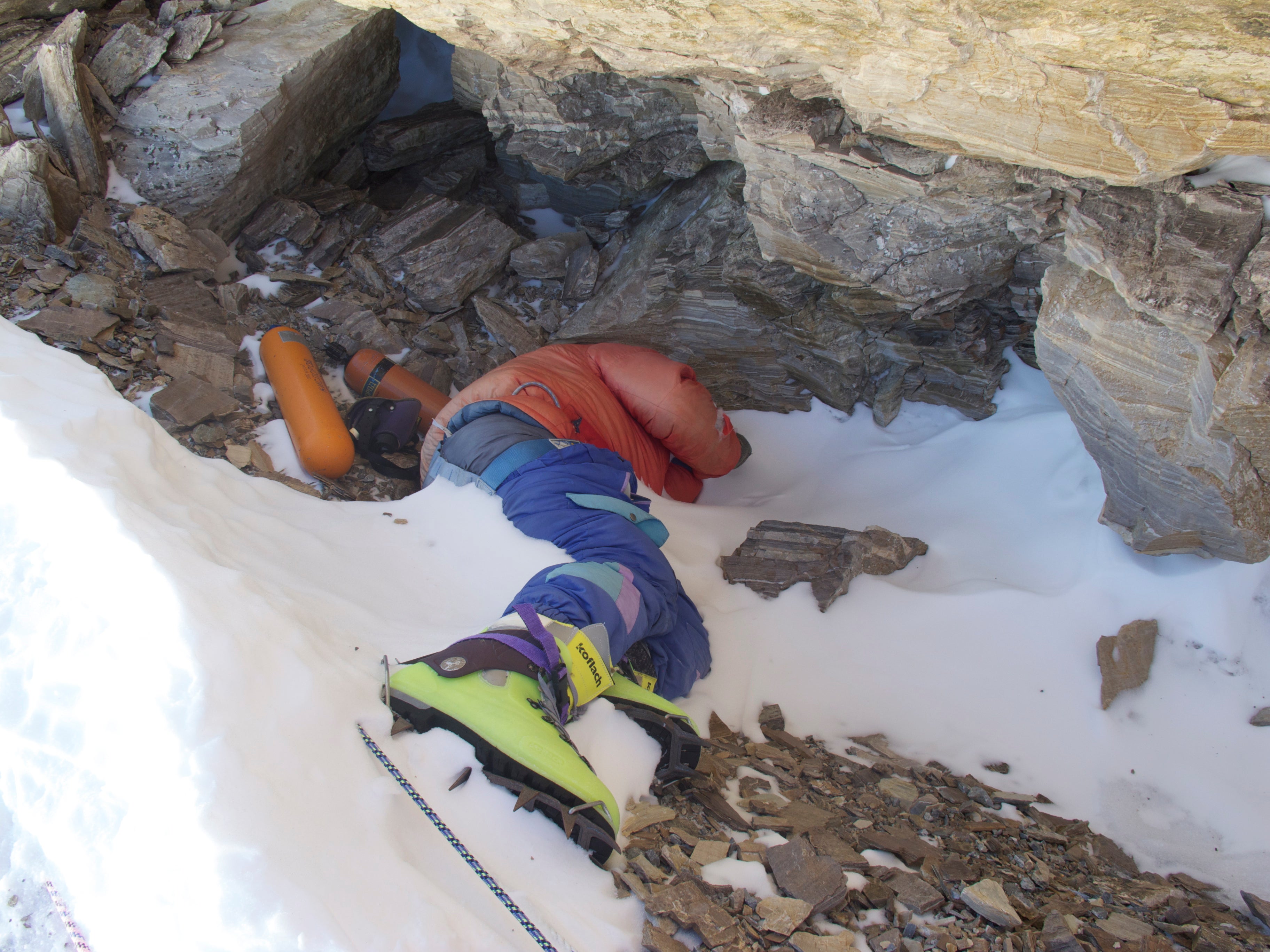
‘Green Boots’

‘Green Boots’ (Wikimedia/@Maxwelljo40)

Beyond the logistics of the retrieval, experts believe that it could also be against the beliefs of Buddhism, the majority religion in Tibet.

Arnette tells The Independent that many of the climbers likely to be involved in the operation would be Tibetan workers, many of whom follow Buddhism.

Since the retrieval would involve separating his body with ice axes from the frozen landscape, “it goes against the Buddhist beliefs to desecrate a body,” Arnette says. He says it might clash with the beliefs of the workers and the goal of ITBP to give Green Boots a dignified recovery.

The Independent has reached out to ITBP for comment.

A costly mission

The operation to recover his body would require a large support team, oxygen supplies, ropes and other equipment, and Arnette believes the estimated cost could be anything between $100,000 and $150,000.
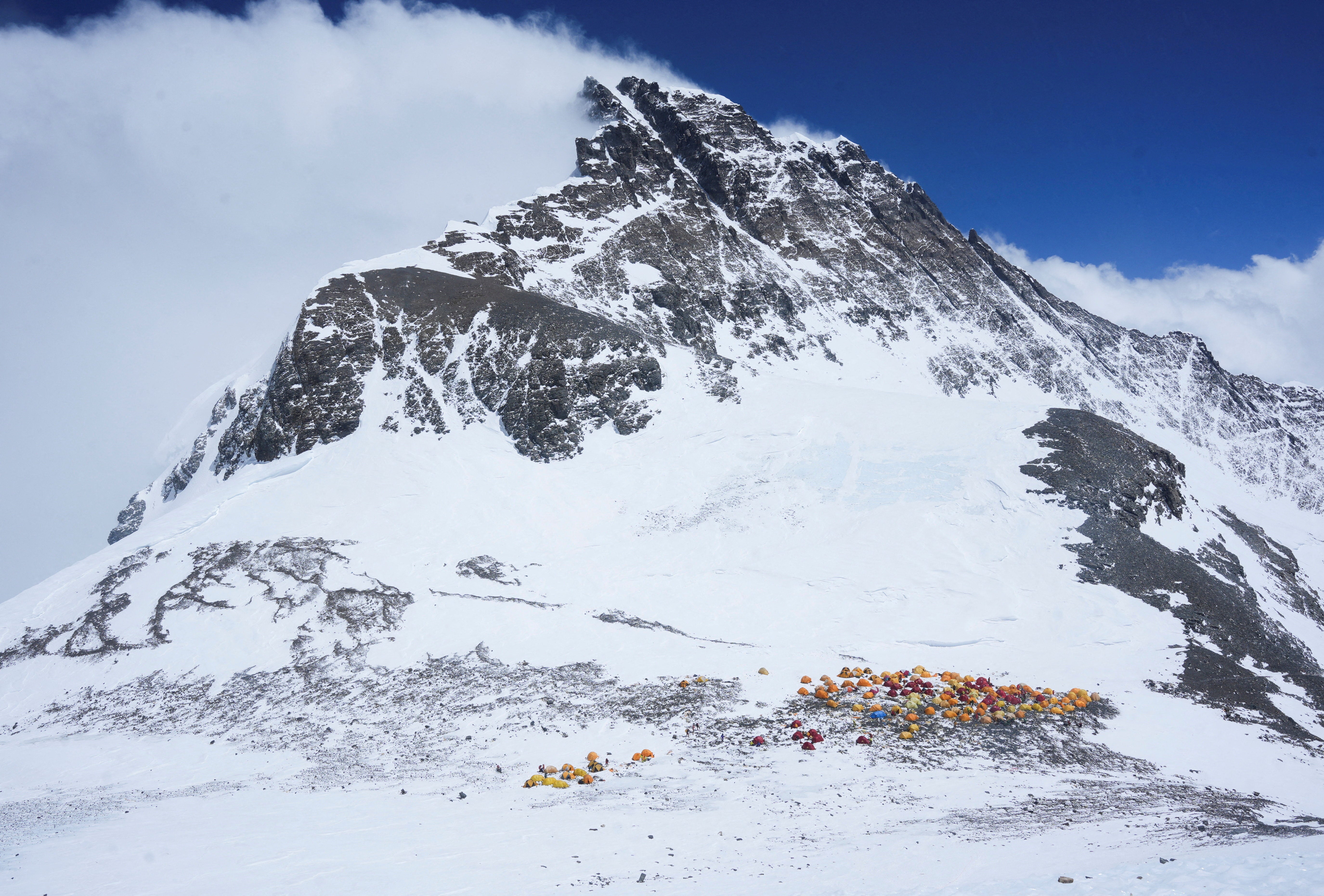
Mount Lhotse seen from Everest Camp 4 in the Solukhumbu district, also known as the Everest region, Nepal, 20 May 2026

Mount Lhotse seen from Everest Camp 4 in the Solukhumbu district, also known as the Everest region, Nepal, 20 May 2026 (Reuters)

Previous efforts to recover bodies from Everest have sometimes faced opposition from families and local communities.

In 2010, a plan to remove bodies from the mountain’s south side was abandoned after relatives asked that the climbers remain where they had died, in accordance with their wishes. The same year, a proposal to scatter Sir Edmund Hillary’s ashes on the summit was blocked by Nepalese authorities and Buddhist religious leaders, who argued that Everest is a sacred mountain and should not be used for publicity or symbolic gestures.

Green Boots is believed to be above 8,500 metres – the so-called “death zone” where oxygen levels are roughly a third of those available at sea level, and because of that the human body begins to die.

Bierling says: “The world is very different up there. It’s inexplicable. I’ve climbed six 8000m (peaks), and I think it’s something you have to experience yourself, but, of course, your body weakens significantly more without supplemental oxygen.”

She says: “At 8,000 metres... your body is just wasting away, because we shouldn’t be up there; we’re not made to be up there.”