








London’s Wellcome Collection is returning over 2,000 historical Jain manuscripts to the religious community after concluding that most of them were acquired “at a low price and against the best interests of their original owners”.
The Wellcome Collection, the largest body of Jain manuscripts outside South Asia, was acquired by agents working for the pharmaceutical entrepreneur and collector Sir Henry Wellcome in 1919.
The collection says over half of the material came from a single Jain temple in Punjab, in what’s now Pakistan, that no longer exists.
Acquisition records suggest Wellcome’s agents paid Rs5 (about 0.8p at today’s exchange rate) for each manuscript purchased from the Punjab temple in 1919.
A spokesperson for the Wellcome Collection told The Independent that the manuscripts were later insured for transport to Britain at a value of Rs 22,000 (£170), and that correspondence in its archive showed Henry Wellcome’s agent knew he had bought the manuscripts “for less than their value at the time” and that the seller “did not understand their true value”.
The Wellcome Trust, the Institute of Jainology and the University of Birmingham signed an agreement to return the manuscripts at the House of Commons on 14 May, after several years of discussions over their future.
The manuscripts span five centuries and cover religion, literature and medicine in Prakrit and Sanskrit, Gujarati, Rajasthani and early Hindi scripts.
.jpeg)
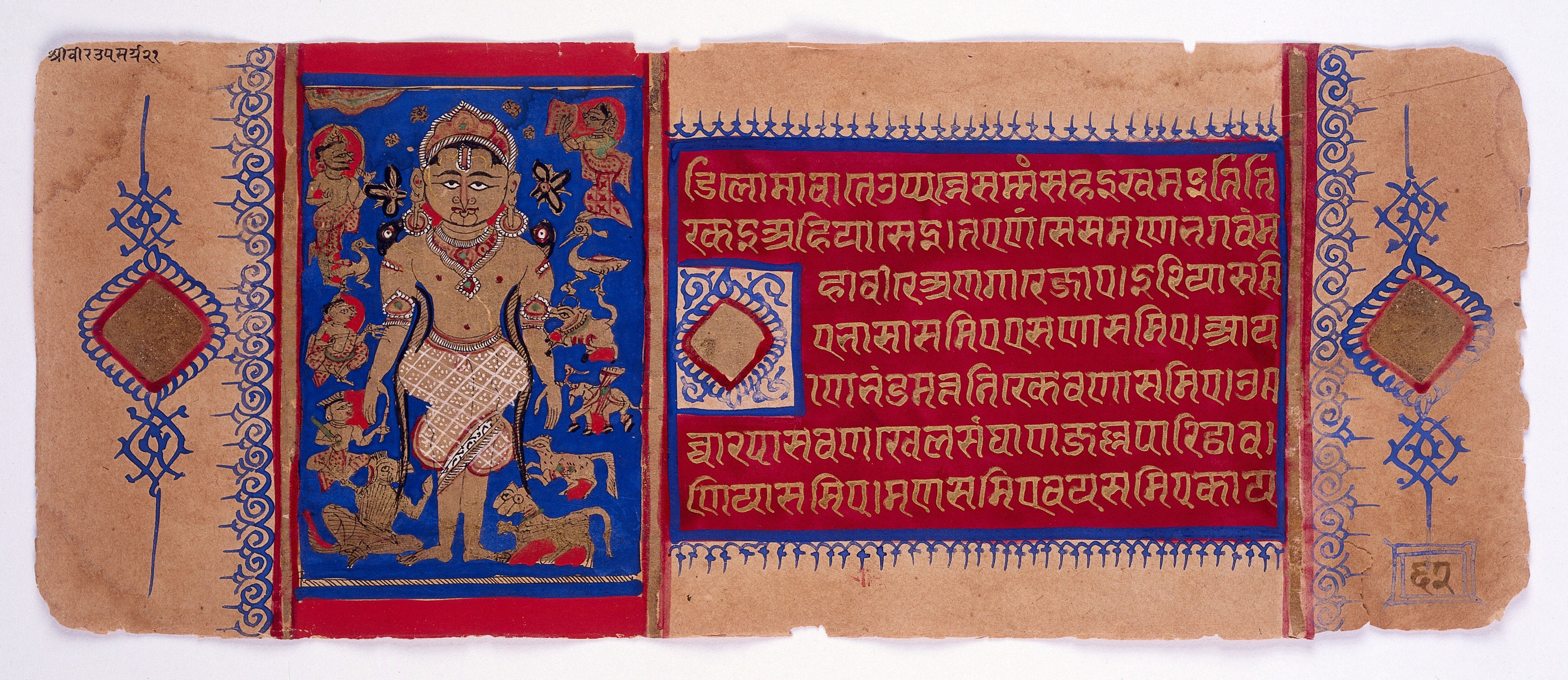
Among the most striking works is a 16th-century illustrated copy of the Kalpasutra, a key Jain text recounting the lives of spiritual teachers, including Mahavira, regarded in Jainism as the last great enlightened teacher to guide humanity towards liberation. The collection describes this particular manuscript as “rare and magnificently illustrated”.
There’s also a damaged manuscript from 1688 that scholars suspect preserves the earliest surviving copy of Vaidyamanotsav, a medical treatise written in 1592.
Another manuscript is described as “a unique and powerful early example” of anti-colonial writing associated with ethical principles later popularised by MK Gandhi. It “heavily critiques the ethical foundations of British rule in India”.
The Wellcome Collection says the manuscripts offer “an important window onto the history of health and human experience”.
Rather than returning the manuscripts to India or Pakistan, the institutions will transfer them to the Dharmanath Network in Jain Studies at the University of Birmingham, which the Wellcome Collection said offered “the most appropriate place” to preserve the material while giving researchers and Jains access to it.
The Wellcome Collection confirmed to The Independent that the agreement marked “its first return of this kind”. The institution said it would transfer the manuscripts to the University of Birmingham in batches over a period of up to five years while carrying out a full audit of the collection.
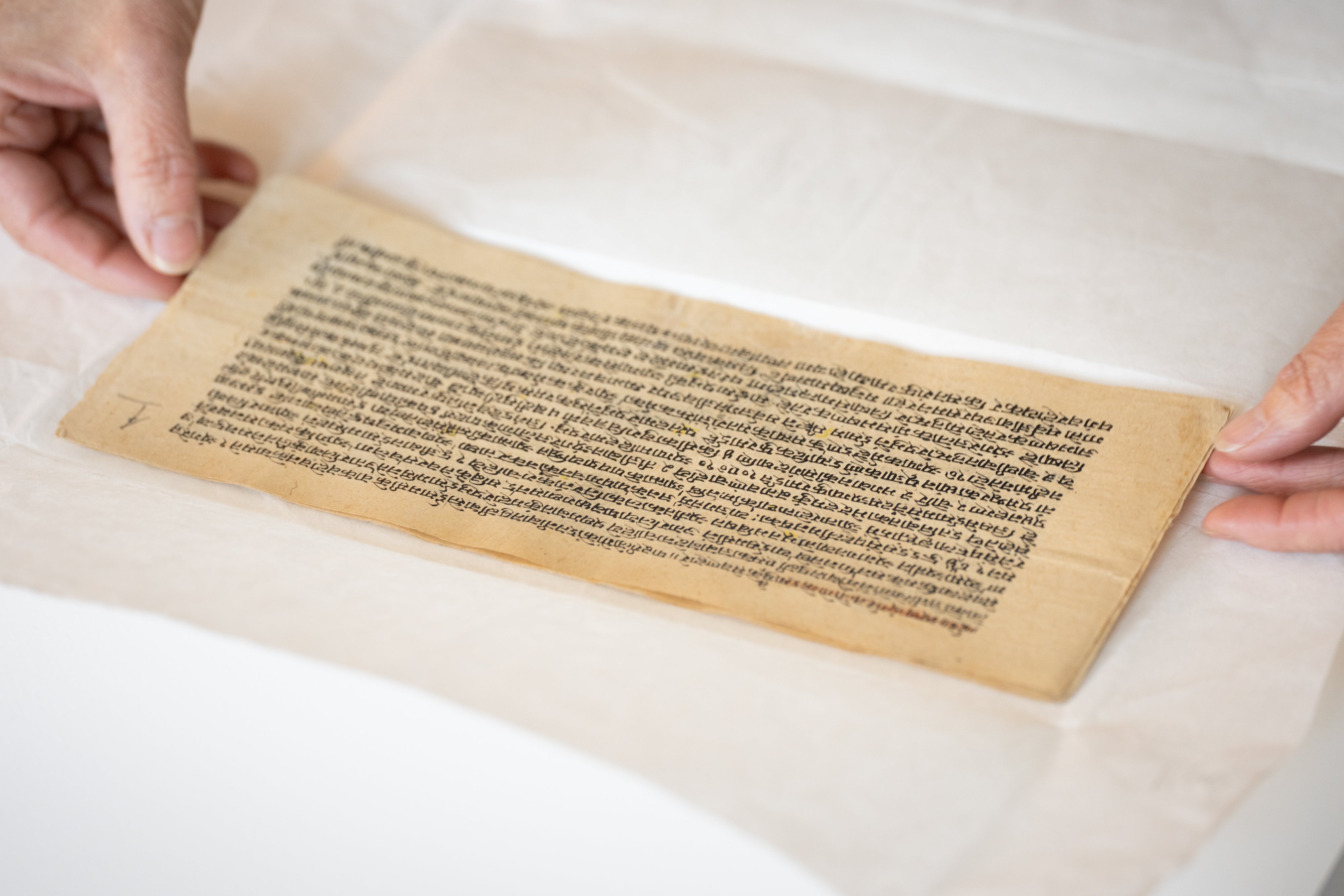
The Dharmanath Network, established in 2023 and funded by Jain communities in the UK, US, and India, said it planned to make the collection accessible to researchers and faith communities able to “read, interpret, and translate” the texts.
The decision to keep the manuscripts in the UK reflects the history of the collection itself. Many of the manuscripts came from what is now Pakistan, where most Jains were driven out and their temples left abandoned by the bloody partition of the Indian subcontinent and subsequent violence.
Today, India has a Jain population of 4.45 million, according to the latest census from 2011, while the Institute of Jainology says the UK Jain community numbers around 60,000.
Mehool Sanghrajka, managing trustee of the Institute of Jainology, said in a statement that “some of these manuscripts may not have survived the turmoil in India post-independence”.
“We believe that rather than judging historical events with modern eyes, we should find ways through collaboration to transform Jain scholarship and research and give the community access to its cultural heritage,” Sanghrajka said.
Daniel Martin, associate director of collections and digital at the Wellcome Collection, said that the agreement recognised “the hurt caused by unethical acquisition and retention of material heritage”.
“We have set the bar high for a collaborative and compassionate approach to restitution,” he said.
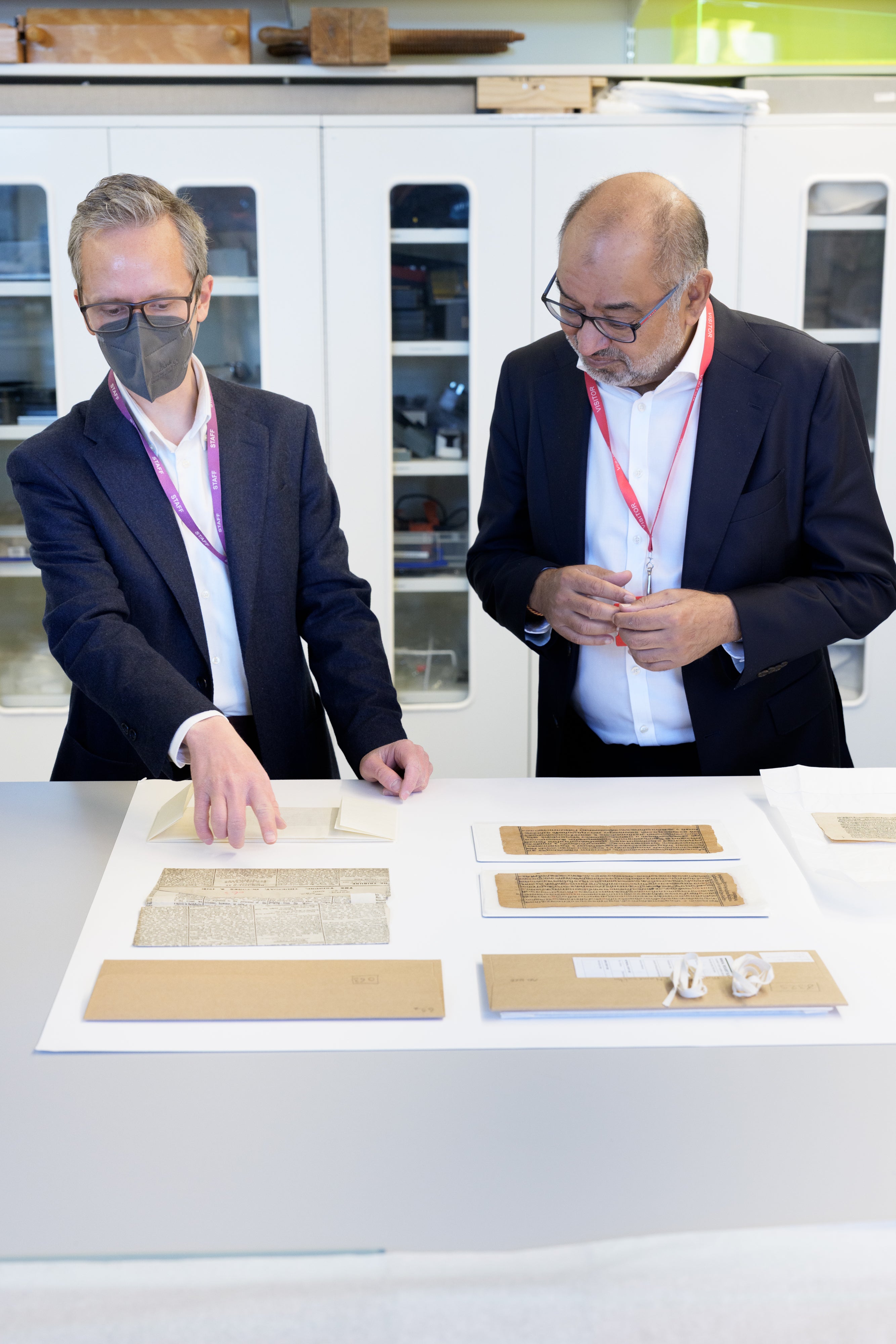
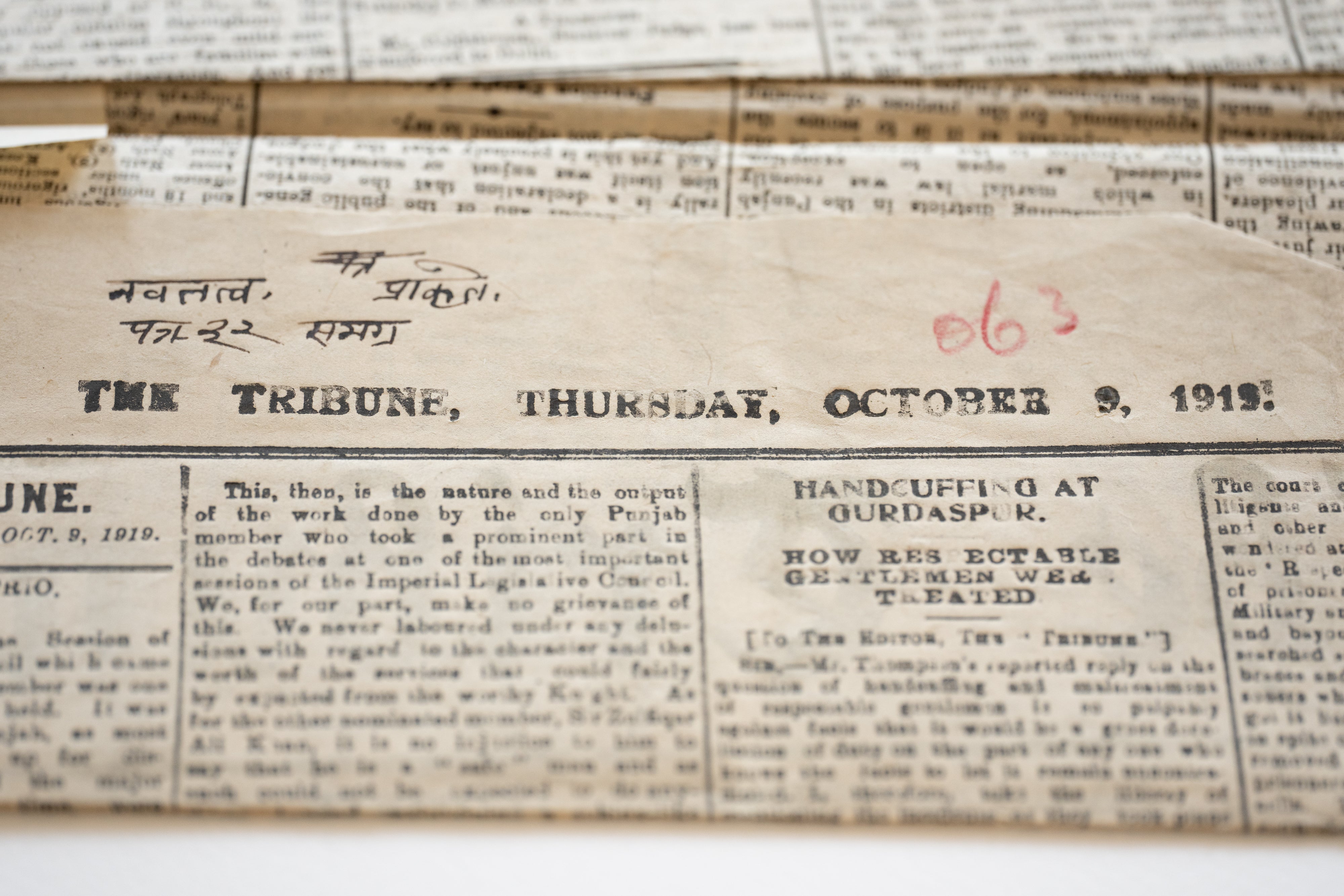
The scholars Kanhaiyalal Virji Sheth and Kalpana Sheth, through the Institute of Jainology, catalogued much of the collection in the 2000s. As part of the agreement, the Wellcome Collection is putting their cataloguing notes online.
This comes as British institutions face ongoing demands for the return of artefacts taken from former colonies or removed through illicit trade. In March, the Ashmolean Museum returned a 16th-century bronze statue of Tamil saint Tirumankai Alvar to India after provenance research linked the sculpture to a temple in the southern state.
The British Museum, which holds the Parthenon sculptures taken from Greece in the 19th century, has faced pressure from the Greek government for their return, though it has argued that legal restrictions prevented a permanent restitution.