







India will continue purchasing Russian crude oil irrespective of whether the US extends sanctions waiver, a senior official said on Monday.
"Regarding the American waiver on Russia, I would like to emphasise that we have been purchasing from Russia earlier, before waiver also, during waiver also, and now also," Sujata Sharma, joint secretary in India's Petroleum Ministry, told reporters.
"It is basically the commercial sense which should be there for us to purchase. There is no shortage of crude. Whatever waiver or no waiver, it will not affect," she said.
The remarks came after a temporary US sanctions waiver allowing the sale and delivery of Russian seaborne crude to India expired on 16 May.
The waiver, first issued by the US Treasury Department in March and extended twice, had been introduced to stabilise global energy markets following disruptions caused by the Iran war's closure of the Strait of Hormuz. India had asked Washington to extend it further, Bloomberg reported, but no extension was granted.
India’s imports from Russia hit record levels driven by the disruption of Middle Eastern supplies from the Iran war. In the first two weeks of May, daily inflows reached an unprecedented 2.3 million barrels per day, according to Kpler data, as refiners raced to load cargoes before the deadline.
Full-month flows are expected to average around 1.9 million barrels per day, Kpler's predictive data shows, that is close to record levels.
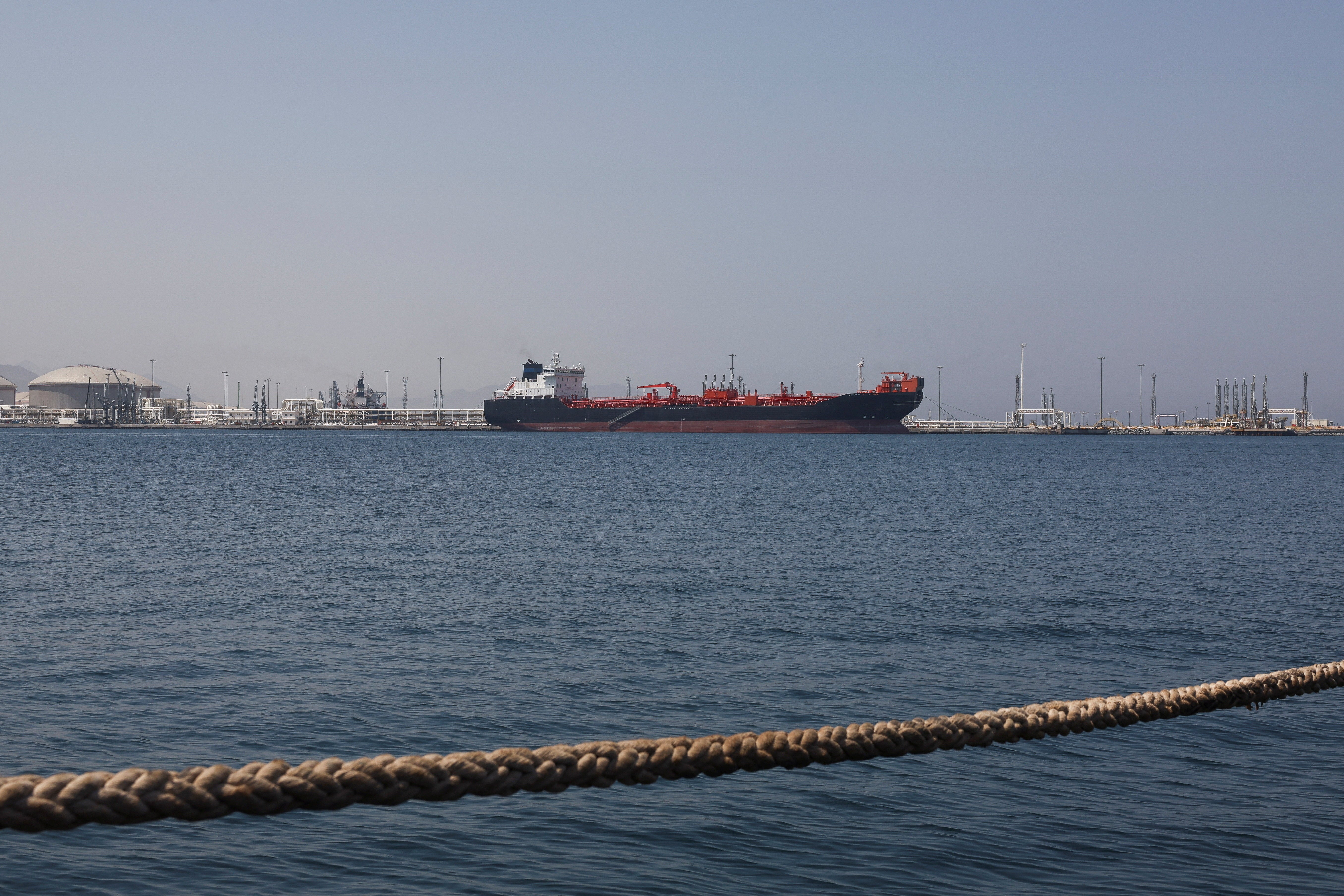
India, one of the world’s largest consumers, has been increasing its dependence on Russian oil since the start of the Iran war as Middle Eastern crude supply to India plunged 61 per cent to 1.18 million barrels per day in March compared with February. Russian supply almost doubled to 2.25 million barrels per day over the same period, as refiners replaced lost Iranian and Gulf volumes with Russian oil.
The oil that was once sold at discounted rates to India was being sold at a premium, making Russia major profits, analysts told The Independent, as Iran war changed the dynamics in Russia’s favour.
Russia has been India's dominant crude supplier since 2022, when Western sanctions following Moscow's invasion of Ukraine pushed Russia to offer deeply discounted oil to buyers willing to purchase it. Although the US and European countries imposed sweeping sanctions on Russia, Russian oil itself was never directly sanctioned. Indian refiners have maintained purchases by ensuring compliance through non-sanctioned sellers, vessels, insurance and payment routes.
The Iran war has significantly altered the global oil balance. Cumulative crude and condensate supply losses from the Middle East reached 782 million barrels as of 8 May, according to Kpler, with losses expected to hit one billion barrels later this month.
Production outages have levelled off at around 12.5 million barrels per day, but Iran's situation is also worsening as the US blockade is reducing Iran's export capabilities and forcing a rapid reduction in domestic operations.
Iran has been using remaining tankers in the Gulf for floating storage but available capacity is running out, which Kpler said would result in further production declines in the weeks ahead. Global onshore crude stocks have fallen by 60 million barrels since late March to around 3,000 million barrels, implying an average drawdown of roughly two million barrels per day over the past two months.