








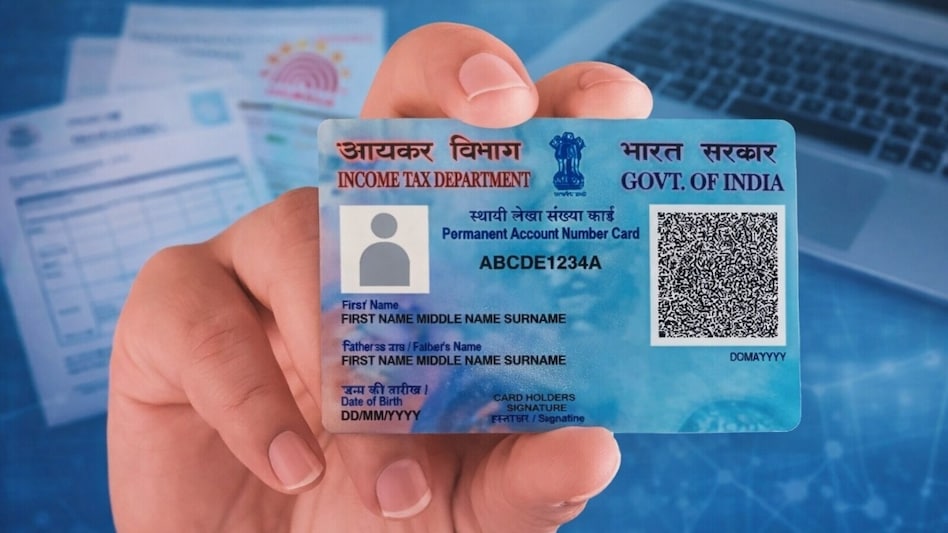
 The PAN quoting threshold for cash payments made at hotels and restaurants has been increased from ₹50,000 to ₹1 lakh per transaction.
The Income Tax Rules, 2026 have introduced significant changes to Permanent Account Number (PAN) requirements, relaxing norms for several routine transactions while tightening compliance for high-value property deals, insurance premiums and cash withdrawals.
The revised framework, which also replaces Form 60 with the new Form 97, seeks to simplify lower-risk transactions while strengthening reporting requirements for larger financial activities.
Daily PAN requirement
One of the biggest changes relates to cash deposits.
Under the earlier rules, individuals were required to quote their PAN for cash deposits exceeding ₹50,000 in a single day. This requirement has now been abolished.
At the same time, the annual reporting threshold for cash deposits has been increased four-fold, from ₹2.5 lakh to ₹10 lakh.
However, annual cash withdrawals exceeding ₹10 lakh will now come under PAN reporting requirements, bringing large withdrawals under closer scrutiny.
MUST READ: SEBI eases PAN onboarding norms for FPIs amid concerns over new tax rules
The daily PAN requirement for cash payments towards bank drafts, pay orders and banker's cheques has also been removed, although such transactions will continue to be monitored annually.
Real estate transactions
The new regulations have widened the scope of PAN compliance for property transactions.
The PAN quoting threshold for buying or selling immovable property has been increased from ₹10 lakh to ₹20 lakh, while the reporting threshold for such transactions has gone up from ₹30 lakh to ₹45 lakh.
Importantly, the new rules explicitly include gift deeds and Joint Development Agreements (JDAs), expanding the list of transactions that will attract reporting requirements.
Individuals involved in property transactions exceeding ₹45 lakh will now have to obtain a PAN if they do not already possess one.
Earlier, such transactions could often be completed using Form 60. Under the revised rules, that flexibility has been withdrawn for high-value property deals.
Foreign travel and forex categories
Separate PAN quoting requirements for foreign travel expenses and purchase of foreign currency have been eliminated.
However, these transactions may still fall under the broader category of purchase of goods and services if the payment exceeds ₹2 lakh per transaction.
The reporting threshold for foreign exchange transactions will now vary depending on whether the person has a PAN.
Insurance premiums and stamp paper purchases to be monitored
The new rules also expand the reporting net to cover additional transactions.
Insurance companies will have to report premium receipts exceeding ₹5 lakh for PAN holders and ₹2.5 lakh for individuals without PAN.
MUST READ: Post office savings under lens? Why PAN is now mandatory under 2026 tax rules
Stamp paper purchases have also been brought under reporting requirements. The threshold has been fixed at ₹2 lakh for PAN holders and ₹1 lakh for those who do not have PAN.
Higher limits for hotels, restaurants and events
The PAN quoting threshold for cash payments made at hotels and restaurants has been increased from ₹50,000 to ₹1 lakh per transaction.
The scope has also been broadened to include banquet halls, convention centres and event managers.
As a result, large cash payments related to weddings and events may now attract greater scrutiny from tax authorities.
Meanwhile, PAN requirements continue to apply to vehicle purchases above ₹5 lakh. The revised rules specifically include two-wheelers covered under the Motor Vehicles Act, while tractors have been excluded.
Form 97 replaces Form 60
Another major change is the introduction of Form 97, which replaces Form 60 for individuals who do not possess a PAN.
However, this alternative will not be available for certain property transactions exceeding ₹45 lakh, where obtaining a PAN has been made mandatory.
The updated rules represent a shift towards easing compliance for low-risk transactions while enhancing oversight of high-value financial activities, reflecting the government's broader push to improve transparency and tax compliance.
MUST READ: Post Office rules 2026: PAN now compulsory for deposits, withdrawals; check details
Published on: Jun 14, 2026 9:15 AM IST
此内容由惯性聚合(RSS阅读器)自动聚合整理,仅供阅读参考。 原文来自 — 版权归原作者所有。