惯性聚合 高效追踪和阅读你感兴趣的博客、新闻、科技资讯
阅读原文 在惯性聚合中打开

推荐订阅源

Cloudbric
Cloudbric
有赞技术团队
有赞技术团队
CTFtime.org: upcoming CTF events
T
Threat Research - Cisco Blogs
L
LangChain Blog
Simon Willison's Weblog
Project Zero
Project Zero
Latest news
Latest news
S
Schneier on Security
Cisco Talos Blog
Cisco Talos Blog
MyScale Blog
MyScale Blog
C
Check Point Blog
IT之家
IT之家
P
Palo Alto Networks Blog
Threat Intelligence Blog | Flashpoint
C
CERT Recently Published Vulnerability Notes
Scott Helme
Scott Helme
The Hacker News
The Hacker News
C
CXSECURITY Database RSS Feed - CXSecurity.com
G
Google Developers Blog
T
Tor Project blog
T
Threatpost
D
DataBreaches.Net
博客园 - 【当耐特】
酷 壳 – CoolShell
酷 壳 – CoolShell
T
Troy Hunt's Blog
奇客Solidot–传递最新科技情报
奇客Solidot–传递最新科技情报
Vercel News
Vercel News
云风的 BLOG
云风的 BLOG
NISL@THU
NISL@THU
P
Privacy & Cybersecurity Law Blog
cs.AI updates on arXiv.org
C
Cisco Blogs
博客园_首页
S
Securelist
T
The Exploit Database - CXSecurity.com
Last Week in AI
Last Week in AI
量子位
U
Unit 42
Know Your Adversary
Know Your Adversary
Hugging Face - Blog
Hugging Face - Blog
S
Security Affairs
Google Online Security Blog
Hacker News: Ask HN
Hacker News: Ask HN
Webroot Blog
Webroot Blog
S
SegmentFault 最新的问题
Engineering at Meta
Engineering at Meta
N
News and Events Feed by Topic
P
Proofpoint News Feed
阮一峰的网络日志
阮一峰的网络日志

Blog

Code Injection in Perforce Helix Core (CVE-2026-6902) | Imperva AI Bot Traffic: Which Bots to Allow or Block | Imperva API Security Tools: What Each One Protects | Imperva CVE-2025-54068 Laravel Livewire Credential Theft Campaign: 6,000+ Applications Compromised | Imperva On-Premises API Security on Kubernetes | Imperva AI Security Assistant for Faster Investigations | Imperva Best WAAP Solutions 2026: Enterprise Buyer Guide | Imperva Compromise OpenClaw with Prompt Injections in Message Objects The Clock Is Already Ticking: Why Post-Quantum Cryptography Can’t Wait Imperva Customers Protected Against CVE-2026-49975 (HTTP/2 Bomb) DoS Imperva Customers Protected Against CVE-2026-45247 in Mirasvit Full Page Cache Warmer for Magento Real-Time Webhook Notifications: No More Lost Security Alerts Imperva Customers Protected Against CVE-2026-9082 in Drupal Core Dify: When Your AI Platform Becomes the Attack Surface CVE-2026-42945: Imperva Customers Protected Against Critical NGINX Rewrite Module Vulnerability Using Bedrock with Claude Code? Your AWS Credentials Are Shared With Every Subprocess Why AI Agents Make API Security a CISO Priority CVE-2026-23870: Imperva Customers Protected Against Critical React Server Components DoS Vulnerability | Imperva Your Redis Server Looks Fine. That’s the Problem. | Imperva API Security Operations: From Visibility to Risk Reduction | Imperva Bad Bot Report 2026: The Internet Is No Longer Human and It’s Changing How Business Works Why PoP Count Isn’t the Real Measure of Application Security Performance Hacking Safari with GPT 5.4 Enterprise-Grade Application Security, Cloud-Native Speed: Introducing Imperva for Google Cloud Anthropic Mythos: Separating Signal from Hype Cloud Based WAF Upload Scan and Control: The New Standard for File Upload Security
Imperva Customers Protected Against CVE-2026-41940 in cPanel & WHM
Gabi Sharadin · 2026-05-01 · via Blog

Imperva Customers Protected Against CVE-2026-41940 in cPanel & WHM

What is CVE-2026-41940?

CVE-2026-41940 is a critical authentication bypass vulnerability affecting cPanel & WHM, including DNSOnly, in versions after 11.40. The flaw, discovered by WatchTowr Labs, exists in the login flow and allows unauthenticated remote attackers to gain unauthorized access to the control panel. The vulnerability carries a CVSS 3.1 score of 9.8 and is classified under CWE-306: Missing Authentication for Critical Function.

cPanel & WHM is widely used to manage web hosting environments. WHM provides administrative access to hosting infrastructure, while cPanel gives individual account holders control over their hosted sites. Because this vulnerability affects the authentication layer of a management interface, successful exploitation could give attackers access to high-value administrative functions across hosting environments. The issue affects all currently supported versions of cPanel & WHM, and the flaw is tied to session loading and saving behavior.

cPanel has released patched versions and recommends immediate updates. Administrators should update a fixed version, verify the cPanel build, and restart the cPanel service. For environments that cannot immediately patch, cPanel recommends blocking inbound traffic on ports 2083, 2087, 2095, and 2096 or temporarily stopping affected services.

Imperva customers are protected out-of-the-box against CVE-2026-41940.

Observations from Our Data

Since the release of CVE-2026-41940, Imperva has observed nearly 4,000 attack requests targeting customer environments.

Our data shows:
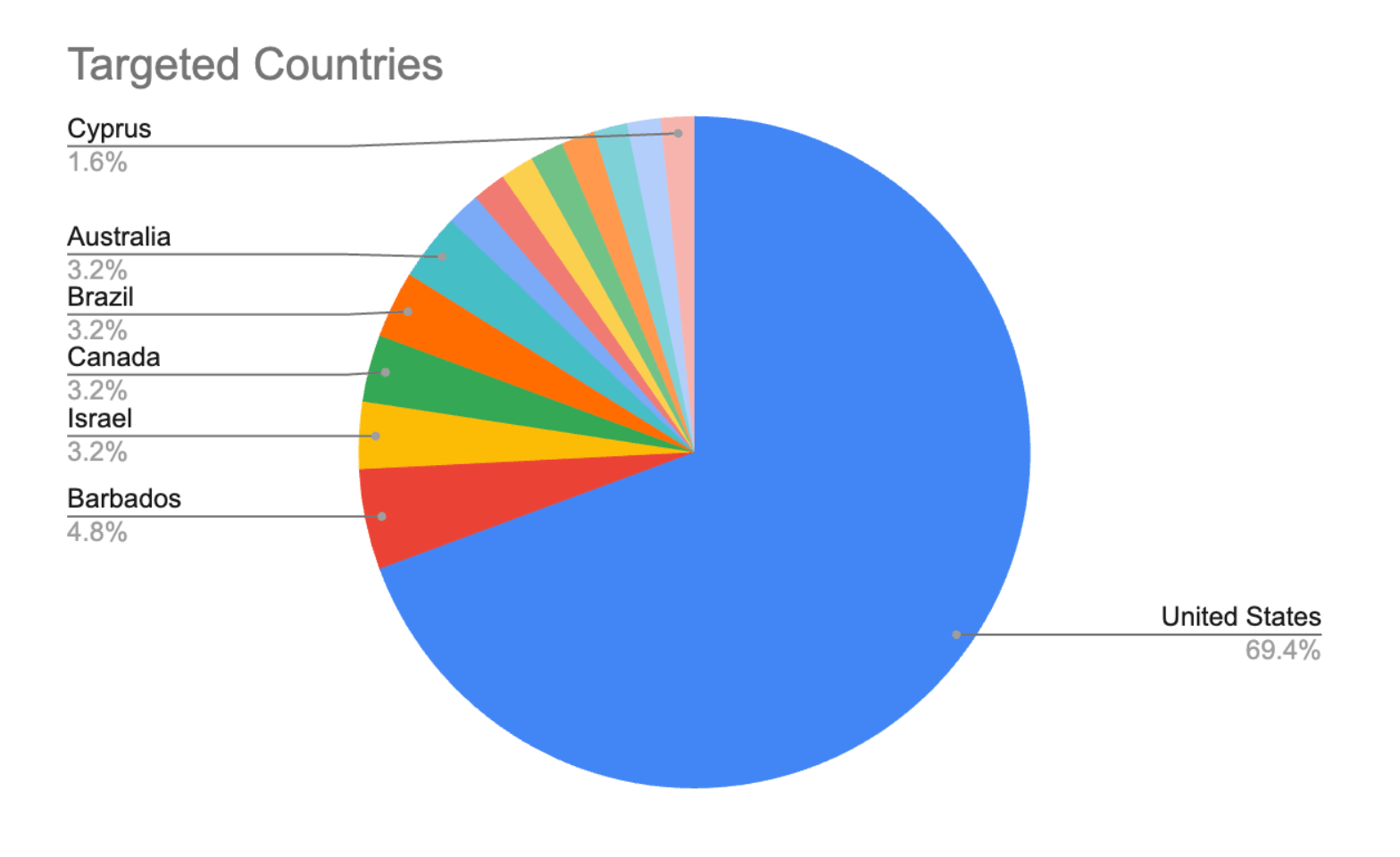
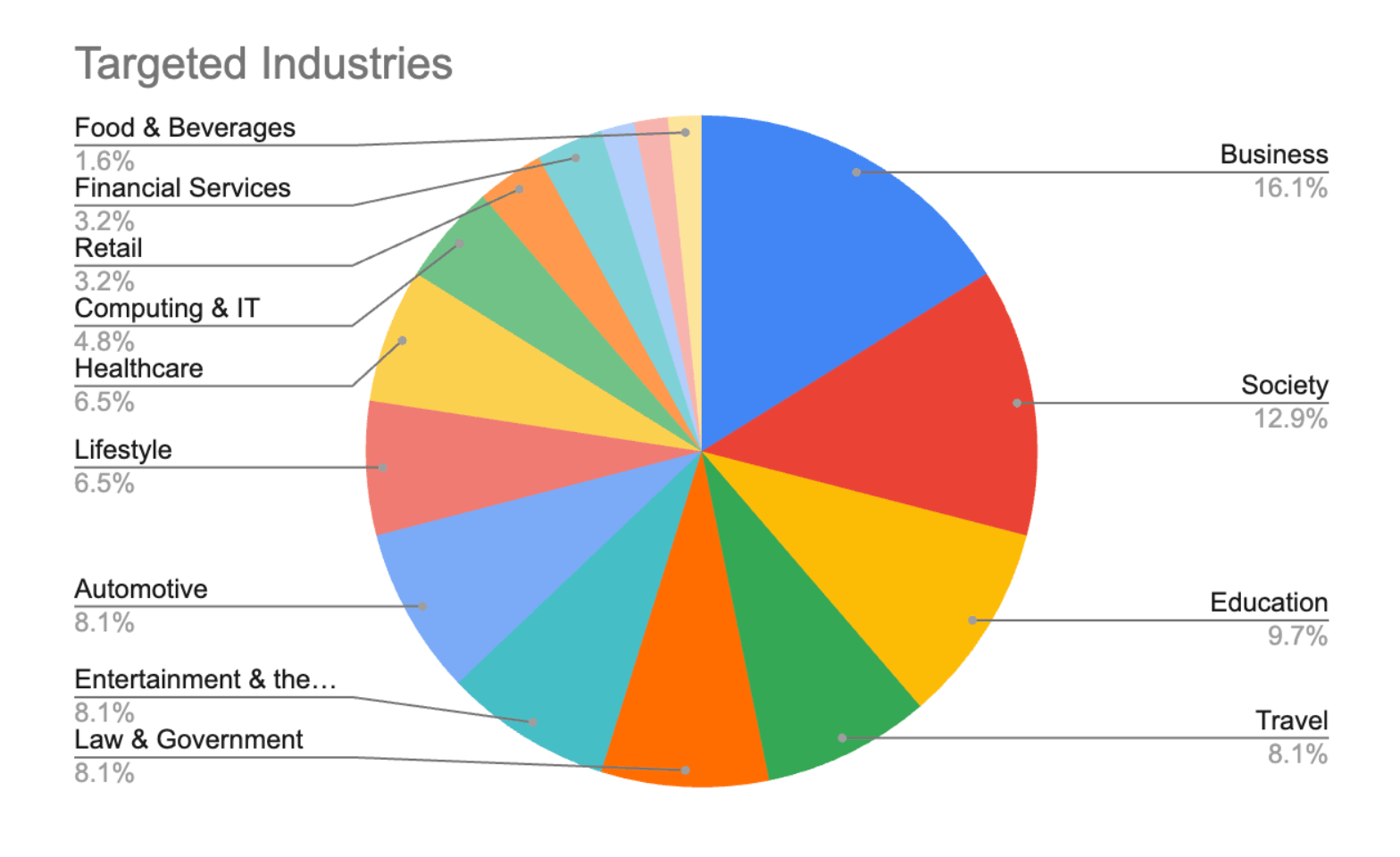
  • Attacks targeting sites across 15 distinct industries and 17 countries, indicating broad scanning and opportunistic exploitation rather than activity concentrated against a single vertical or geography.
  • US-based sites accounted for almost 70% of observed attacks, followed by Barbados and Israel. The heavy concentration against US sites suggests attackers are prioritizing regions with large hosting and web infrastructure footprints, while the presence of smaller geographies indicates automated discovery across exposed internet-facing assets.

Screenshot 2026 04 30 at 10.32.05 AM

  • The most frequently targeted industries were Business, Society, and Education. This distribution reflects the broad deployment of hosting control panels across organizations that maintain public-facing websites, portals, and distributed web infrastructure.

Screenshot 2026 04 30 at 10.32.13 AM 1

While observed volume remains limited compared to mass exploitation campaigns, the spread across industries and countries shows active probing for exposed cPanel and WHM instances. Given the vulnerability’s unauthenticated nature and impact on administrative access, even moderate request volumes warrant urgent attention, and attack volumes will likely grow.

Mitigation and Protection

The definitive remediation for CVE-2026-41940 is to update cPanel & WHM to a patched version immediately. Organizations should also review cPanel’s detection guidance, inspect session files for indicators of compromise, and audit WHM access logs for unauthorized activity. cPanel’s advisory specifically recommends purging affected sessions, forcing password resets for root and WHM users, and checking for persistence mechanisms if indicators of compromise are found.

Imperva customers using Cloud WAF and WAF Gateway are protected against exploitation techniques associated with CVE-2026-41940. Imperva’s web application firewall inspects HTTP traffic for malicious patterns, helping block attempts to abuse authentication workflows and session-handling behavior before they reach vulnerable systems.

For customers with Cloud WAF, protection is automatically applied. Customers with WAF Gateway should refer to the manual mitigation guide sent by Imperva support teams and provided in the Imperva Community Guide.

Conclusion

CVE-2026-41940 represents a critical risk for organizations running exposed cPanel & WHM infrastructure. Its combination of unauthenticated access, low attack complexity, and potential administrative impact makes it a high-priority vulnerability for patching, monitoring, and incident review.

Imperva customers are protected against exploitation attempts associated with this vulnerability through Imperva’s web application firewall protections and HTTP traffic inspection capabilities. Organizations running cPanel & WHM should still apply vendor patches immediately, validate their deployed versions, and review available logs and session artifacts for signs of compromise.

Try Imperva for Free

Protect your business for 30 days on Imperva.

Start Now