





In this article, we disclose our latest findings we made on Perforce protocol P4 (Helix Core) between command line client and server, and reveal how a threat actor could leverage it to conduct attacks.
This security issue affects P4 (Helix Core) before P4 (Helix Core) 2025.2 Patch 2, was patched and was attributed a CVSS score of 7.7 (CVSS:4.0/AV:N/AC:L/AT:P/PR:N/UI:P/VC:H/VI:H/VA:H/SC:L/SI:L/SA:L). See our recommendation section and the Perforce advisory for more information.
Perforce Helix Client is a version control system often used for large projects and teams that work with many files or large assets.
While Git and SVN are great for many projects, Perforce shines in environments with massive codebases or large binary files, like game development or VFX. It handles millions of files efficiently, lets teams lock files to prevent merge conflicts on non-text assets, and supports partial checkouts so developers don’t need the entire repository locally.
Perforce operates on a centralized client-server architecture model, where the command-line client (p4) communicates directly with a centralized Perforce server responsible for managing the repository, metadata, and access controls. This communication can be established through Perforce’s native protocol (default port 1666) or wrapped into HTTPS to ensure encrypted data transmission.
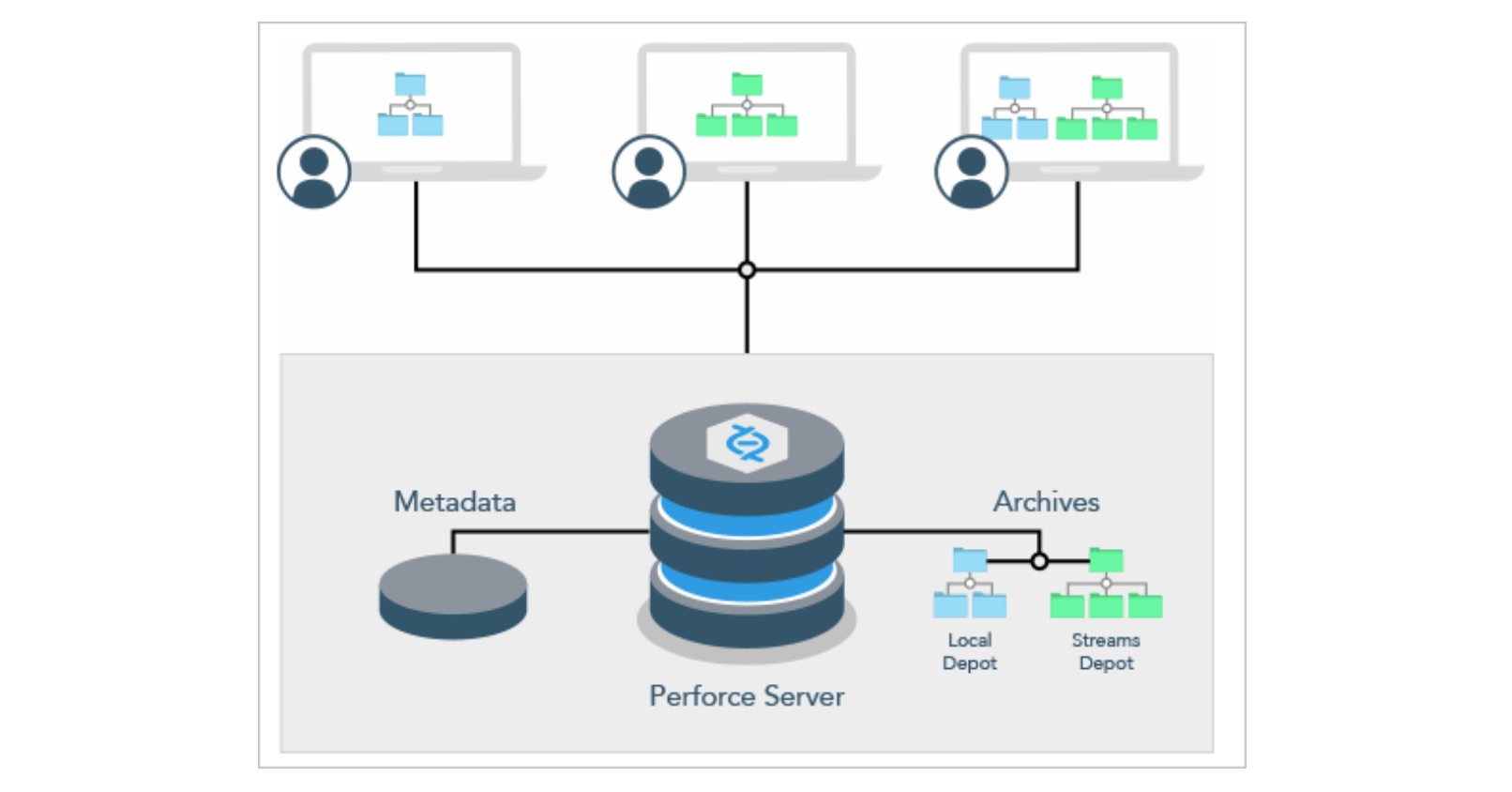
Fig. 1: Basic single server architecture
Eventually, whenever the P4CONFIG variable is set (usually .p4config), the client automatically loads configuration variables such as P4USER, P4PORT, P4CLIENT and P4PASSWD from the designated config file discovered in the current directory or home directory. This hierarchical configuration resolution applies within the scope of P4CLIENTPATH, allowing workspace-specific configurations to override global system settings.
The Perforce client-server communication relies on a custom binary protocol, in which each message carries a set of parameters and a handler name designating the operation to be executed by the receiver. Multiple messages can be chained within a single exchange.
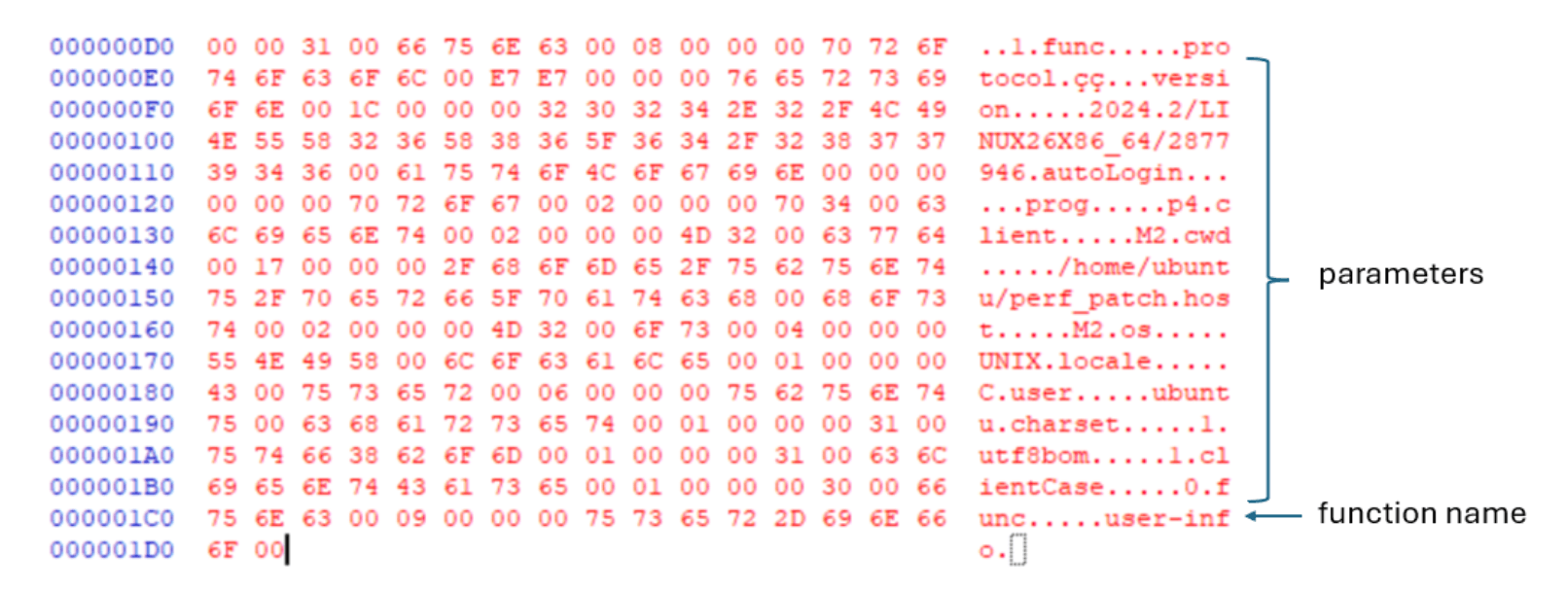
Fig. 2: Extract from a clear traffic dump of a p4 info request
This communication can be secured by SSL while the fingerprint of the server is added into a trust local file located at P4TRUST (itself defined in the p4 config file).
During our investigation, we recorded the server traffic of several sensitive responses (triggering SSO response, writing files with arbitrary content to arbitrary location, etc. ) and observed that no validation of server response exists in the client side:
Beyond the risk of replay attacks, the last point makes the following scenario possible:
Indeed, the P4LOGINSSO environment variable is designed for SSO integrations: when set, the p4 client executes its value as a shell command to obtain authentication credentials.
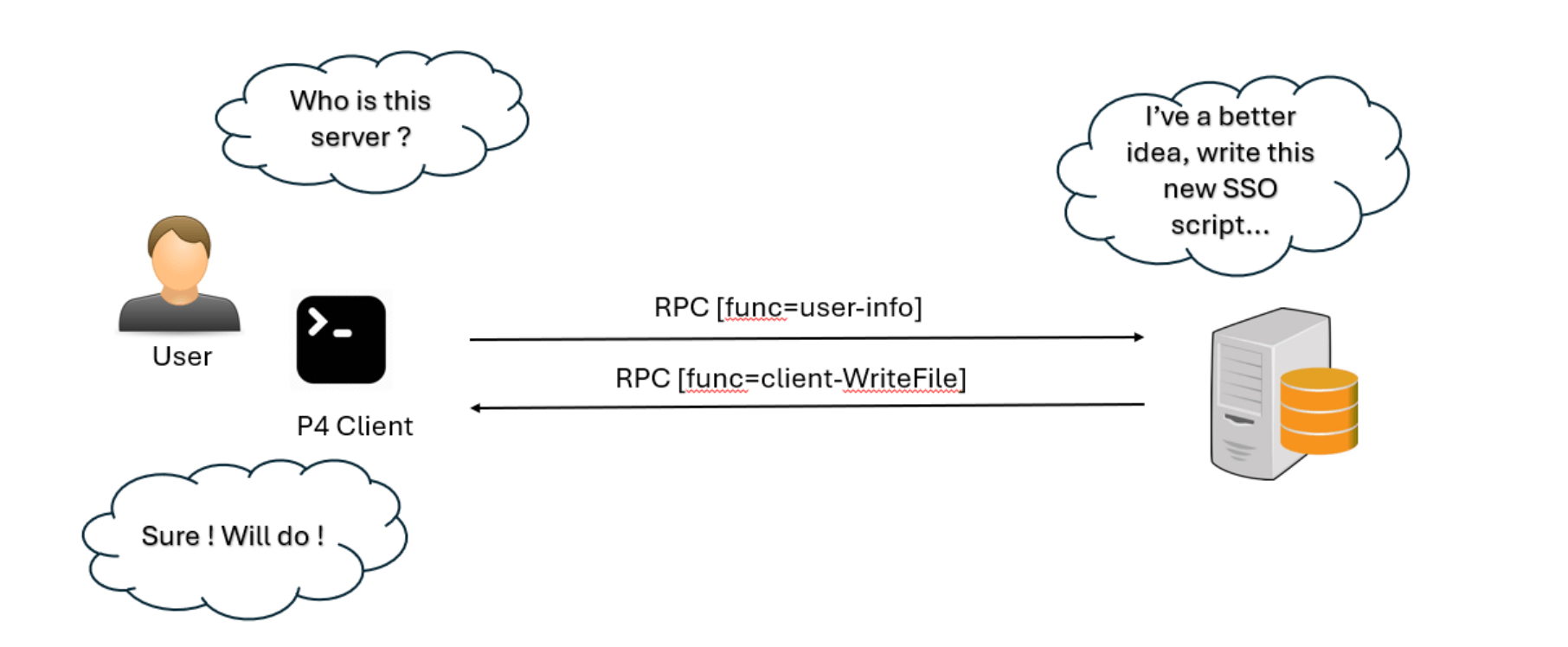
Fig. 3: Illustration of the first attack scenario
Another scenario we presented was the following:
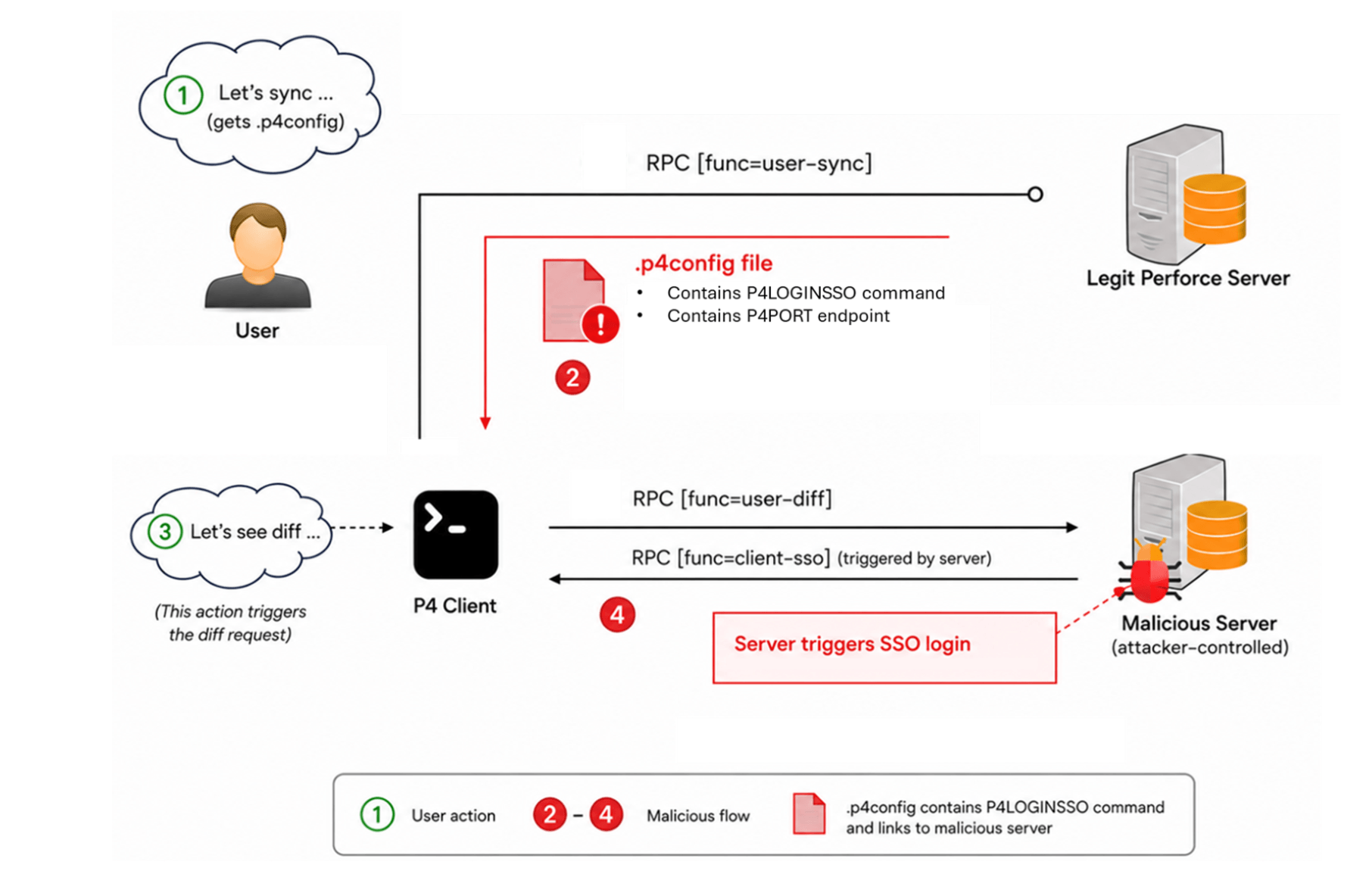
Fig. 4: Illustration of the second scenario
Once exploited, this flaw enables attackers to achieve arbitrary code execution under the victim’s user account: the same context in which the p4 command runs.
This grants full local control, allowing theft of sensitive data (e.g., source code, intellectual property, credentials), modification of files or configurations for persistence or further compromise, and disruption of workflows through file deletion or system resource exhaustion.
In environments handling high-value assets, such as game development studios, VFX pipelines, or large-scale software projects, the business impact can be substantial, including IP loss, production delays, and potential downstream effects on team collaboration or supply chain integrity.
Following the reception of our report, Perforce security team requested an embargo until the release of v2026.1 (May 2026) to give them time to patch this issue.
The fix introduced a built-in protection in the client that prevents syncing or submitting files matching Perforce configuration file names (.p4enviro, .p4config, etc.), regardless of workspace settings. The P4_SYSTEMIGNORE variable can be used to extend this list. However, this does not address the lack of binding between client requests and server responses, nor the absence of a replay timeout or session id.
Update your system to the latest available version.
Organizations using Perforce command line client should treat this issue seriously and adopt the following guidelines:
This vulnerability in the Perforce Helix Client highlights how widely used version control systems can contain overlooked risks in their core client-server communication, assumptions that the server is always trustworthy or responses are inherently safe.
In environments with massive, distributed asset pipelines, such protocol-level gaps can quietly expose teams to compromise through everyday interactions like querying server info or loading shared configurations.
As development tools evolve toward greater automation, integration, and reliance on external or unvetted endpoints, these subtle trust boundaries deserve renewed scrutiny. This finding is a reminder that supply chain attacks do not require compromising a central registry: embedding a malicious configuration file in a shared project artifact could be sufficient to achieve code execution across an entire team.
October 20 2025 – Disclosure sent to Perforce security team.
October 21 2025 – Report acknowledged by the Perforce security team.
March 9 2026 – Patch released for 2025.2 and backported to prior supported versions.
May 18 2026 – Release of 2026.1 and publication of the security advisory.
Protect your business for 30 days on Imperva.
此内容由惯性聚合(RSS阅读器)自动聚合整理,仅供阅读参考。 原文来自 — 版权归原作者所有。