






Sign up to see the future, today
Can’t-miss innovations from the bleeding edge of science and tech
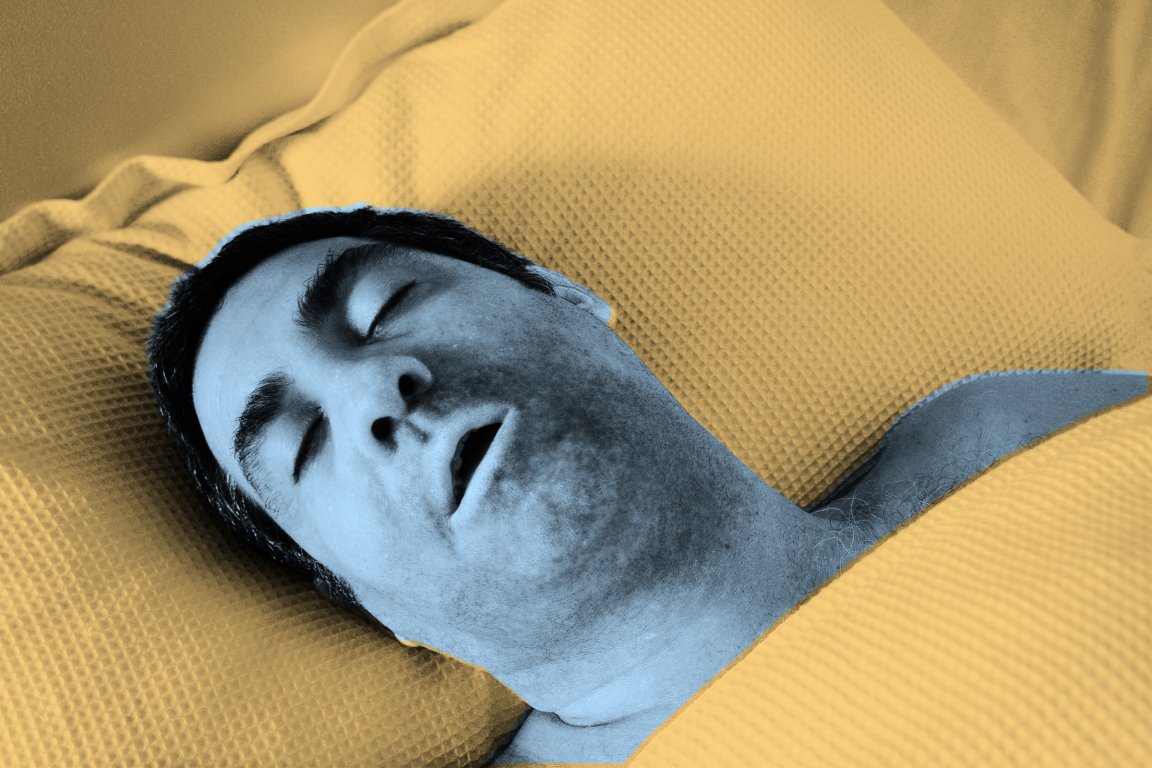
How much should we sleep each night? It’s the age-old question that makes almost nobody happy, since most of us know at the back of our chronically shut-eye deprived minds that we don’t get enough of it.
But on the flip-side, new research suggests there’s such a thing as excessive sleep, too. In a study published in the journal Nature, scientists narrowed down a “sweet spot” of between 6.4 and 7.8 hours of sleep per night. Sleep durations that fall too much on either side of that, the study found, were associated with accelerated aging.
This cuts against the traditional wisdom that everyone should get around eight hours of sleep per night, and it also notably contrasts with some studies that found that less than seven hours of sleep per night is associated with a higher risk of negative health outcomes like high blood pressure and heart disease.
“Too little sleep is bad and too much sleep is bad,” Mark Lachs, co-chief of the Division of Geriatrics and Palliative Medicine at Weill Cornell Medicine and New York-Presbyterian Hospital, who wasn’t involved in the study, told the Washington Post. “It is a Goldilocks kind of phenomenon.”
The optimal amount of sleep is highly dependent on the individual, with some needing as few as six hours, and others as much as nine. A rare few — less than one percent of the population — thrive off of just four hours of sleep per night with no health consequences; scientists are still trying to understand why, with current research focusing on a mutation in a gene that modulates the production of orexin, a hormone that regulates sleep. (Whatever the cause, we’re envious.)
In this latest work, the researchers analyzed biomedical data on 500,000 volunteers collected from another long-term study, the UK Biobank, with the goal of developing a biological aging clock for the body’s organs. They examined data including self-reported sleep durations, MRI images of organs, and blood plasma and metabolomics data.
“The hypothesis is that different organs, even within the same person, age at different rates,” lead author Junhao Wen, an assistant professor of radiology at Columbia University, told WaPo.
Their analysis found a U-shaped pattern between sleep and biological age gaps, with smaller deviations from the sweet spot associated with less aging, and larger deviations with more.
Both sides of the U were intriguing. Less than six hours of sleep was associated with increased risk of disease and all-cause mortality, which is lower than the typical seven hours of sleep that other studies have set as the minimum. And on the other side, these negative effects were also associated with more than eight hours of sleep.
There are limitations to the study. The UK Biobank data set skews mostly toward people of White European ancestry. And the researchers say there’s more of a direct link with the effect of short sleep, because they can’t rule out that a worse biological aging clock, or essentially poorer health, could be partially causing longer sleep instead of vice versa, as when someone who’s sick or depressed may need to sleep longer than someone who’s healthy.
Chances are that you need to get a little more sleep, but, according to these findings, probably not as much as you think.
“I would treat this as guidance,” Wen told WaPo. “The key point is consistent sleep time, around 6 to 8 hours per day. We know that’s going to do good for your overall health.”
More on health: They Held a New Olympics Where Athletes Can Take as Many Drugs and Steroids as They Want, and the Funniest Possible Thing Happened