惯性聚合 高效追踪和阅读你感兴趣的博客、新闻、科技资讯
阅读原文 在惯性聚合中打开

推荐订阅源

D
Docker
爱范儿
爱范儿
T
The Exploit Database - CXSecurity.com
量子位
T
Tailwind CSS Blog
T
Threatpost
The GitHub Blog
The GitHub Blog
AWS News Blog
AWS News Blog
云风的 BLOG
云风的 BLOG
K
Kaspersky official blog
P
Proofpoint News Feed
博客园 - 司徒正美
L
LangChain Blog
T
Threat Research - Cisco Blogs
C
CERT Recently Published Vulnerability Notes
罗磊的独立博客
酷 壳 – CoolShell
酷 壳 – CoolShell
博客园 - 叶小钗
S
Secure Thoughts
The Last Watchdog
The Last Watchdog
Spread Privacy
Spread Privacy
H
Hacker News: Front Page
T
Troy Hunt's Blog
Cyber Security Advisories - MS-ISAC
Google DeepMind News
W
WeLiveSecurity
A
Arctic Wolf
Apple Machine Learning Research
cs.AI updates on arXiv.org
P
Proofpoint News Feed
T
Tor Project blog
T
The Blog of Author Tim Ferriss
I
Intezer
P
Privacy & Cybersecurity Law Blog
美团技术团队
N
Netflix TechBlog - Medium
博客园_首页
OSCHINA 社区最新新闻
OSCHINA 社区最新新闻
V
Vulnerabilities – Threatpost
Application and Cybersecurity Blog
G
Google Developers Blog
Attack and Defense Labs
T
Tenable Blog
月光博客
月光博客
Stack Overflow Blog
Stack Overflow Blog
J
Java Code Geeks
腾讯CDC
Microsoft Security Blog
A
About on SuperTechFans
Last Week in AI
Last Week in AI

博客园 - toong

envoy DDOS HTTP/2 Bomb CVE-2026-47774 安全漏洞分析 P2P与FRP与websocket python运行虚拟化环境 大模型从0到1 绑定网卡中断后是否需要设置RFS linux socket reuse port 小测试 现代C++ envoy timeout 说明 观察中断的脚本 /proc/interrupts openssl查看编译时选项设置的方法 内核ipsec转发优化方法 提高ipsec多核并行能力的优化方法之一 tc qdisc 的burst如何设置 bash模拟netstat取值的脚本 linux内核对MSI网卡队列的smp_affinity亲和CPU选择 bash多并发--进程池数量控制 bash单例模式 linux 分析中断 linux 查看 ipsec 丢包 linux获取CPU利用率的快捷命令 开启openssl legacy的方法
linux内核rps与rfs机制分析
toong · 2025-07-08 · via 博客园 - toong

在多核时代。

做linux网络优化时,如果是硬件网卡,可以通过配置硬件多队列的方式,开启多核并行处理。

如果是单队列的网卡,或者vethernet这种软件网卡。可以配置RPS,进行软件分发。

(如果是开启了多队列的硬件网卡,一般建议不需要开启RPS)

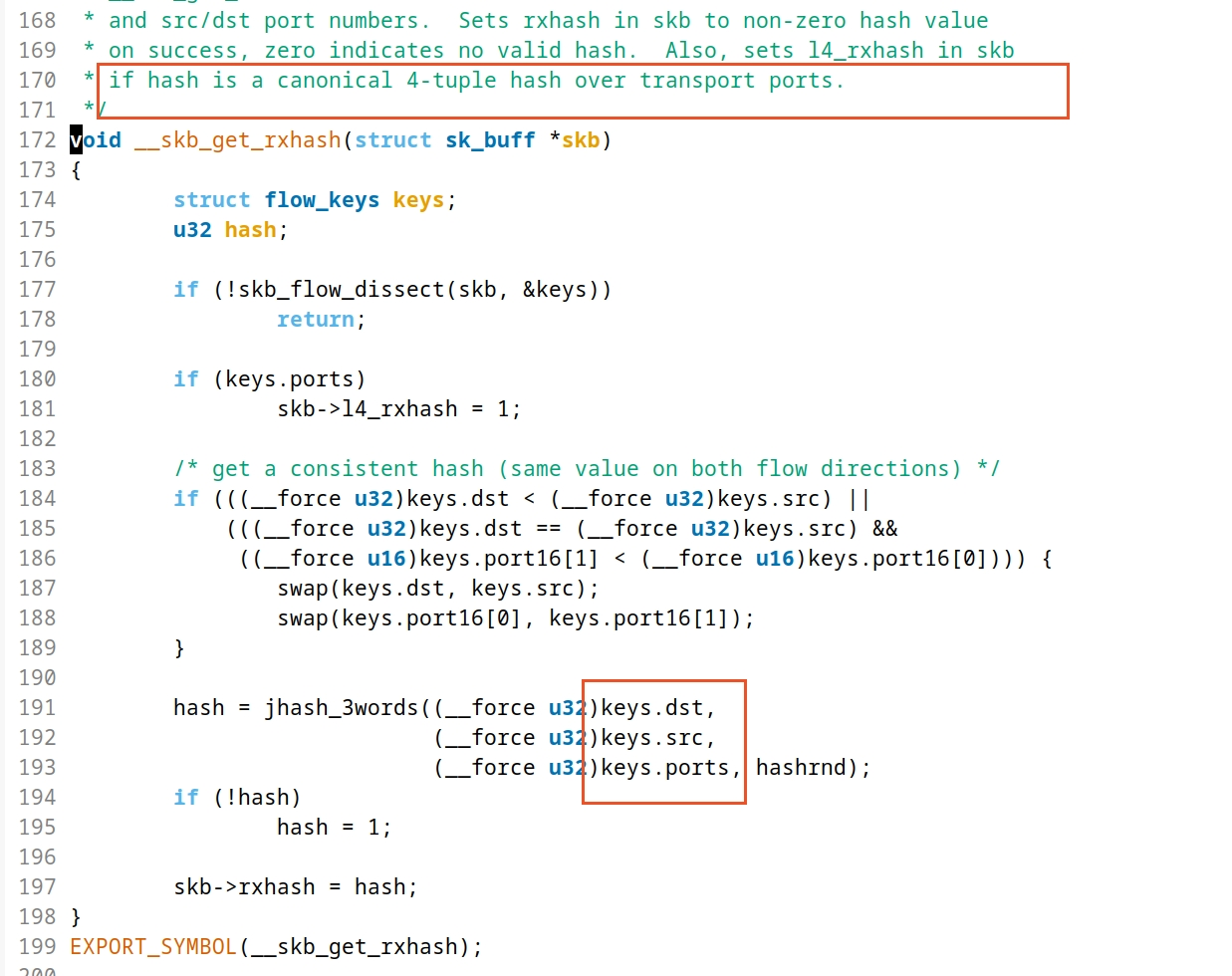
RPS是指,收到包之后,用四元组做hash,选择对应的处理CPU

见linux代码
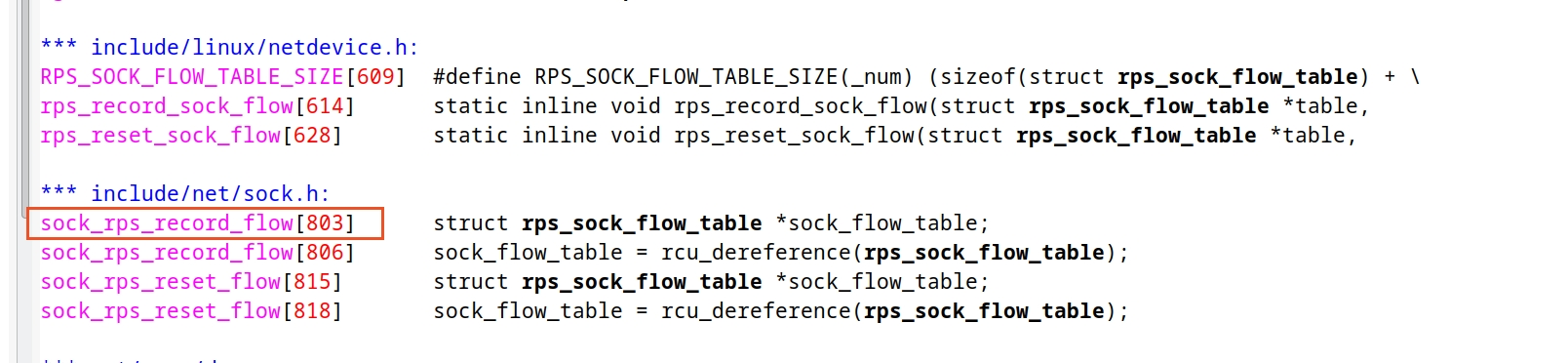
RFS是指在RPS hash选CPU之前,查一个flow表,这个表里记录了,应该选择哪一个CPU。

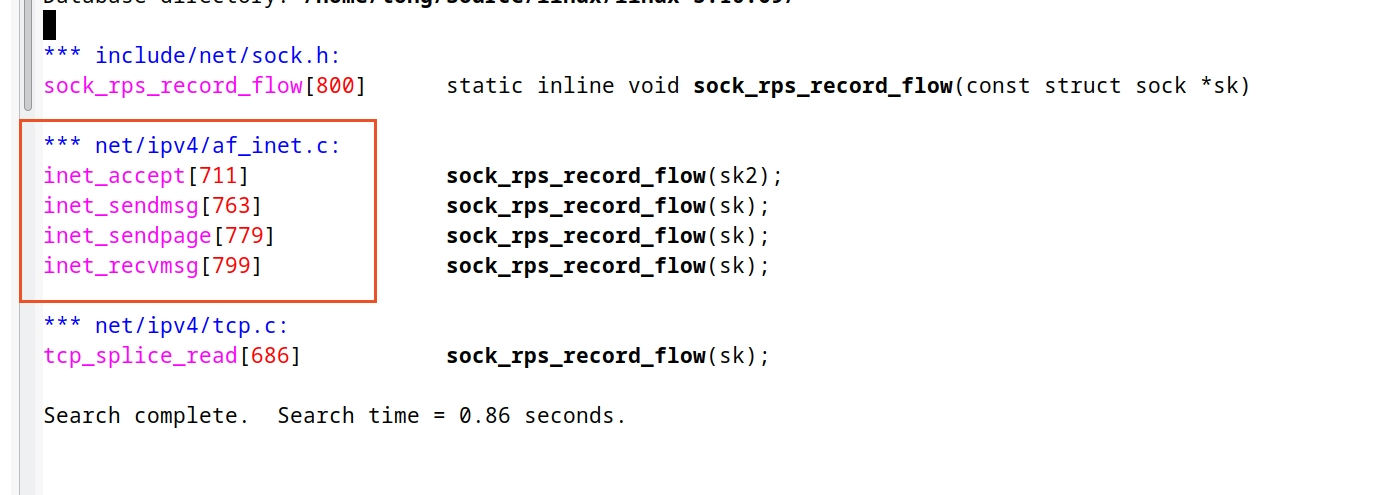
表里的值,是socket上送时记录的,为了更好的和软件做亲和。
所以如果是nginx这类应用程序,RFS就比较有用。如果是forward,就没啥用,但是也没有坏处,所以依然可无脑配置。

所以最佳实践是,配置了RFS之后还需要配置应用程序的CPU绑定。

https://docs.redhat.com/en/documentation/red_hat_enterprise_linux/6/html/performance_tuning_guide/network-rfs