

惯性聚合 高效追踪和阅读你感兴趣的博客、新闻、科技资讯
阅读原文 在惯性聚合中打开

推荐订阅源

Cyber Security Advisories - MS-ISAC
G
Google Developers Blog
S
SegmentFault 最新的问题
Microsoft Security Blog
J
Java Code Geeks
罗磊的独立博客
H
Hackread – Cybersecurity News, Data Breaches, AI and More
量子位
P
Proofpoint News Feed
博客园 - 【当耐特】
MongoDB | Blog
MongoDB | Blog
L
LangChain Blog
F
Fortinet All Blogs
C
Check Point Blog
博客园_首页
I
InfoQ
Jina AI
Jina AI
Blog — PlanetScale
Blog — PlanetScale
OSCHINA 社区最新新闻
OSCHINA 社区最新新闻
酷 壳 – CoolShell
酷 壳 – CoolShell
Engineering at Meta
Engineering at Meta
美团技术团队
Vercel News
Vercel News
Apple Machine Learning Research

Futurism

Light Pollution is Causing Fish to Live Miserable, Bitter Lives, Researchers Find Massive Data Center Cooks Nearby Residents Alive Amidst Deadly Heatwave We've Blown So Far Past a Doomer 2014 Climate Project That It's Scary All But Five US States Are Currently Experiencing Droughts Government Scientists Fired by Trump Launch New Website for Sharing Climate Data Mass Deaths Attributed to Brutal Heat Wave Trump's Reflecting Pool Is No Match for the AlgaeBTQ Agenda Scientists Say New Method Turns Coffee Grounds Into High-Potency Renewable Fuel Illinois Is Getting Battered by Freak Tornadoes Musk Furious After SpaceX Stock Gets Worst Possible Report Card Volunteer Under Investigation for Cleaning Polluted River Without a License, Faces Two Years in Prison Weather So Brutal That Dean Passes Out at College Graduation Out-of-Control Icebergs Are Wreaking Havoc on the Oceans The Funniest Possible Thing Happened After Trump Painted the Lincoln Reflecting Pool Blue Scientists Detected Strange Rumbling Beneath Utah Almost 50 Years Ago. They Just Figured Out What It Was Earth's Underground Fungus Network Is So Gigantic That If You Stretched It Out, It Would Reach to Other Star Systems Scientists Horrified as Huge Heatwave Hits Antarctica Autonomous Robots Confirmed to Have Killed Human Soldiers The El Niño Situation Is Looking Absolutely Brutal Fish Already Cooking Alive Across the US Ahead of Blistering Summer Heat Temperatures Soaring So High That Trump’s UFC Fighters May Just Collapse in the Heat Solar Just Produced More Electricity Than Coal for the First Time in the History of the United States California Primed for Apocalyptic Earthquake, Geological Research Finds Scientists Detect Massive Structure Under Antarctica New Study Finds Something Horrible Contaminating Half of California’s Water Remember How Sucking Carbon Out of the Air Was Going to Save the Planet? We Have Terrible News Trump Desperately Pumps Money Into Dying Coal Industry AI Will Consume as Much Water as a Billion People By 2030, UN Report Estimates Kevin O’Leary Pleads With Locals to Allow His Massive Data Center If He Shrinks It Down to the Size of One Manhattan People Are Not Happy About Google’s Plan to Release Millions of Bioengineered Mosquitoes Into the Wild
Climate Change Is Getting So Bad That It’s Making Food Le...
Frank Landym · 2026-05-04 · via Futurism

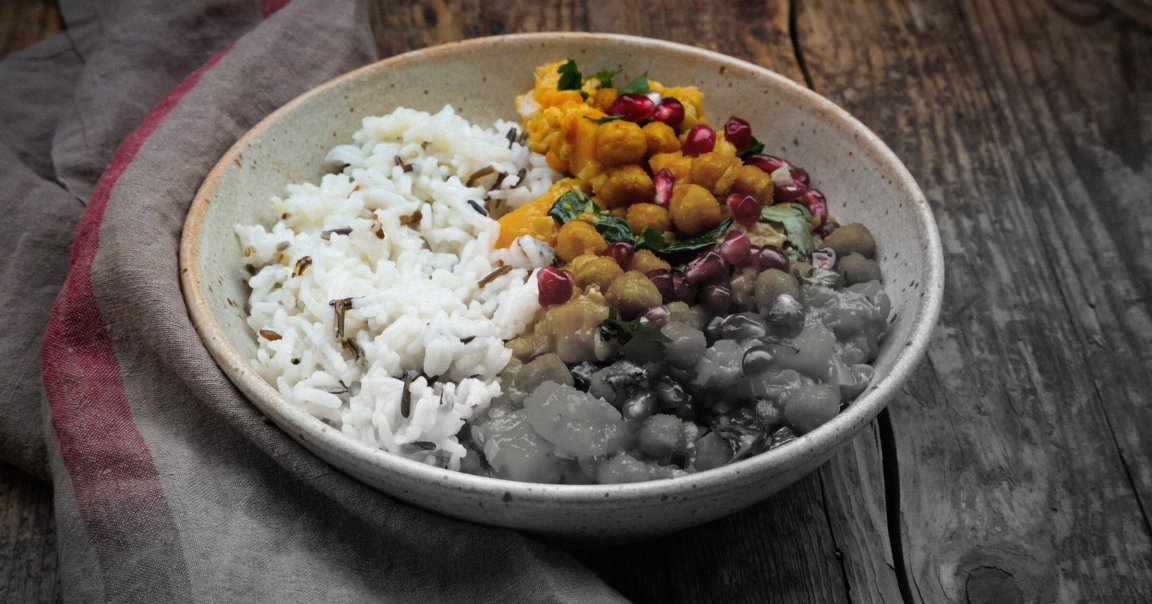
An photograph shows a bowl of grains and vegetables. The bowl is placed on a rustic wooden surface with a gray cloth featuring a red stripe underneath.

Getty / Futurism

Sign up to see the future, today

Can’t-miss innovations from the bleeding edge of science and tech

Climate change’s effects often aren’t obvious.

In a particularly lateral example of how our planet’s changing environment is coming to affect our lives, scientists are now warning that our increasingly CO2-suffused atmosphere is causing the plants we eat to be less nutritious. Though the changes are subtle, they could already be endangering millions of people with poor diets, and hundreds of millions if the trend holds in the coming decades.

“The diets we eat today have less nutritional density than what our grandparents ate, even if we eat exactly the same thing,” Kristie Ebi, a professor at the University of Washington’s Center for Health and the Global Environment, told The Washington Post.

In a study published in the journal Global Change Biology in November, a team of researchers in the Netherlands surveyed the nutrient levels of 43 crops, ranging from rice to soybeans to wheat, in an assortment that represents the vast majority of plants that humans eat. The team found that nutrients like protein, iron, and zinc have fallen by 3.2 percent across all plants since the late 1980s. The culprit, they found, was an uptick in atmospheric carbon dioxide.

It’s not a drastic plummet, but it’s the beginning of an alarming trajectory. As billions of peoples’ diets already teeter on the verge of malnutrition, study lead author Sterre ter Haar warned that those few percentage points could push millions of people into a health crisis. A quarter of the world’s population is already believed to have anemia, a condition in which the body is incapable of producing enough blood cells to carry oxygen.

Plants thrive off CO2, converting it into sugars that provide them energy, so it may sound counterintuitive that more CO2 could be making them less nutritious. But their nutritional value, to us at least, comes from minerals absorbed through the soil. The greenhouse gas may help the crops grow bigger and faster, but their nutrient uptake remains the same, diluting their concentration, according to WaPo.

That’s not all. The over-abundance of CO2 means plants don’t need to open their microscopic pores, called stomata, to let in air. When the stomata open, some of the water a plant contains evaporates. Since the stomata are open less frequently, they’re also drawing less water though their roots — water that crucially contains the minerals we need.

“The plant is becoming more efficient, but it’s occurring at a price, from a human perspective,” Lewis Ziska, a plant biologist at Columbia University who studied the phenomenon for more than two decades, told WaPo.

The price is steep. An additional 175 million people could suffer problems from a zinc deficiency due to plunging nutrient levels in food from CO2 pollution, a 2018 study found. And some 1.4 billion women and children could lose four percent of their dietary iron, worsening their anemia, a condition that can cause pregnancy complications, developmental problems, and even death.

More on agriculture: You’ll Spill Your Juice When You Learn How Many of Florida’s Orange Trees This Incurable Bacteria Has Already Infected