


惯性聚合 高效追踪和阅读你感兴趣的博客、新闻、科技资讯
阅读原文 在惯性聚合中打开

推荐订阅源

雷峰网
雷峰网
Y
Y Combinator Blog
酷 壳 – CoolShell
酷 壳 – CoolShell
The Cloudflare Blog
博客园_首页
J
Java Code Geeks
A
About on SuperTechFans
人人都是产品经理
人人都是产品经理
量子位
C
Check Point Blog
让小产品的独立变现更简单 - ezindie.com
博客园 - 三生石上(FineUI控件)
L
LangChain Blog
N
Netflix TechBlog - Medium
Hugging Face - Blog
Hugging Face - Blog
B
Blog
美团技术团队
Microsoft Security Blog
P
Proofpoint News Feed
freeCodeCamp Programming Tutorials: Python, JavaScript, Git & More
宝玉的分享
宝玉的分享
罗磊的独立博客
MongoDB | Blog
MongoDB | Blog
Last Week in AI
Last Week in AI

Futurism

Light Pollution is Causing Fish to Live Miserable, Bitter Lives, Researchers Find Massive Data Center Cooks Nearby Residents Alive Amidst Deadly Heatwave We've Blown So Far Past a Doomer 2014 Climate Project That It's Scary All But Five US States Are Currently Experiencing Droughts Government Scientists Fired by Trump Launch New Website for Sharing Climate Data Mass Deaths Attributed to Brutal Heat Wave Trump's Reflecting Pool Is No Match for the AlgaeBTQ Agenda Illinois Is Getting Battered by Freak Tornadoes Musk Furious After SpaceX Stock Gets Worst Possible Report Card Volunteer Under Investigation for Cleaning Polluted River Without a License, Faces Two Years in Prison Weather So Brutal That Dean Passes Out at College Graduation Out-of-Control Icebergs Are Wreaking Havoc on the Oceans The Funniest Possible Thing Happened After Trump Painted the Lincoln Reflecting Pool Blue Scientists Detected Strange Rumbling Beneath Utah Almost 50 Years Ago. They Just Figured Out What It Was Earth's Underground Fungus Network Is So Gigantic That If You Stretched It Out, It Would Reach to Other Star Systems Scientists Horrified as Huge Heatwave Hits Antarctica Autonomous Robots Confirmed to Have Killed Human Soldiers The El Niño Situation Is Looking Absolutely Brutal Fish Already Cooking Alive Across the US Ahead of Blistering Summer Heat Temperatures Soaring So High That Trump’s UFC Fighters May Just Collapse in the Heat Solar Just Produced More Electricity Than Coal for the First Time in the History of the United States California Primed for Apocalyptic Earthquake, Geological Research Finds Scientists Detect Massive Structure Under Antarctica New Study Finds Something Horrible Contaminating Half of California’s Water Remember How Sucking Carbon Out of the Air Was Going to Save the Planet? We Have Terrible News Trump Desperately Pumps Money Into Dying Coal Industry AI Will Consume as Much Water as a Billion People By 2030, UN Report Estimates Kevin O’Leary Pleads With Locals to Allow His Massive Data Center If He Shrinks It Down to the Size of One Manhattan People Are Not Happy About Google’s Plan to Release Millions of Bioengineered Mosquitoes Into the Wild We Are Intrigued by This Man Taking His Pet Octopus for a Walk Around His Neighborhood
Scientists Say New Method Turns Coffee Grounds Into High-...
Joe Wilkins · 2026-06-24 · via Futurism

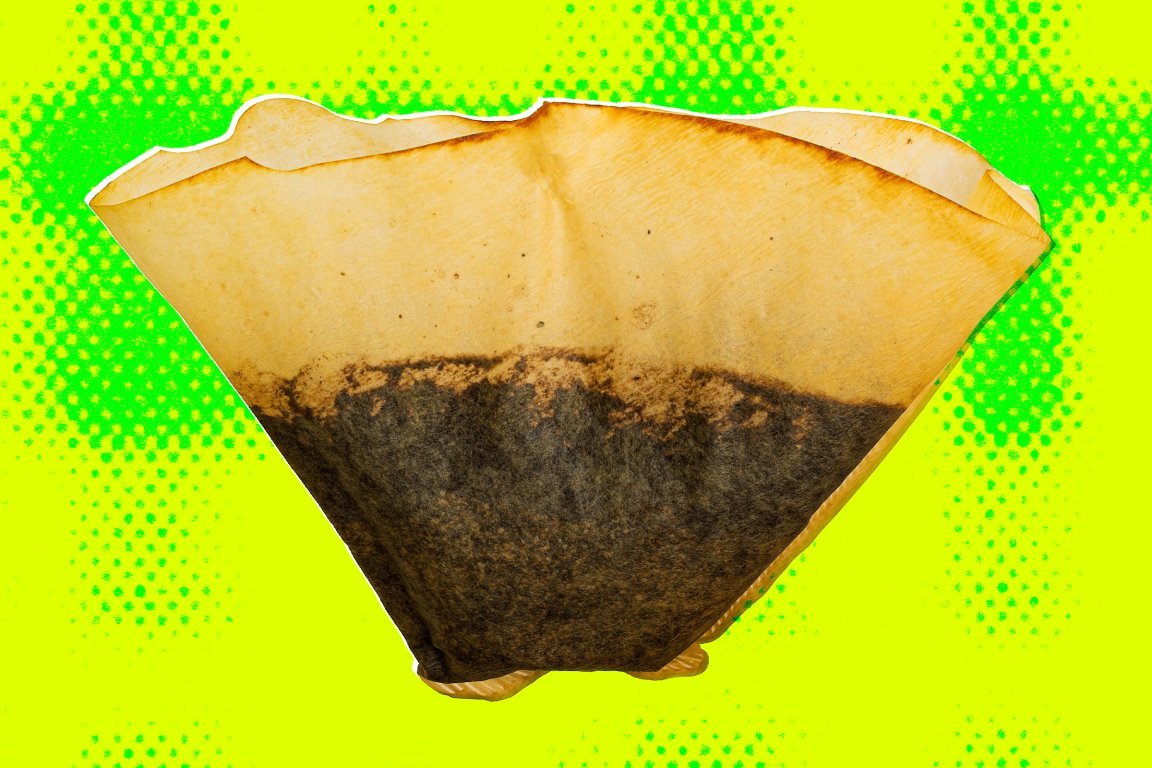
A colorful photo illustration featuring a used filter full of coffee grounds.

Illustration by Tag Hartman-Simkins / Futurism. Source: Shutterstock

Sign up to see the future, today

Can’t-miss innovations from the bleeding edge of science and tech

How long does it take to convert soggy coffee grounds into a highly efficient fuel source? About as long as it takes to brew a fresh pot of java, researchers say.

According to a press release from South Korea’s National Research Council of Science and Technology, a team of researchers at the Korea Institute of Geoscience and Mineral Resources (KIGAM) have developed a method to convert spent coffee waste into high-quality charcoal, known as biochar.

While that’s a feat in and of itself, the kicker is the method’s blistering speed: it takes just 90 seconds from start to finish, with no drawn-out drying process or oil separation required. According to the release, the new technique solves a major issue in extracting the latent energy potential of spent coffee beans.

Though we generate anywhere from 8 to 10 million tons of high-energy coffee waste a year, the vast majority of that ends up occupying space in landfills. While other coffee recycling techniques do exist, the high moisture content of spent beans has made energy extraction a massive chore, preventing the kind of efforts that could give bean juice a second life at scale.

To get around this, the KIGAM team developed a technique known as Flame Plasma Pyrolysis (FPP), in which coffee waste is put under immense pressure using plasma as hot as 1,652 degrees Fahrenheit. Basically, the method superheats the moisture trapped within the beans to kick off hundreds of microscopic explosions, leading to the creation of tiny, porous structures, and reducing the total biomass by as much as 83.3 percent.

By the end of the process, the researchers were left with a substance “comparable to that of anthracite coal.” According to the researchers, the resulting biochar makes for great fuel, and also has applications as carbon material in industrial and environmental settings.

On top of cutting down the processing time to just minutes — previous methods took hours — they say the FPP process cuts down on pollutants like smoke and tar during heating.

“This technology presents a new paradigm in which waste is no longer viewed as a disposal problem but as a valuable energy resource,” the study’s lead author, Taejun Park, said in the press release. “We plan to expand the technology to various types of high-moisture organic waste and further optimize the process for industrial-scale commercialization.”

More on renewable energy: Solar Just Produced More Electricity Than Coal for the First Time in the History of the United States