
惯性聚合 高效追踪和阅读你感兴趣的博客、新闻、科技资讯
阅读原文 在惯性聚合中打开

推荐订阅源

J
Java Code Geeks
Stack Overflow Blog
Stack Overflow Blog
B
Blog RSS Feed
C
Check Point Blog
D
Docker
Y
Y Combinator Blog
Recent Announcements
Google DeepMind News
MongoDB | Blog
MongoDB | Blog
博客园_首页
Apple Machine Learning Research
量子位
有赞技术团队
有赞技术团队
IT之家
IT之家
大猫的无限游戏
大猫的无限游戏
D
DataBreaches.Net
M
MIT News - Artificial intelligence
B
Blog
阮一峰的网络日志
阮一峰的网络日志
freeCodeCamp Programming Tutorials: Python, JavaScript, Git & More
腾讯CDC
让小产品的独立变现更简单 - ezindie.com
V
V2EX
月光博客
月光博客

Futurism

Huge Survey Finds the Truth About What mRNA Vaccines Do to the Human Body Peptide That Makes You Tan Linked to Skin Cancer, Doctor Warns Giant Pickup Trucks Are Killing Pedestrians in Incredible Numbers We Are Extremely Skeptical of MidJourney's Weird Device That It Claims Submerges Your Entire Body and Scans It With Ultrasound Trending Surgical Procedure That Changes the Color of Your Eyes Alarms Scientists Parasite That Affects Cognition Has Quietly Infected Billions of People DuckDuckGo's AI Feature Is Telling Users That Trump Died of Rabies Earlier This Month It Sounds an Awful Lot Like They Gave Trump Early Access to an Incredibly Powerful Experimental Weight Loss Drug Research Suggests the Older You Get, the More Weed You Should Smoke TikTok Has Been Completely Taken Over by AI Slop We Are Admittedly a Bit Startled by This Medical Case Report About Giving an Elderly Woman With Advanced Alzheimer's a Gigantic Dose of Psychedelic Mushrooms Just to See What Would Happen Google's AI Overviews Feature Is Telling Users That SCP Horror Fiction Entities Are Real MAHA Furious as Kennedy Moves to Ban Their Medicine: Gas Station Heroin Clavicular's "Botched" Nose Job Illustrates the Dangers of Looksmaxxing Woman's Death Blamed on Hospital's AI System Massive Protests Erupt in the Streets of Kenya Due to the Trump Administration's Mysterious Ebola Facility GLP-1 Drugs Appear to Prevent Cancer, New Research Finds Working From Home Has a Grim Effect on Your Brain, Surprise Research Finds Scientists Concerned Latest Gene Editing of Human Embryos Could “Open the Floodgates” Doctors Inject Human Subjects With First Vaccine Designed by AI New York Accuses Company of Smuggling Injectable Substance Made From Cadavers Psychiatrists Investigating People Who Get Trapped Inside Vivid Daydreams It Turns Out Lookmaxxing Has Some Extremely Emasculating Side Effects Ebola Expert Fears Outbreak Is Heading Into “Nightmare Scenario” Plans Accelerated for Human Trials of Tooth Regeneration Startup Testing Drugs on Freshly Extracted Human Brains That Are Kept On Life Support Woman Alarmed When Her Trusted Therapist Starts Recording Her With AI Apocalyptic “Fungal Storms” Are Now Surging Across the US Kids Are Flying Into Lunatic Rages When Their iPads Are Taken Away Influential Tech Founder Says His Peers Are Suffering From Mass AI Psychosis
AI Is Causing Healthcare Costs to Surge
2026-04-11 · via Futurism

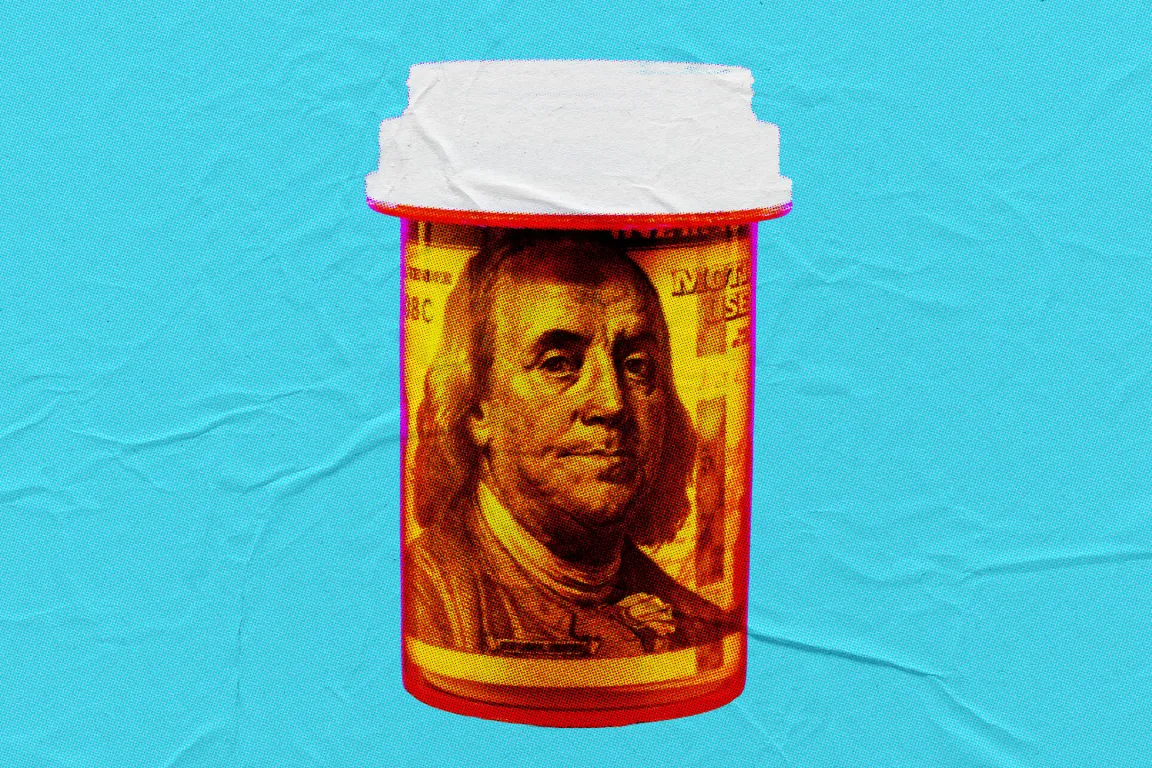
A prescription pill bottle with a label featuring a close-up image of Benjamin Franklin from the US $100 bill, set against a bright blue textured background. The image has a pop art style with vibrant red and yellow tones.

Illustration by Tag Hartman-Simkins / Futurism. Source: Getty Images

Sign up to see the future, today

Can’t-miss innovations from the bleeding edge of science and tech

Since the onset of the AI chatbot boom, tech companies, insurance industry mouthpieces, and healthcare administrators have spun a yarn that introducing AI to healthcare is a surefire way to lower costs for patients.

Mario Schlosser, co-founder and chief technical officer of the medical insurer Oscar Health, has stated that AI was the “only way” to reduce the cost of seeing a doctor in the US over the next three to five years. In 2024, a report by the analyst firm McKinsey argued that AI could generate healthcare savings “as high as $360 billion annually.”

Not only have those bold pronouncements fallen flat, but it sounds like the exact opposite is true. In reality, both hospital administrators and health insurers agree that AI tools have caused health care costs to rise, according to healthcare industry publication Stat.

The main issue revolves around AI “scribes,” which are tools that transcribe live doctor-patient conversations into clinical notes. These scribes, healthcare insiders told the publication, have not translated into financial savings more broadly.

“Right now, ambient scribes are inflationary, and that’s a problem,” Caroline Pearson, executive director at Peterson Health Technology Institute told Stat. “We need technology to help us lower health care costs.”

There are three main causes. The first has to do with the notes themselves. Burnt-out doctors used to take shortcuts on paperwork, writing only the bare-bones notes before sending them off to billings. That meant they were getting paid for “simple” visits, even for cases that are actually complicated. Now that AI is around to record every last detail, many visits are being rated at a higher complexity level, which is used to justify higher billing rates.

The second has to do with software frequently “nudging” doctors to add diagnoses they discussed but didn’t jot down. “Now you have a tool that’s saying, ‘hey, you talking about their UTI, but you didn’t add it to your visit diagnosis. Do you want to add it now?'” chief medical information officer of FMOL Health Bobby DuPre told Stat.

Third is straight up volume — when doctors aren’t stuck typing notes, they have time for more visits. At DuPre’s FMOL, for example, clinicians using AI scribes saw 22 percent more patients overall. As the executive puts it, the “more people they see, the more payment they get.”

All of this has compounded into a system where the tools that were supposed to make healthcare more affordable have actually had the opposite effect — a potent reminder that no technology can magically solve the tension between healthcare driven by profit, and the basic human need for affordable care.

More on AI in healthcare: America’s Largest Hospital System Ready to Start Replacing Radiologists With AI, Its CEO Says