





https://towardsdatascience.com/build-query-knowledge-graphs-with-llms/
Neo4j powers the knowledge graph layer and also stores vector embeddings for semantic search. The core of Neo4j is Cypher, the query language needed to interact with a Neo4j Database. Some of the key other features from Neo4j that are used in this project are:
networkx or python-louvain.LangChain is used to coordinate how LLMs interact with tools like the vector index and the entities in the Knowledge Graphs, and of course with the user input.
I have written a small demo app using Streamlit, a python library that allows developers to build minimal frontend layers without writing any HTML or CSS, just pure python.
In this demo app you will see how to
Streamlit’s main advantages is that it’s super lightweight, fast to deploy, and doesn’t require a separate frontend framework or backend. Its features make it the perfect fit for demos and prototypes such as this one.
 This is what an app looks like in Streamlit
https://github.com/fanqingsong/knowledge-graphs/blob/main/docs/answering-strategies.md
https://microsoft.github.io/graphrag/
https://github.com/microsoft/graphrag
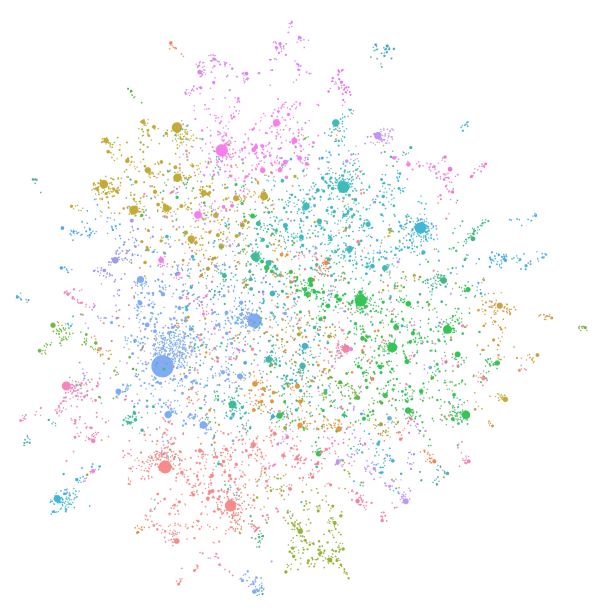
Figure 1: An LLM-generated knowledge graph built using GPT-4 Turbo.
GraphRAG is a structured, hierarchical approach to Retrieval Augmented Generation (RAG), as opposed to naive semantic-search approaches using plain text snippets. The GraphRAG process involves extracting a knowledge graph out of raw text, building a community hierarchy, generating summaries for these communities, and then leveraging these structures when perform RAG-based tasks.
出处:http://www.cnblogs.com/lightsong/ 本文版权归作者和博客园共有,欢迎转载,但未经作者同意必须保留此段声明,且在文章页面明显位置给出原文连接。
此内容由惯性聚合(RSS阅读器)自动聚合整理,仅供阅读参考。 原文来自 — 版权归原作者所有。