





As leaders gather in Dalian, China, for the World Economic Forum's Annual Meeting of the New Champions, one question stands above many others: how do we translate technological innovation into lasting economic impact?
While some developed economies continue to experience modest growth, the Asia-Pacific region is playing an increasingly significant role in global economic momentum.
Not only that but technology, particularly artificial intelligence (AI), is rapidly reshaping industries, institutions and societies.
The opportunity for the region is significant but challenges remain in ensuring innovation translates into productivity gains, business growth, job creation and improved quality of life across the region.
Across Asia-Pacific, innovation is taking many forms: Japan’s high quality and trust, advanced manufacturing and AI in China, automation and AI in mining and resources in Australia, digital economy growth in India, AI-enabled supply chains and fintech across Southeast Asia and Singapore’s regional innovation hub.
These developments highlight the broader reality that Asia-Pacific is moving beyond adopting innovations developed elsewhere and is creating, scaling and exporting its own to the world.
However, innovation is just the starting point. The greatest economic benefits are realized when organizations and governments successfully integrate new technologies into the way they operate, which is where many leadership teams are now focused.
Over the past two years, many organizations have explored AI through pilots and proofs of concept. However, creating measurable value from AI requires redesigning business processes, operating models and customer experiences around AI-enabled capabilities.
Across industries, we are seeing examples of this shift. Financial institutions are embedding AI into customer engagement, transaction processing and fraud prevention.
Manufacturers are combining AI with automation and digital twins to improve product engineering and supply chain efficiency. Governments are modernizing public services and improving citizen outcomes through intelligent digital platforms.
The lesson here is that AI tends to create the greatest value when it becomes part of the operating model rather than a standalone technology initiative.
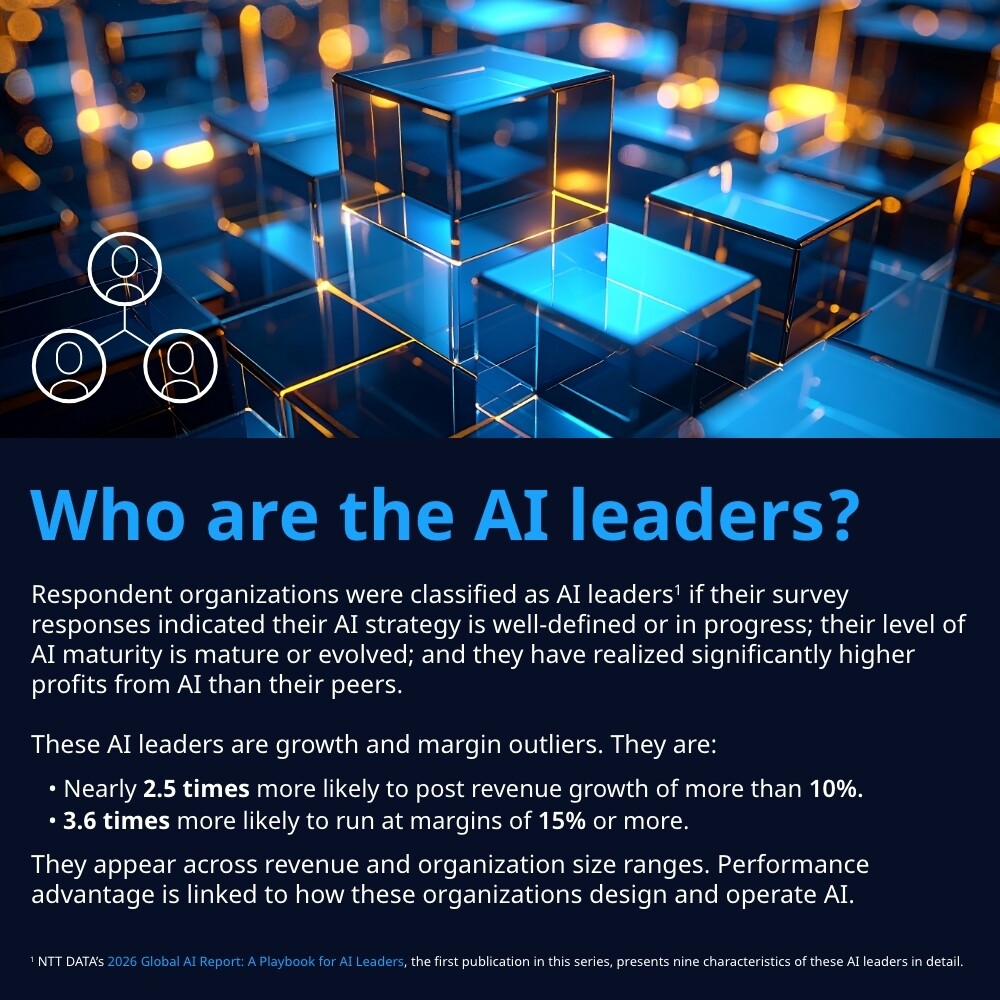
As AI becomes embedded within critical business processes, questions of control, governance and trust are moving to the forefront of boardroom discussions.
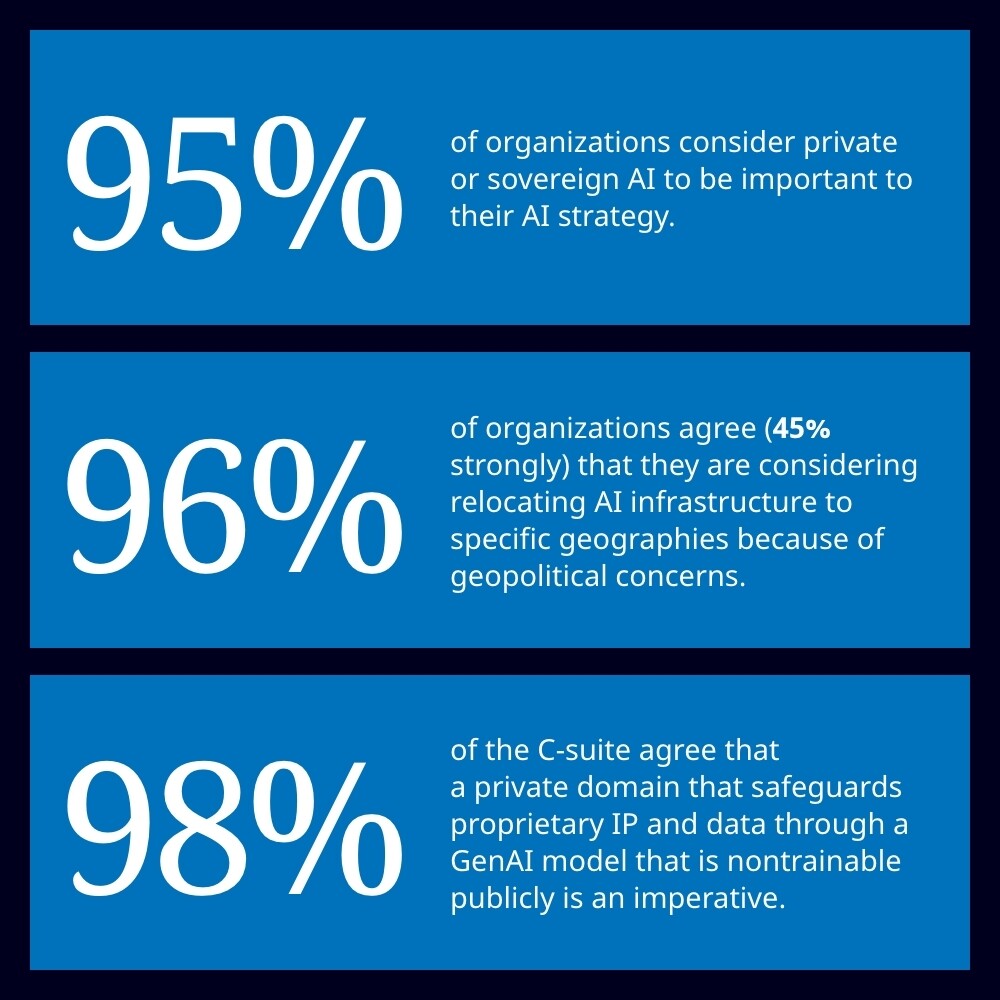
For years, technology architectures have evolved toward greater centralization and globalization. Today, we are seeing the emergence of a more federated model shaped by regulatory requirements and the growing importance of intellectual property protection.
For Asia-Pacific leaders, private and sovereign AI can be framed as a strategic capability that will influence competitiveness, risk management and long-term growth.
Our Global AI Report shows a clear gap between awareness and action: only 29% of organizations are prioritizing sovereign AI in a concrete, near-term way. Those who establish the right infrastructure, governance frameworks and operating models early will be better positioned to scale AI while maintaining control and confidence.
At the same time, advanced frontier AI models are altering the cybersecurity landscape.
AI is accelerating the pace at which vulnerabilities can be identified and exploited. The window between discovery and attack is shrinking, creating new pressures on organizations' ability to assess, prioritize and remediate risk.
Boards are now shifting their focus to responding with sufficient speed and resilience to the new threat environment.
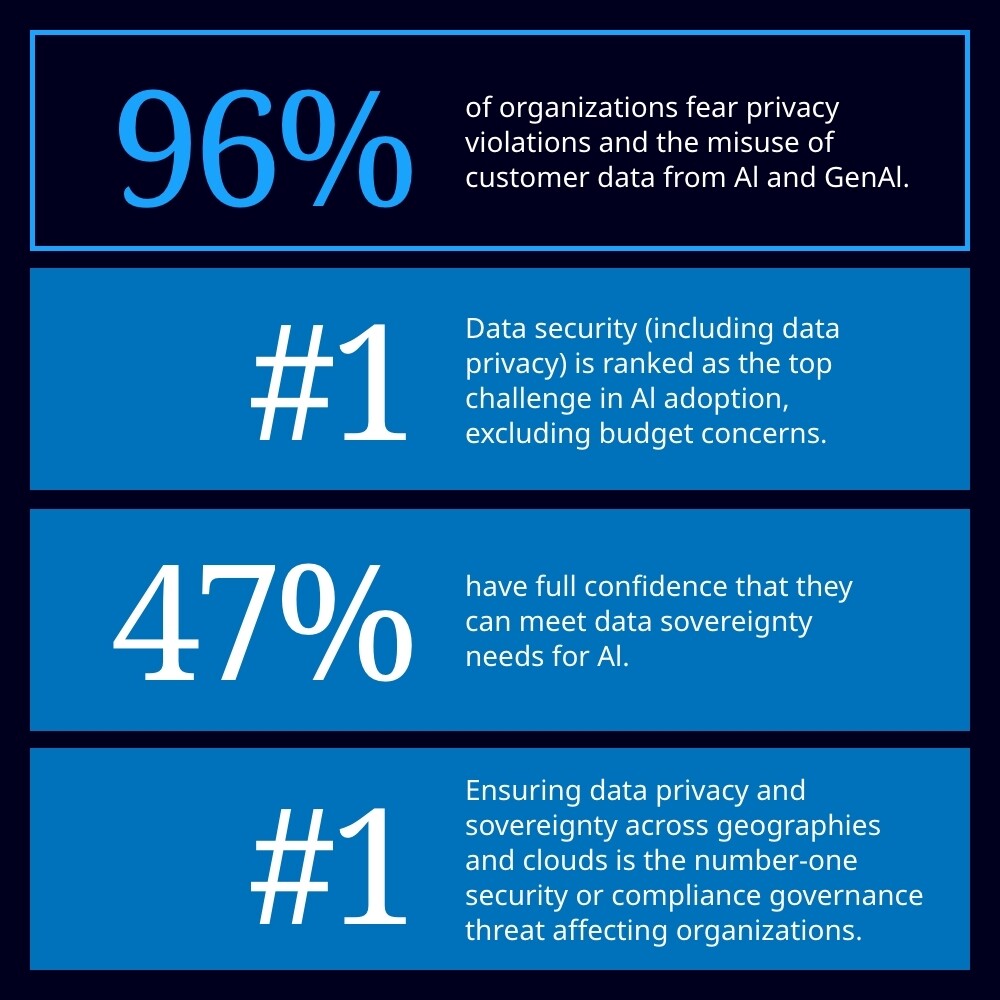
The trust gap is significant, particularly around privacy, data sovereignty and cloud security readiness. Cybersecurity can no longer be viewed as a supporting function. It is becoming a foundational business capability that enables innovation, protects trust and safeguards long-term value creation.
This also means AI risks must be addressed through technology and architecture. Data classification, zero-trust access, encryption, lineage tracking, identity management, and continuous monitoring all need to be built into the way AI systems are designed, deployed and operated.
For AI to scale, it will need infrastructure, including cloud platforms, networks, data centres and energy systems capable of supporting increasingly compute-intensive workloads.
As AI adoption accelerates, leaders must pay closer attention to the physical foundations of digital growth, including energy efficiency, water use, capacity planning and resilience.
NTT DATA’s cloud research identifies sustainability outcomes, including data centre energy consumption, as a leading trust and ethical factor affecting AI adoption and deployment decisions.
This is especially relevant in the Asia-Pacific, where digital demand is expanding rapidly and infrastructure choices will shape competitiveness and sustainability.
Japan’s strengths in advanced networks, energy-efficient infrastructure and initiatives such as IOWN can contribute to a broader regional narrative: responsible AI requires responsible infrastructure.
Few organizations can unlock the full potential of AI and emerging technologies alone.
The opportunities and challenges facing Asia-Pacific require collaboration between businesses, governments, entrepreneurs, investors, academic institutions and technology partners.
This is why co-innovation models are becoming increasingly important. When organizations combine industry expertise, technological capability and local market knowledge, they can move more quickly from concept to impact.
Ultimately, innovation should be measured less by the sophistication of the technology deployed and more by the value it creates for businesses, customers, employees and society.
There is good reason to be optimistic about Asia-Pacific's future. The region is attracting investment, technology adoption is accelerating and AI capabilities are advancing rapidly. New opportunities are also emerging across industries and markets.
However, for organizations to get ahead of the curve in the next decade, they will be those that move beyond experimentation and incremental adoption. They will align technology with strategy, build trusted and sovereign foundations, strengthen cyber resilience and invest in responsible infrastructure capable of supporting AI at scale.
Asia-Pacific has the talent, ambition and momentum to play a leading role in the next phase of global growth.
Innovation is certainly occurring in Asia-Pacific as much as it is across the world. Securing an economic future, however, depends upon turning innovation into impact securely, sustainably and at scale.
此内容由惯性聚合(RSS阅读器)自动聚合整理,仅供阅读参考。 原文来自 — 版权归原作者所有。