





The Dropshipping business model has gained significant popularity in recent times, and for good reason. It provides a low-risk approach to launch an online store without the need for upfront inventory costs, making it an ideal option for entrepreneurs looking to enter the eCommerce market. It’s straightforward to start and execute.
However, like any business model, there are both pros and cons to consider before jumping in.
In this article, we’ll take a detailed look at the dropshipping business model, discussing its advantages and disadvantages, the different dropshipping models available, and how to get started. So let’s see!
At a glance ⬇️
- What is Dropshipping?
- How dropshipping works
- Dropshipping Business Models
- Getting Started with Dropshipping
- Advantages of the Dropshipping business model
- Disadvantages of the Dropshipping business model
What is Dropshipping
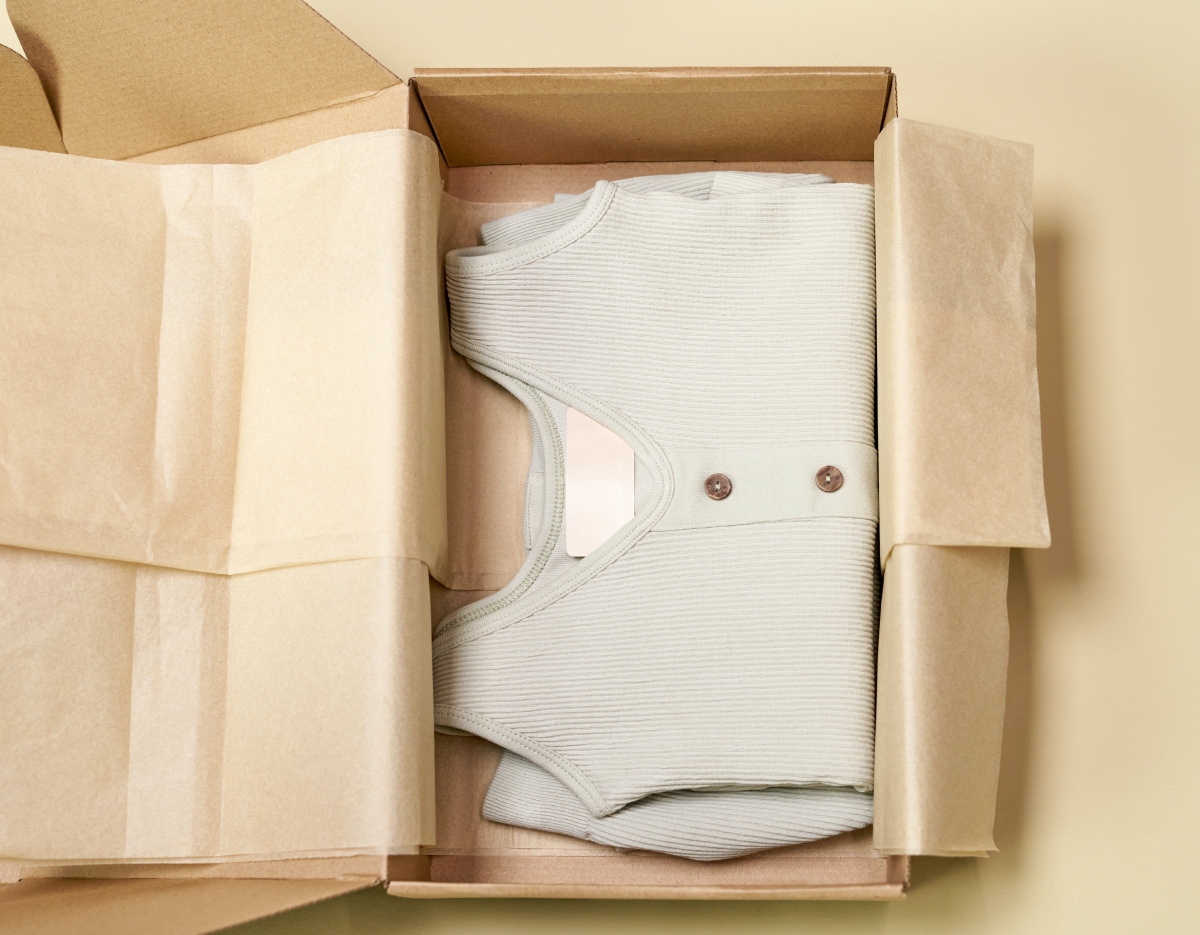
In short, dropshipping is a retail fulfillment method where a store doesn’t keep the products it sells in stock. Instead, when a store sells a product, it purchases the item from a third party supplier and has it shipped directly to the customer. As a result, the vendor never sees or handles the product. Sounds simple, right? Let’s dig deeper 👀
How dropshipping works
In few words, here’s how it works:
- The retailer, who is often the owner of the online shop, passes orders to, and pays the supplier.
- The supplier is then responsible for packaging and shipping the items directly to the end customer, but in the retailer’s name.
This process makes it possible for virtually any product to be dropshipped. To make a dropshipping business profitable, finding good suppliers and marketing to the right audience is key, and its success depends largely on the retailer’s ability to find a balance between product selection, pricing, marketing and supplier management.
Dropshipping Business Models:
There are a few different business models of dropshipping that you can consider:
📌 Single vendor:
This dropshipping model involves working with a single supplier who fulfills all of your orders. This can simplify the process, but can also limit your product selection.
Single vendor dropshipping is a model where the retailer partners with a single supplier who provides all the products to fulfill orders. In this model, the supplier is responsible for maintaining inventory and shipping products directly to customers.
The retailer, on the other hand, takes care of customer service, marketing, and website management.
✅ Pros:
- One advantage of single-vendor dropshipping is that it can simplify the process of setting up a dropshipping business. Retailers only need to partner with one supplier, which means they can get started quickly and with relatively low overhead costs.
- Additionally, having a single supplier can lead to closer collaboration and better communication, which can be beneficial for both parties.
❌ Cons:
- However, the downside to single-vendor dropshipping is that it can limit the range of products available to sell. Retailers are restricted to the inventory of their supplier, which may not have a wide variety of products or may not align with the retailer’s target audience.
- In addition, relying on one supplier also means that any problems with that supplier (such as stockouts or quality issues) can have a significant impact on the retailer’s business.
💡 Overall, single vendor dropshipping can be a good option for new dropshippers who want to start with a simpler setup, but may not be the best choice for those who want to offer a wider range of products. Remember, it’s really important to choose an established vendor that you can trust as with this model, your entire business depends on this particular vendor.
📌 Multiple vendor:
With this dropshipping model, you work with multiple suppliers to offer a wider selection of products. However, this can also make order fulfillment more complex.
The multiple-vendor model of dropshipping involves working with more than one supplier to offer a wider range of products to customers. This can allow you to offer a greater variety of products to your customers, which can be an advantage over competitors who only work with a single supplier.
✅ Pros:
- One of the key benefits of the multiple-vendor model is that it can increase your product selection without the need to hold inventory. Each vendor will fulfill orders for their own products, which can save you time and money on storage and shipping costs.
❌ Cons:
- However, working with multiple suppliers can also come with some challenges. Coordinating with multiple vendors can make the order fulfillment process more complex, which can lead to potential errors or delays.
- You may also face different shipping times and product availability from each vendor, which can impact your ability to fulfill orders in a timely manner.
💡 To mitigate these challenges, it’s important to have clear communication and agreements in place with each supplier.
📌 Custom product:
Some dropshippers specialize in creating custom products. This dropshipping model can require more investment upfront, but can also lead to higher profit margins.
Custom product dropshipping is a niche form of dropshipping that involves creating unique, personalized products for customers.
Unlike traditional dropshipping where products are sourced from suppliers, custom product dropshipping requires the dropshipper to design, manufacture, and fulfill their own products.
✅ Pros:
This model requires more investment upfront as you need to purchase equipment, raw materials, and even hire skilled labor to create the products. However, it also allows you to offer something unique and personalized, which can set you apart from competitors and result in higher profit margins.
Some examples of custom product dropshipping include customized t-shirts, mugs, phone cases, and jewelry. One of the biggest advantages of this model is the ability to create a brand that is entirely unique to you. This can help you stand out in a crowded market and attract loyal customers who value your products.
❌ Cons:
However, custom product dropshipping also comes with its own set of challenges. Designing and manufacturing products requires a high level of expertise and attention to detail, which can be time-consuming and expensive.
Additionally, creating a custom product requires a longer lead time than traditional dropshipping, so you will need to plan accordingly and manage customer expectations.
💡Overall, custom product dropshipping can be a great option for those who are willing to put in the time, effort, and resources required to create something truly unique and special.
Getting Started with Dropshipping:
If you’re interested in starting a dropshipping business, here are some steps to consider:
- Choose your Dropshipping Business Model: Decide on the dropshipping model that will work best for your business needs, such as a single vendor, multiple vendors, or custom product dropshipping.
- Choose a niche: Consider which products you’re passionate about or have experience with. This will make it easier to market your products and build your brand.
- Research suppliers: Look for reliable suppliers who offer competitive pricing and quality products.
- Build your online store: Consider which e-commerce platform you want to use for your online store. Shopify is a popular choice for dropshippers, but there are other options available.
- Set up marketing: Consider how you’ll market your products to potential customers. Social media advertising and influencer marketing are popular strategies.
💡 Finding the right niche and product types can be challenging
Don’t worry! Check here 👉 the most profitable niches
Advantages of Dropshipping business model:
- Low startup costs: One of the biggest advantages of dropshipping is that it requires very little upfront investment. Since you don’t need to purchase inventory before making a sale, you can start your business with minimal costs.
- No inventory management: With dropshipping, you don’t need to worry about managing inventory or warehouse space. This can save you time and money in the long run.
- Wide selection of products: Since you’re not purchasing inventory upfront, you can offer a wide selection of products to your customers without needing to worry about storage limitations.
- Location independence: You can run a dropshipping business from anywhere in the world, as long as you have an internet connection.
Disadvantages of Dropshipping business model:
- Lower profit margins: Since dropshipping suppliers take care of the inventory and shipping, their fees can eat into your profit margins. You’ll need to carefully consider your pricing strategy to make sure you’re still making a profit.
- Less control over the product: With dropshipping, you’re reliant on your supplier to handle the product quality and shipping times. This can lead to issues with customer satisfaction if your supplier isn’t up to par.
- Hidden costs: While dropshipping may seem like a low-cost business model, there are still hidden costs to consider. These include warehouse management, returns, and customer care.
💡 The dropshipping business model can be a good way to start an online shop with minimal initial investment. However, it is important to carefully consider the pros and cons of each business model beforejumping in. If you plan and evaluate the advantages and disadvantages carefully, you can create a successful dropshipping business. So don’t be afraid to start your own business!
About us
The solution to draft, update and maintain your Terms and Conditions. Optimised for eCommerce, marketplace, SaaS, apps & more.