



You might have heard terms like “privacy notice” and “privacy policy” thrown around, especially when visiting websites or signing up for services online. But what do these terms mean, and is there a difference between a privacy policy vs privacy notice? This guide aims to clear up the confusion and explain everything you need to know about privacy notices and privacy policies.
At a glance ⬇️
- What is a Privacy Notice?
- What is a Privacy Policy?
- Privacy Notice vs Privacy Policy: Is There a Difference?
- Purpose of Privacy Notices
- Best Practices
- Creating a Privacy Notice
- Where Do I Publish My Privacy Notice, Policy, or Statement?
- Solutions for Creating a Privacy Policy, Notice, or Statement
- Generate your free privacy policy now!
- FAQs
What is a Privacy Notice?
A privacy notice is a document that businesses provide to explain how they collect, use, and protect your personal data. The General Data Protection Regulation (GDPR), a major privacy law in the European Union, emphasizes the importance of privacy notices. They must be written in clear, straightforward language that anyone can understand. According to GDPR guidelines, a privacy notice should be easily accessible, often found on a website’s privacy policy page. It’s designed to be transparent about data processing activities to users and the public.
What is a Privacy Policy?
The term “privacy policy” is often used interchangeably with “privacy notice.” Essentially, it serves the same purpose: to inform you about the organization’s data processing practices. A privacy policy outlines how your personal information is collected, used, and protected. It’s a fundamental aspect of an organization’s commitment to data protection principles.
Privacy Notice vs Privacy Policy: Is There a Difference?
In the context of GDPR and general privacy practices, “privacy notice” and “privacy policy” refer to the same concept. They are both public documents that describe an organization’s data processing activities. However, the term “privacy notice” is more commonly used in legal contexts or when referring specifically to the GDPR, while “privacy policy” is a more general term often found on websites.
Purpose of Privacy Notices
Privacy notices play a crucial role in bridging the gap between organizations and the individuals whose data they handle, especially in the context of the European Union’s General Data Protection Regulation (GDPR). GDPR marks a significant move towards enhancing the control EU citizens and residents have over their personal data.
A well-crafted GDPR privacy notice is not just a legal necessity; it’s a cornerstone of transparency and trust. It empowers customers by providing them with clear, understandable information about what data is collected, how it’s used, who it’s shared with, and their rights concerning that data. This enables individuals to make informed decisions regarding their personal information.
Failing to adhere to GDPR’s stringent privacy requirements can lead to substantial penalties, including fines of up to 4% of an organization’s global revenue or €20 million, whichever is greater. This underscores the critical importance of compliance and the role privacy notices play in it.
Best Practices
- Accessibility: Privacy notices or policies should be accessible from every webpage of a website, ideally through a direct link. They should also be provided in writing and electronically, where appropriate.
- Clarity: The information must be easy to understand. The GDPR stresses the importance of using clear and plain language.
Creating a Privacy Notice
A comprehensive privacy notice serves as a clear communication tool between your organization and the individuals whose data you collect and process. Here’s what you should include to make your privacy notice effective:
Direct Collection of Personal Data
When your organization collects data directly from individuals, your privacy notice should include:
- Identity and Contact Details: Clearly state the name of your organization, contact details, and information about your representative and Data Protection Officer (DPO), if applicable.
- Purpose and Legal Basis for Processing: Specify why you are collecting personal data and the legal ground you’re relying on, such as consent, contract necessity, legal obligation, or legitimate interest.
- Legitimate Interests: If processing is based on legitimate interests, describe these interests for your organization or a third party.
- Recipients of Data: Disclose any third parties or categories of recipients who will receive the personal data.
- International Transfers: If data is transferred outside the European Economic Area (EEA), detail these transfers and the protective measures in place.
- Retention Period: Explain how long you will retain the data or the criteria used to determine this period.
- Data Subject’s Rights: Inform individuals of their rights regarding their data, including access, rectification, deletion, restriction, portability, and the right to object.
- Right to Withdraw Consent: If processing is based on consent, highlight the individual’s right to withdraw consent at any time.
- Right to Lodge a Complaint: Mention the right to lodge a complaint with a supervisory authority.
- Requirement to Provide Data: State whether providing data is a statutory or contractual requirement and the consequences of not providing data.
- Automated Decision-Making and Profiling: If applicable, provide details about any automated decision-making or profiling that takes place.
Indirect Collection of Personal Data
For data obtained indirectly, include all the above elements with these adjustments:
- Categories of Personal Data: Specify the types of personal data obtained indirectly.
- Exclude details on the statutory or contractual requirement to provide data.
Additionally, per Article 14(3) of the GDPR, when obtaining personal data from a third party, you must inform the data subject with the privacy notice:
- No later than one month after obtaining the data,
- At the time of the first communication with the data subject, or
- Before the data is disclosed to another organization.
Where Do I Publish My Privacy Notice, Policy, or Statement?
Your privacy notice, policy, or statement should be easily accessible:
- On Your Website: Publish it under a clear link, usually in the footer, accessible from every page.
- At Points of Data Collection: If you collect personal data, provide the notice or a link to it where the data collection happens, like signup forms.
- Upon Request: Make it available in other formats, including orally, to ensure it’s accessible to everyone, including the visually impaired.
Solutions for Creating a Privacy Policy, Notice, or Statement
Creating a privacy policy, notice, or statement can seem daunting, but there are several approaches to simplify the process:
1. Template Services
Template services offer a variety of pre-designed templates for creating privacy policies, notices, and statements. These templates are crafted to meet basic data protection standards and can be customized to align with your organization’s specific data processing practices, although they may not meet all the necessary requirements.
2. Privacy Policy Generators
Privacy Policy Generators provide an automated, interactive solution that crafts privacy documentation tailored to your organization’s specific needs. Users respond to questions about their data processing activities, and the tool generates a policy reflecting those details.
3. Seeking Legal Assistance
For organizations seeking customized solutions and legal robustness, consulting with a legal professional specializing in data protection and privacy law is invaluable. Legal experts can create personalized documents and provide strategic advice on compliance.
4. Utilizing Regulatory Guidance
Regulatory entities often provide guidance, best practices, and resources to help organizations understand their obligations under laws like the GDPR. This information can serve as a foundation for your privacy documentation.
| Solution | Pros | Cons |
|---|---|---|
| Template Services |
|
|
| Privacy Policy Generators |
|
|
| Seeking Legal Assistance |
|
|
| Utilizing Regulatory Guidance |
|
|
While the terms privacy notice vs privacy policy may seem different, they refer to the same important document that outlines how an organization handles personal data.
Therefore, regardless of how we refer to them, ensuring that these documents are clear, accessible, and comprehensive not only complies with legal requirements like the GDPR but also builds trust with users.
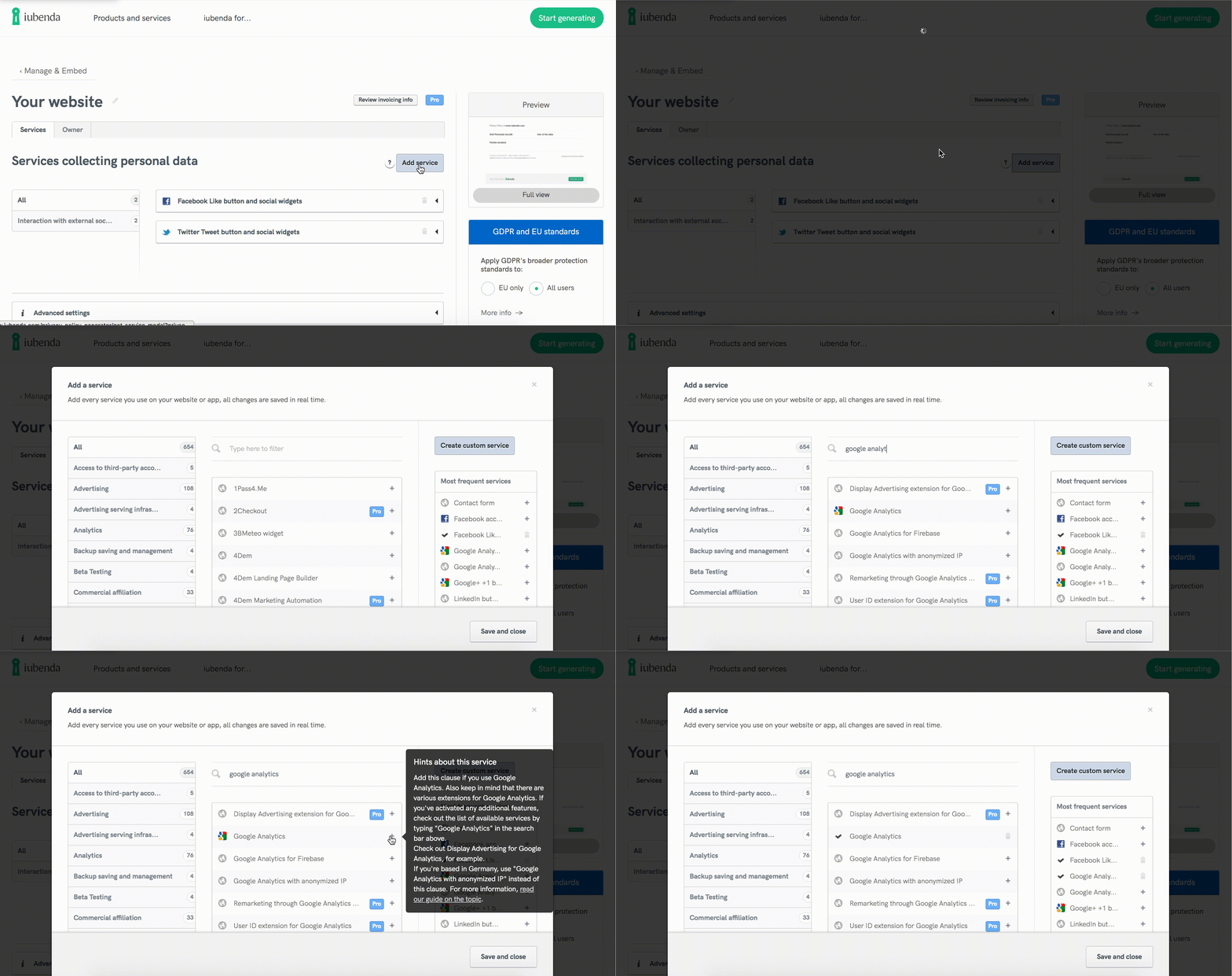
With iubenda’s Privacy and Cookie Policy Generator, it’s easier than you think!
- 🚀 Scan your site with our Site Scanner;
- 🚀 Select and add all the relevant clauses specific to your website (i.e. Google Analytics, social media widgets…);
- 🚀 Generate your privacy policy in one click (all clauses are pre-drafted by lawyers);
- 🚀 Copy and paste the code to add the document to your website’s footer;
- 🚀 Update your document whenever it is needed (required by law).
Create your custom privacy notice in less than 3 minutes
FAQs
What are the two types of privacy notices?
Privacy notices can be categorized based on the timing and method of delivery:
- Layered Notices: Present basic information with options to delve into more detailed explanations. This approach helps avoid overwhelming the reader with information.
- Just-in-Time Notices: Provide information at the moment it’s most relevant, like right before collecting personal data, enhancing transparency and trust.
What is a privacy notice document?
A privacy notice document is a clear, concise statement that organizations provide to individuals, explaining how their personal data is collected, used, and protected. It outlines the purposes of data processing, the legal basis for processing, data storage periods, and individuals’ rights regarding their data.
What is another name for a privacy policy?
A privacy policy is also commonly referred to as a privacy notice, privacy statement or data protection notice. These terms are used interchangeably to describe the document that communicates an organization’s practices around personal data processing.
When should you give a privacy notice?
A privacy notice should be given:
- At the Point of Data Collection: When you collect data directly from individuals, provide them with the notice to ensure they understand how their information will be used.
- Before Data Collection: If personal data is obtained indirectly, ensure the individual is informed about the data collection and its purpose as soon as possible.
Providing privacy notices at these times ensures transparency and compliance with data protection regulations like GDPR, fostering trust between organizations and individuals.