





The hybrid-electric system uses a SAF-compatible gas turbine and generator.

UK-based Vertical Aerospace has begun testing its revolutionary hybrid-electric aircraft, which is capable of carrying troops, cargo, and military supplies across distances of up to 1,000 miles.
Vertical Aerospace, an aerospace manufacturer headquartered in Bristol, revealed that its hybrid-electric propulsion system has officially entered testing on May 19. The trials are being carried out at its dedicated Hybrid Propulsion Evaluation Rig (HYPER) facility at Cotswold Airport in England.
“The HYPER facility enables full system integration and validation of the hybrid powertrain, including the turbine, generator and associated electrical systems, alongside testing of control architecture, system response and fault scenarios ahead of ground and flight testing,” Vertical Aerospace officials, said.
The company spent two years developing the technology at its Vertical Energy Center. It was designed for the firm’s Valo electric vertical take-off and landing (eVTOL) aircraft.
Testing begins at HYPER
The hybrid model could reportedly extend operational range to as much as 1,000 miles, which is about 10 times farther than its all-electric counterpart. It combines a sustainable aviation fuel (SAF) gas turbine with an electric generator.
Vertical aerospace engineers will test how all the elements, including the turbine, generator, and electrical systems, perform together, before the aircraft moves into ground and flight demonstrations. At the HYPER facility, the engineers will evaluate software controls, fault-response and overall system integration under demanding operating conditions.
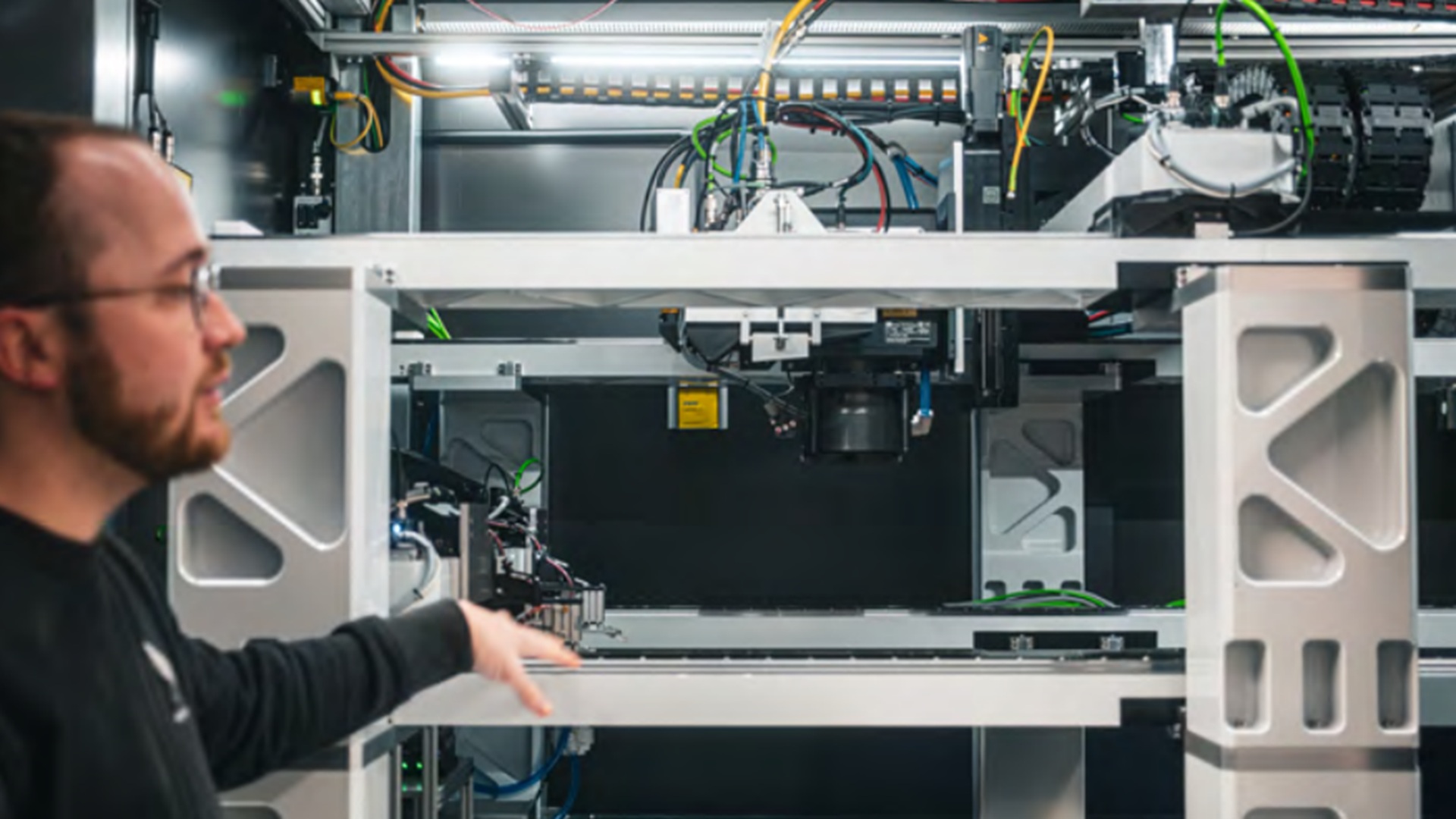
Stuart Simpson, CEO of Vertical Aerospace, believes the hybrid-electric eVTOL can be used for cargo transport, emergency response, and defense operations due to its lower heat and noise signatures compared to traditional aircraft.
He also said the achievement reflects the company’s technological progress. “At the same time, advancing our battery technology and manufacturing capability is critical to certification and scaling production,” Simpson shared. “Together, these milestones demonstrate the strength and breadth of our technology platform.”
According to Vertical Aerospace, the aircraft’s hybrid version could carry payloads of up to 2,425 lbs (1,100 kilograms). It features flexible operating modes, as it can fly with a pilot, remotely or fully autonomously.
Another great milestone
Apart from the propulsion system, the firm also unveiled its first all-electric Valo battery produced on the upgraded production line at the 15,000-square-foot Vertical Energy Centre. The site was enhanced with automated aerospace-grade production processes intended to improve consistency, production speed, and battery performance ahead of certification.
The batteries will now undergo extensive environmental and operational testing before being integrated into certification aircraft. The upgraded assembly line will support both aircraft certification and the initial phase of commercial production.
As the testing moves forward, Vertical Aerospace is targeting certification of the hybrid-electric aircraft with both the UK Civil Aviation Authority (CAA) and the European Union Aviation Safety Agency (EASA). The company currently has about 1,500 pre-orders for its aircraft across four continents. Customers include airlines and aviation groups such as American Airlines, Japan Airlines, and Bristow Group.
“Battery packs produced on the assembly line will be used to support Vertical’s certification aircraft as it progresses through the final stages of certification with the UK CAA and EASA, as well as providing initial production capacity ahead of entry into service,” company representatives concluded in a press release.

Get the latest in engineering, tech, space & science - delivered daily to your inbox.
Based in Skopje, North Macedonia. Her work has appeared in Daily Mail, Mirror, Daily Star, Yahoo, NationalWorld, Newsweek, Press Gazette and others. She covers stories on batteries, wind energy, sustainable shipping and new discoveries. When she's not chasing the next big science story, she's traveling, exploring new cultures, or enjoying good food with even better wine.