





At 1:23 am on April 26, 1986, a routine safety test at one of Chornobyl’s reactors, in today’s Ukraine, then part of the Soviet Union (USSR), led to an explosion that triggered what is believed to be the worst nuclear disaster in history.
But the catastrophe could have been prevented. At Unit 4, one of the plant’s four RBMK-1000 graphite-moderated reactors, technicians were conducting a deeply flawed experiment – one that was, in many ways, destined to fail.
One mistake led to another, until, shortly after midnight, a violent blast tore the reactor apart and released vast amounts of radiation into the atmosphere. Over 100 radioactive elements, tens of millions of curies, were sent drifting across the continent for 10 days.
The disaster killed dozens in its immediate aftermath. The true toll climbed far higher, with scientific bodies estimating up to 4,000 eventual radiation-linked deaths — though some studies put the figure as high as 60,000, and advocacy groups like Greenpeace have cited numbers exceeding 100,000. It also led to the displacement of more than 300,000 people. Entire towns were evacuated.
In response, the Soviet government established a vast exclusion zone, spanning 19 miles around the plant. Much of it remains uninhabitable today. Now, 40 years after the incident Chornobyl stands as both a warning and a lesson, with its legacy still shaping how the world approaches nuclear safety.
Nothing about the disaster came down to a single mistake. That, in many ways, is what made it so consequential.
The Soviet-built RBMK-1000 reactors at Chornobyl were cheaper and faster to construct than Western designs, but they came with a critical flaw: a positive void coefficient, meaning that as coolant turned to steam, the reaction accelerated rather than slowing down. It was a self-amplifying loop built into the design
In an exclusive interview with Interesting Engineering (IE), M. V. Ramana, PhD, a professor and Simons Chair in Disarmament, Global and Human Security at the University of British Columbia (UBC), described how the reactor was configured. “The Chornobyl reactor was fueled with natural uranium, cooled with water, and moderated by graphite,” Ramana said.
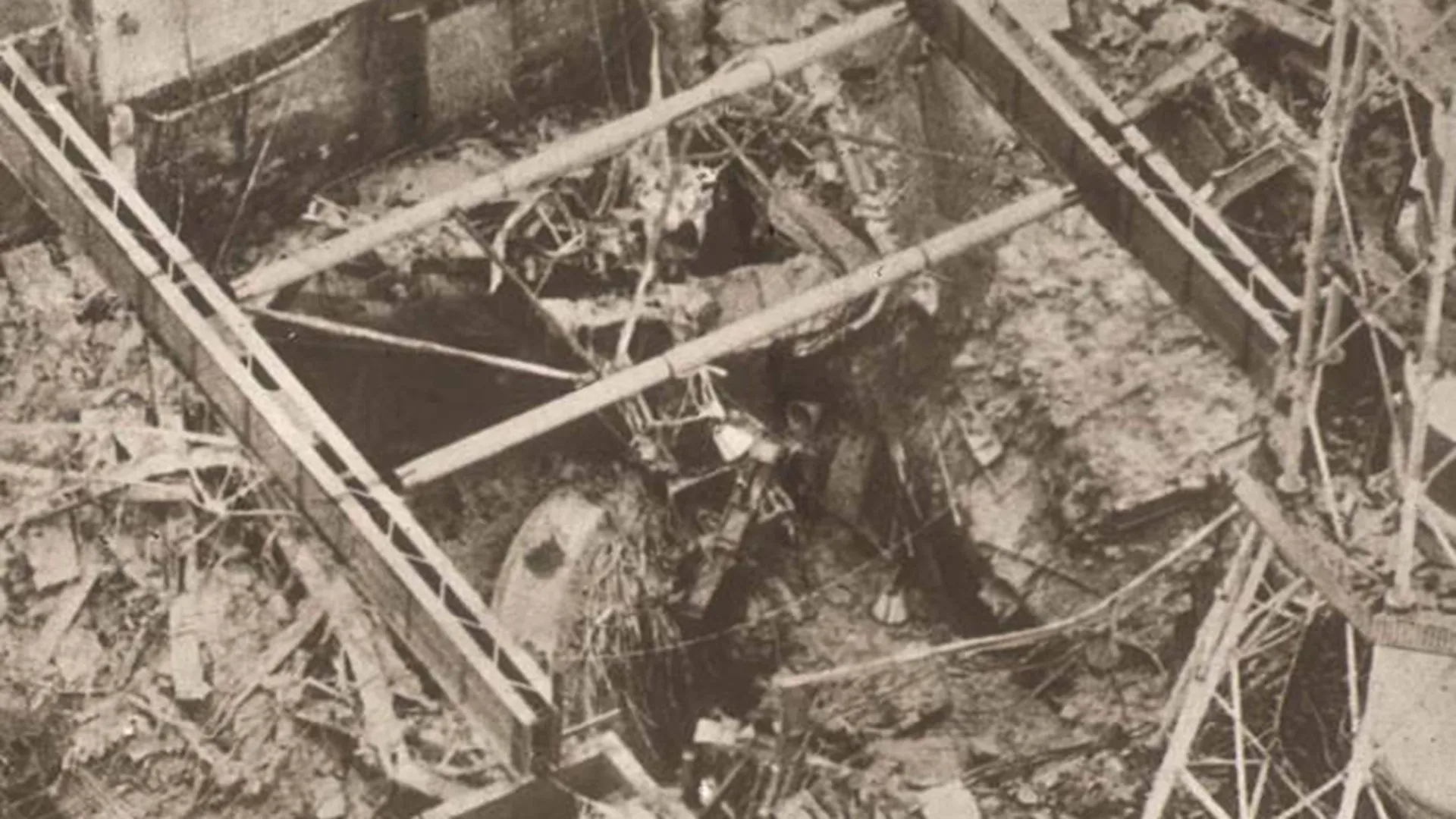
Unfamiliar with the risks, the operators shut down the reactor’s power-regulating mechanism and its emergency core cooling system (ECCS). They also withdrew most of the control rods from the core, leaving the reactor unstable as it continued to run at just seven percent power.
Valery Kashparov, PhD, a radioecologist and professor at the Ukrainian Institute of Agricultural Radiology (UIAR) of NUBiP, confirmed that the accident resulted from a combination of factors. These included a delayed reactor shutdown and entry into an iodine pit (also called a xenon pit).
Operator errors, including violations of safety protocols and the removal of most absorbing rods, also played a role. In addition, inherent design flaws contributed to the disaster, notably the graphite end switches of the neutron-absorbing rods.
The unstable conditions soon reached a breaking point. The chain reaction in the graphite core led to a steam explosion that ripped the reactor apart and lifted its massive 1,000-ton lid. Without a containment barrier, the exposed core started burning and unleashed radioactive particles into the atmosphere. Meanwhile, a partial meltdown further damaged the reactor core.
The explosion released over five percent of the reactor core into the air — more than 100 radioactive elements, including all of the xenon gas and roughly half of the iodine and cesium. Nearby radiation exceeded 200 roentgens per hour, with hotspots reaching 15,000 R/h — levels lethal within minutes. “[A total of] 28 accident cleanup workers (firefighters, station personnel) died from acute radiation syndrome (ARS),” Kashparov told IE.
Georg Steinhauser, PhD, a professor of applied radiochemistry at Vienna University of Technology (TU Wien), who has conducted extensive fieldwork in the Chornobyl Exclusion Zone (CES), found that both the reactor crew and the firefighters were exposed to severe radiation.
“The first radioactive cloud, luckily, was not blown into any inhabited area, rather into a forest that became known later as the red forest,” he noted, speaking to IE. “The conifers in this forest died as a result of the incredible radiation levels: their needles turned red (where the name came from).”
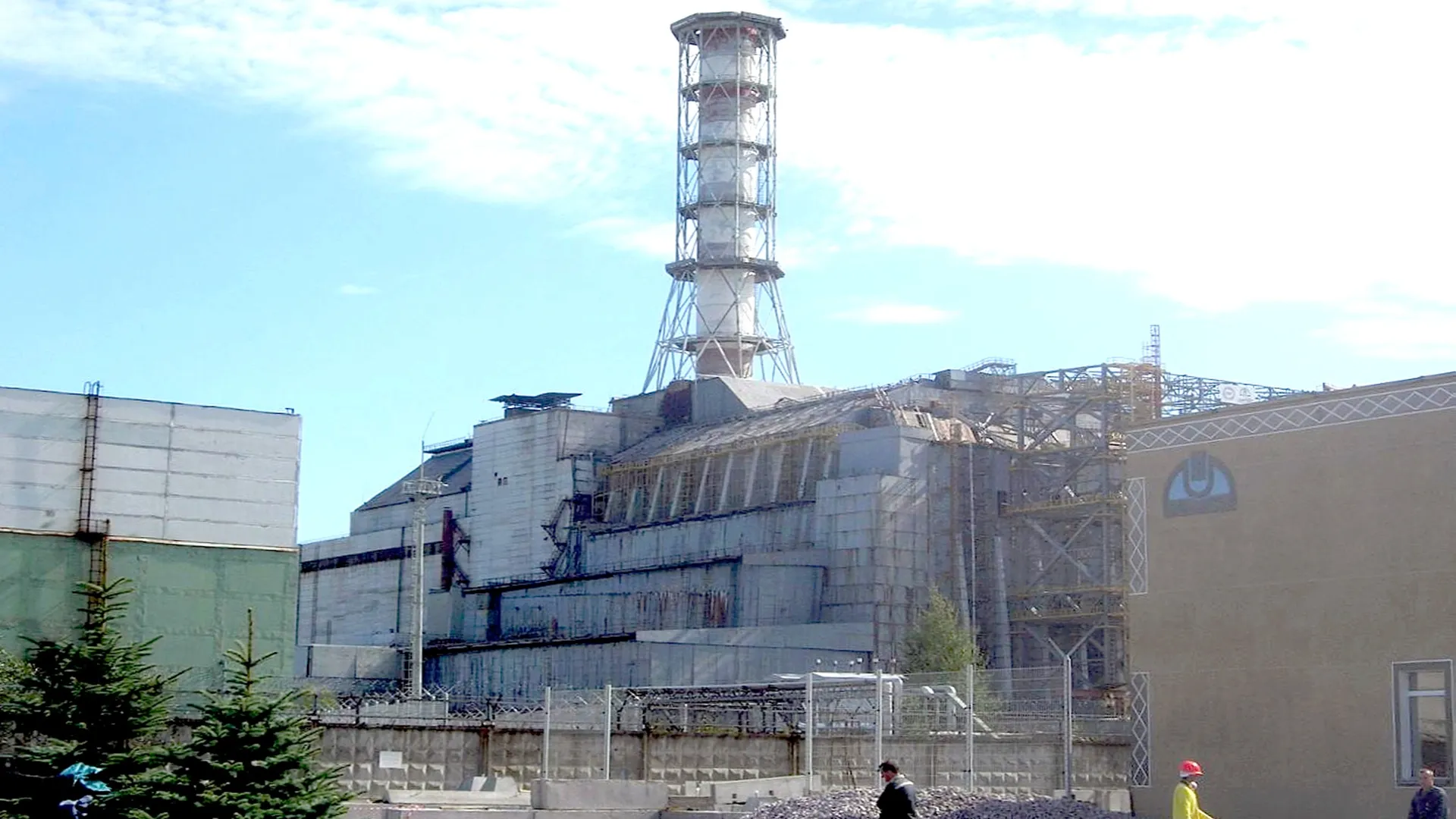
However, the explosion was merely the beginning. “Within days, the radioactive plums contaminated a wide swath of present-day Ukraine, Belarus, and Russia, and reached most of the rest of Europe, as well,” Edwin Lyman, PhD, a physicist and the Director of Nuclear Power Safety with the Union of Concerned Scientists (UCS), told IE. While contamination peaked near the plant, fallout affected 40 percent of Europe. It extended to Asia and North Africa, and even reached North America through atmospheric transport.
As a result, there were mass evacuations. “Hundreds of thousands were evacuated or later relocated from the most highly contaminated areas, and agriculture was affected as far away as Scotland,” Lyman highlighted.
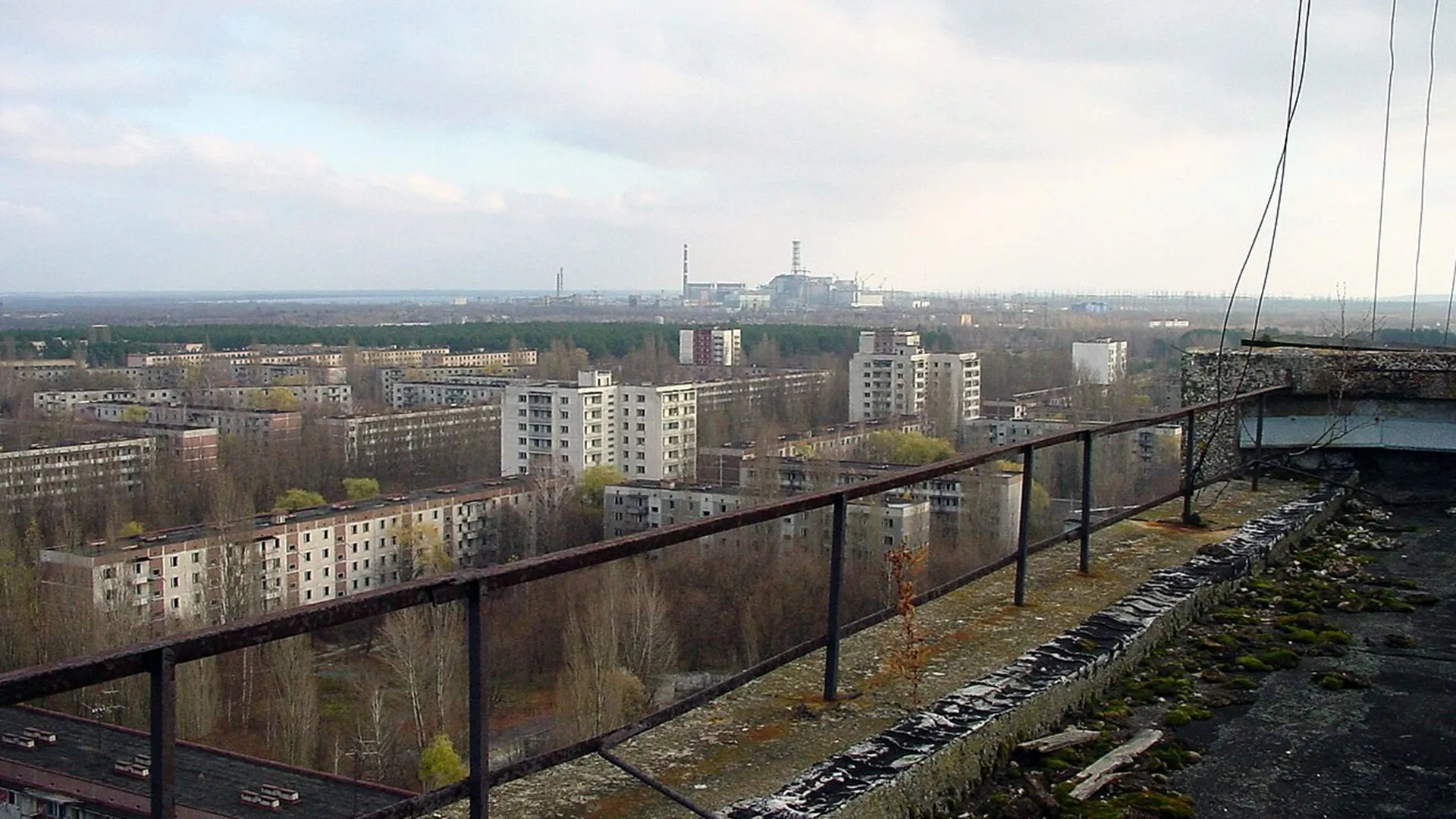
The city of Pripyat — home to 50,000 people and located less than two miles from the plant — was not evacuated until 36 hours after the explosion. A total of roughly 340,000 people were displaced between 1986 and 1994. Around five million remained in contaminated areas. “Roughly 340,000 people were evacuated or relocated between 1986 and 1994,” Kashparov highlighted.
Even so, roughly five million people remained in the contaminated areas. Studies have linked prolonged exposure to ionizing radiation from radioactive fallout to elevated risks of disease, most notably leukemia and thyroid cancer, particularly among children. “It is estimated that around 10,000 cases of thyroid cancer were induced through the accident,” Steinhauser stated. “These cancers were caused by the intake of iodine-131, which has a half-life of only eight days.”
Despite the thriving wildlife sanctuary. Kashparov said that, in the absence of human activity, nature has largely recovered. Whether people can safely return is still in question. “The boundaries of the area where, according to the law, human habitation is prohibited have shifted to a 10-kilometer [6.2-mile] zone around the Chornobyl Nuclear Power Plant due to radionuclide decay.”
Yet, a buffer zone must still exist to separate the residential areas from the highly contaminated ones. “Therefore, there are no plans to change the boundaries of the Chornobyl Exclusion Zone, and the Chornobyl Nature Reserve was established for this purpose,” Kashparov continued.
In fact, the zone is expected to persist for millennia, mainly because of radioactive isotopes, such as plutonium-bearing fuel particles with a half-life of 24,000 years. “These particles exhibit a high radiological hazard when inhaled or otherwise incorporated,” Steinhauser added.
A major share of the 1986 fallout consisted of long-lived isotopes. This includes cesium-137 and strontium-90, which can remain in the environment for hundreds of years. “Cesium-137, in particular, is an external radiation hazard and is hard to effectively clean up,” Lyman emphasized. “Emissions from this isotope contribute to a persistently significant ambient radiation dose above background, so that prolonged exposure in some areas of the CEZ remains hazardous.”
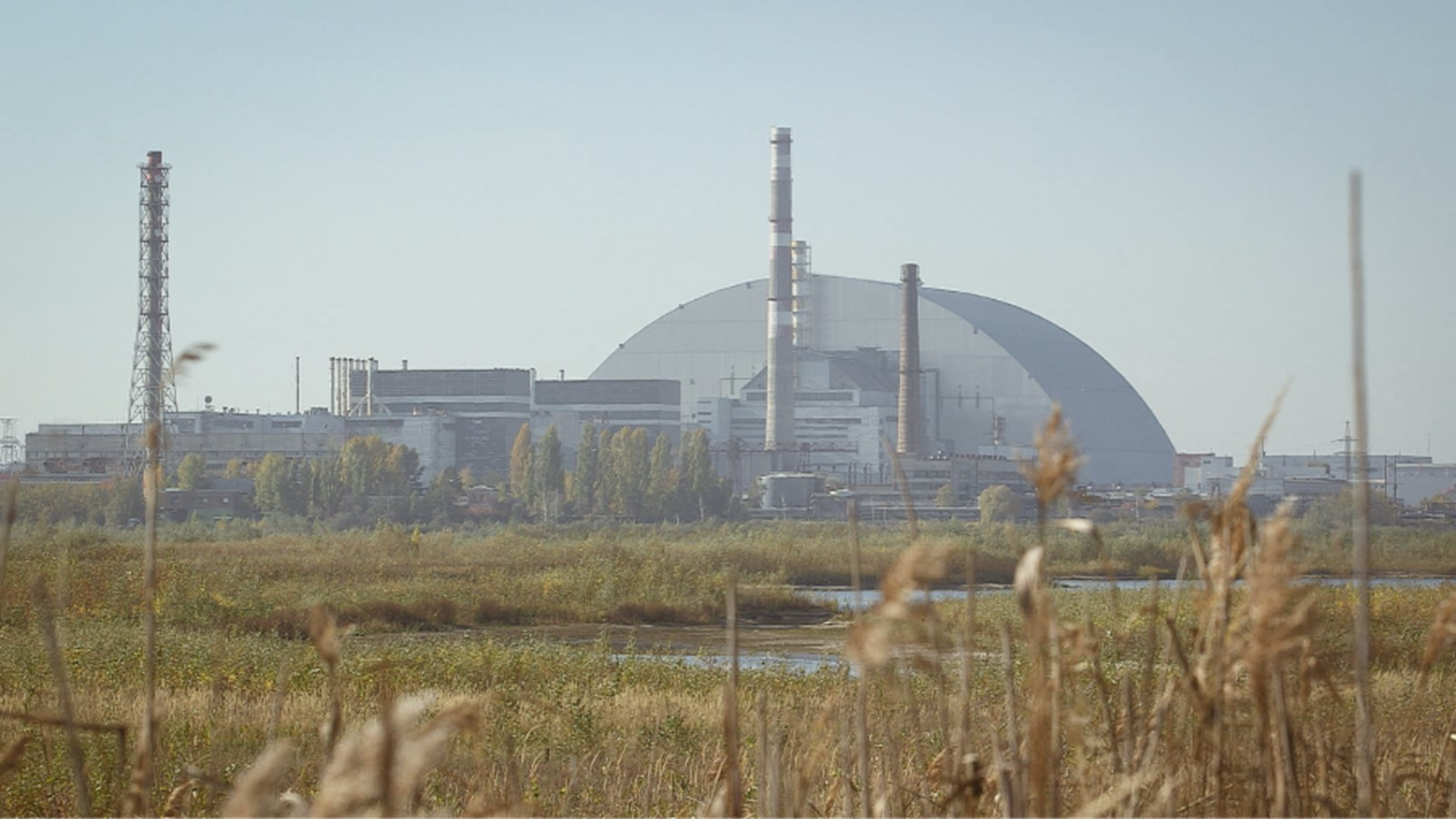
Unit 4, meanwhile, was sealed with a crude sarcophagus that stood until 2016. “It was the main protective structure until a New Safe Confinement was completed in 2018,” Lyman said. Its replacement, which stands taller than the Statue of Liberty and took about two decades to make, is reportedly expected to contain the entire disaster site for a century.
It was, however, damaged by a drone strike in February 2025. “Unfortunately, the Chornobyl site became an area of active military conflict following the Russian invasion in 2022,” the physicist said. “The already precarious state of the site was severely compromised by Russian attacks.”
While no longer considered a realistic scenario for the industry, Chornobyl offered crucial lessons for the future of nuclear power. Kashparov said that modern safety and radiation protection standards are largely built on lessons from the accident. “The use of nuclear energy should not be taken lightly,” he said.
Although modern reactors use different designs, they are not immune to severe accidents. The complexity of the technology, with many components interacting rapidly, means failures can still occur, even if they follow different chains of events.
“These factors make it hard to foresee all possible accidents and plan accordingly.” Ramana added. “The catastrophic accident involving the Fukushima Daiichi reactors offers an example of other designs undergoing severe accidents.”
Just three years before Chornobyl happened, a safety chief from the International Atomic Energy Agency (IAEA) claimed that a major coolant loss was “practically impossible” in Soviet reactors. The disaster proved otherwise, which is why, as Ramana notes, another key lesson shows that nuclear institutions often downplay risks and warrant caution.
Lyman raised concerns about new reactor designs with positive void coefficients, including the Kemmerer Unit 1. This sodium-cooled fast reactor is currently being developed in Wyoming, US.
“I am also concerned about recent regulations that exempt new reactors from having to develop offsite emergency plans, including protocols for evacuations and distribution of stable potassium iodide that can block uptake of radioactive iodine in the thyroid,” he highlighted.
This is precisely why public voices matter. “Chornobyl demonstrates that nuclear technology is hazardous to people around the world and that their consent based on a sound understanding of the risks involved, is a prerequisite for making any decisions about nuclear power,” Ramana concluded.

Get the latest in engineering, tech, space & science - delivered daily to your inbox.
Based in Skopje, North Macedonia. Her work has appeared in Daily Mail, Mirror, Daily Star, Yahoo, NationalWorld, Newsweek, Press Gazette and others. She covers stories on batteries, wind energy, sustainable shipping and new discoveries. When she's not chasing the next big science story, she's traveling, exploring new cultures, or enjoying good food with even better wine.
此内容由惯性聚合(RSS阅读器)自动聚合整理,仅供阅读参考。 原文来自 — 版权归原作者所有。