


Boeing’s GBU-75 JDAM-LR offers both long-range strike and aerial mining capabilities.

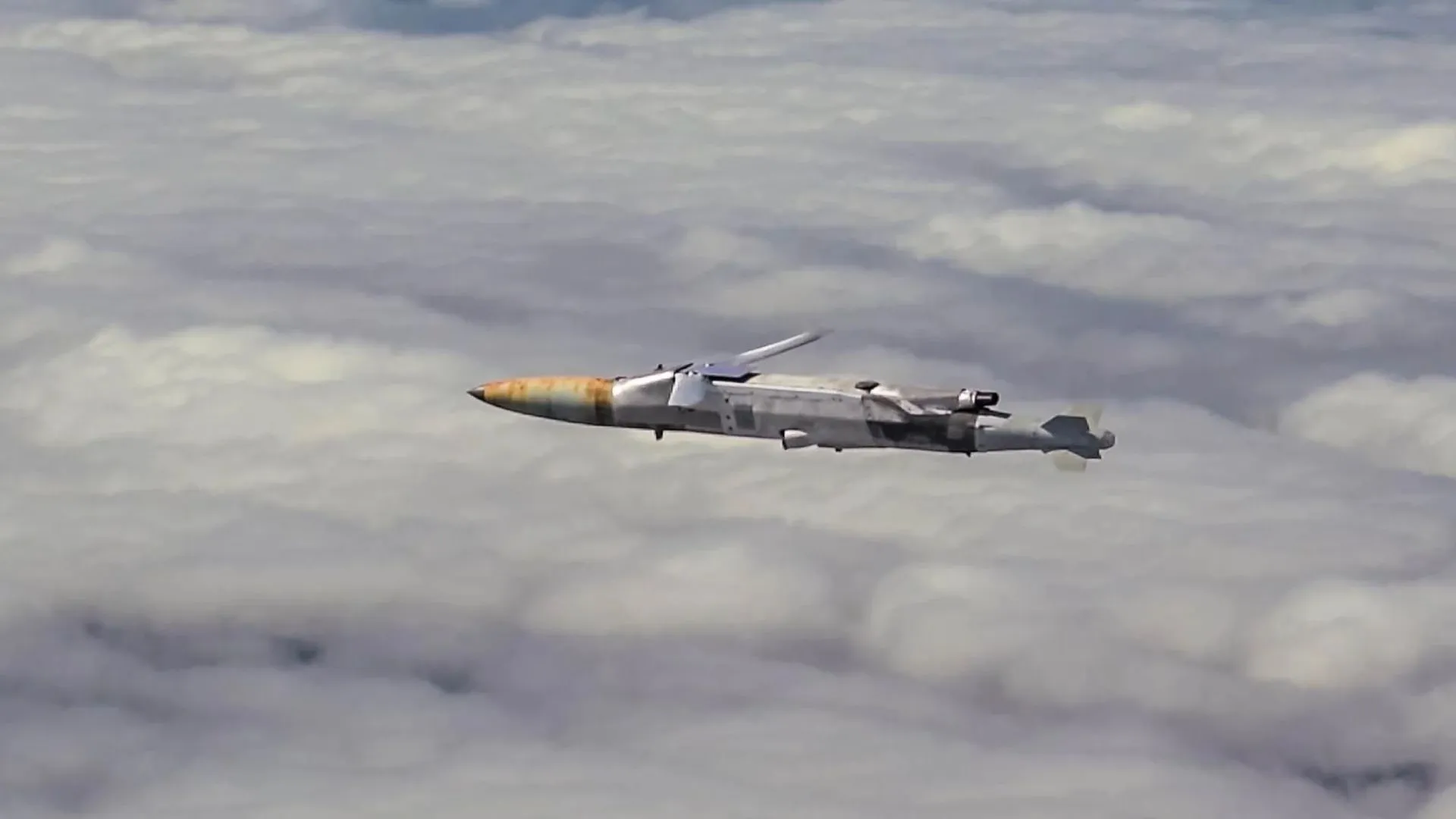
The U.S. Navy revealed that it has successfully tested a new long-range guided munition designed to strike targets at sea or deploy naval mines from aircraft operating hundreds of miles away.
The announcement came during the Navy League’s Sea-Air-Space symposium, highlighting a major step toward extending the reach of carrier-based aviation.
New strike weapon expands reach
The missile, referred to as GBU-75 Joint Direct Attack Munition Long Range, or JDAM-LR, represents a significant upgrade on the existing JDAM weapon system. Originally developed by Boeing, the JDAM is an adaptation of unguided bombs that makes them precision-guided weapons, using GPS and tail-control kits with a range of up to 15 nautical miles (17 miles).
The JDAM-LR builds on this concept by adding a compact propulsion system. It uses a small turbojet engine developed by Kratos, along with deployable wings from Ferra Engineering. This combination transforms the bomb into a low-cost cruise missile alternative capable of striking targets up to 300 nautical miles (about 345 miles) away.
On Monday, Navy officials confirmed that the munition demonstrated ranges exceeding 200 nautical miles (about 230 miles) during testing. This is a notable improvement over existing air-launched weapons like the Harpoon and SLAM-ER missiles, which typically reach between 140 and 150 nautical miles (about 160 to 173 miles).
Flight tests validate performance
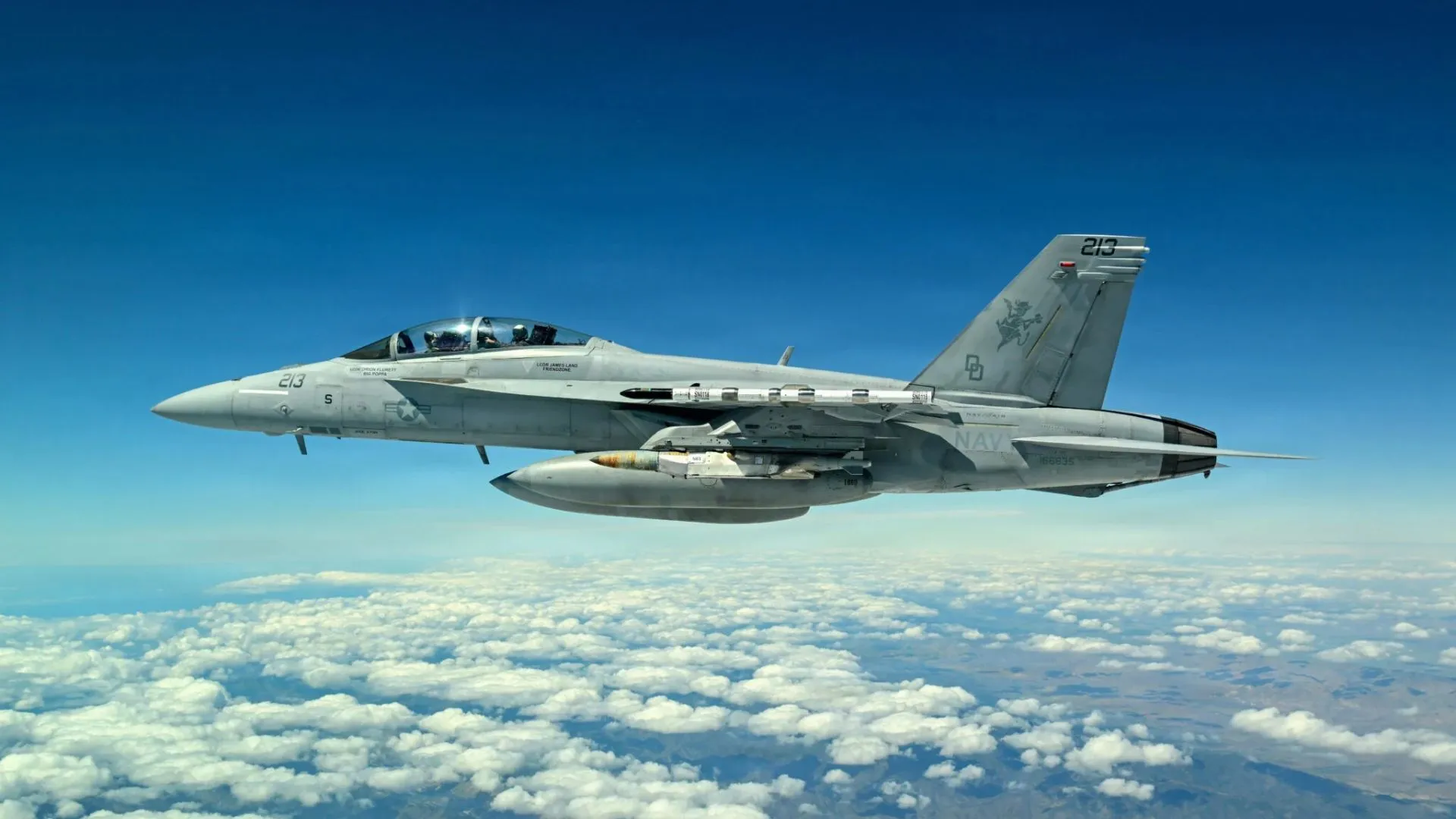
The Navy conducted its tests at the Point Mugu Sea Range in California using an F/A-18 Super Hornet. On April 1, the munition flew approximately 200 nautical miles in 34 minutes and struck within meters of its intended target, according to Boeing.
A second test on April 3 evaluated a different flight profile. This included altitude changes and maneuvering while maintaining overall mission performance. Both tests confirmed safe separation from the aircraft, steady flying, and accurate navigation to the target.
Such an approach makes it possible to quickly introduce the new weapon into service on existing aircraft that can be used to launch JDAMs.
Addressing modern battlefield threats
The emergence of the JDAM-LR is linked to a shift in the priorities of American military forces toward the possibility of conflict with other powerful nations. Unlike past operations when the United States had to confront weaker opponents, modern warfare may involve highly advanced air defense systems.
“As Naval Air Forces in theater continue to rely heavily on JDAM systems, the program recognizes a critical need to provide the fleet with greater standoff range,” Capt. Sarah Abbott, Precision Strike Weapons (PMA-201) program manager, said in a NAVAIR release on the tests.
“This new capability allows pilots to engage targets from significantly safer distances, maintaining a tactical advantage in contested environments,” Abbot said.
The extended range allows aircraft to strike without entering heavily defended zones, reducing risk to pilots and platforms.
— NAVAIR (@NAVAIRNews) April 20, 2026A New Era for Precision Strike: JDAM LR Completes Milestone Test Flights
The U.S. Navy has successfully demonstrated the new JDAM Long Range variant, marking a huge step in bringing affordable, long-range standoff capabilities to the Carrier Air Wing.https://t.co/GvMomaPnSp pic.twitter.com/cNgEgnZGXy
Expanding role in naval mining missions
In addition to strike missions, the JDAM-LR also supports aerial mining operations. Its mining variant, called QuickStrike Long Range, uses a Mark 82 bomb fitted with sensors capable of detecting ships.
Traditional mine-laying operations often require aircraft to fly low and slow, making them vulnerable to enemy defenses. JDAM-LR increases the distance that mines can be delivered from, hence ensuring their survival.
This follows previous initiatives such as the Air Force’s QuickStrike Extended Range tests in 2023, which saw mines being delivered from over 40 miles by B-52 bombers.
Sea mines are increasingly seen as a critical tool for area denial, especially in strategic chokepoints. Programs like the Orca unmanned underwater vehicle and Hammerhead anti-submarine mines further show growing interest in this domain.

Get the latest in engineering, tech, space & science - delivered daily to your inbox.
A versatile writer, Sujita has worked with Mashable Middle East and News Daily 24. When she isn't writing, you can find her glued to the latest web series and movies.