








Germany has launched a new research initiative to assess whether lithium trapped in ancient saline brines found nearly 14,000 feet underground can be extracted to help power Europe’s electric vehicles (EVs).
The work, part of the RoLiXX project, focuses on the North German Basin (NGB), the Central European Basin System’s (CEBS) largest basin, which reportedly holds significant potential for lithium extraction.
Data suggests that the location contains approximately 43 million tons of lithium carbonate equivalent dissolved in deep, hot, salty formation waters (brine) within Permian Rotliegend sandstones dating back around 300 million years.
Dominik Soyk, from Neptune Energy, which coordinates the initiative, described lithium as crucial to the energy transition. “With RoLiXX, we are investigating the hitherto little-researched potential of deep waters containing lithium in the Rotliegend of the North German Basin,” he stated.
The Rotliegend, a rock layer in the North German Basin, is located at a depth of 9,800 to 16,400 feet (three to five kilometers), beyond the German low mountain ranges. It is considered particularly promising for deep waters containing lithium.
To assess its potential, the team involved in the 36-month-long project will now use existing deep boreholes to systematically analyze and scientifically evaluate the resource for the first time. Data suggests lithium levels in some areas are high enough to signal a major untapped resource.
The initiative follows after Neptune Energy confirmed that Germany holds one of the world’s largest lithium resource bases, in September 2025. “This means that one of the world’s largest project-based lithium resources is located in Northern Saxony-Anhalt,” Neptune Energy said at the time.
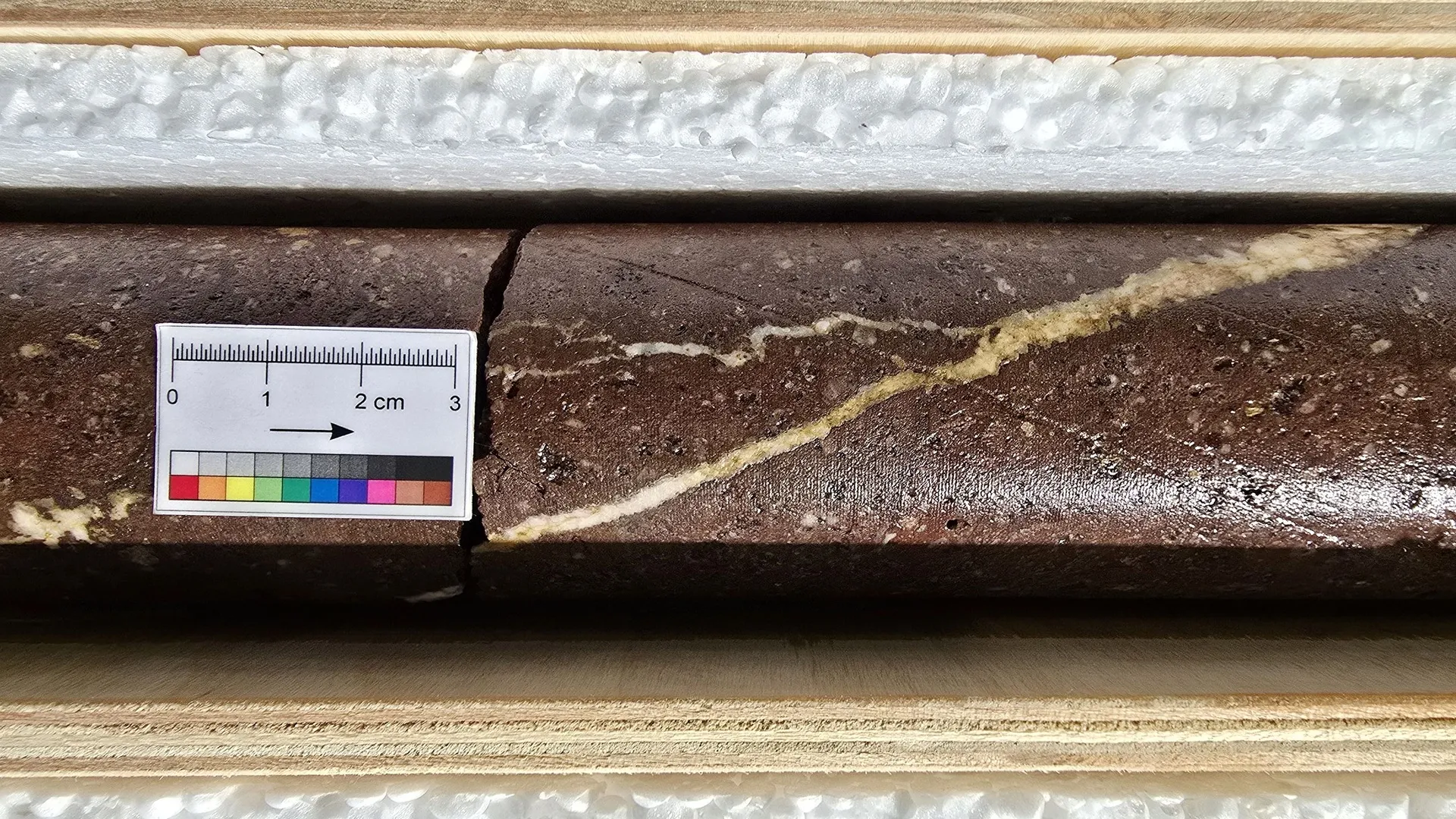
But extracting lithium from these brines presents huge technical challenges. While the brines contain a complex mix of dissolved elements, changes in pressure and temperature during extraction can cause minerals to precipitate out of solution.
These scaling deposits (hard, mineral-based buildups) can clog equipment, as well as reduce the efficiency of pumping and processing systems. That is why to tackle the issue, the team is aiming to develop extraction methods specifically designed for high-salinity conditions.
According to the researchers, one of their key goals is to enable lithium recovery while minimizing the formation of solid residues that could disrupt operations or even lead to environmental concerns.
Moreover, the scientists are also conducting detailed geological and geochemical analyses to better understand how lithium is stored and mobilized underground.
By investigating Rotliegend drill cores and the surrounding rock units, they hope to identify lithium-bearing minerals, map their distribution and reconstruct the processes that lead to their formation.
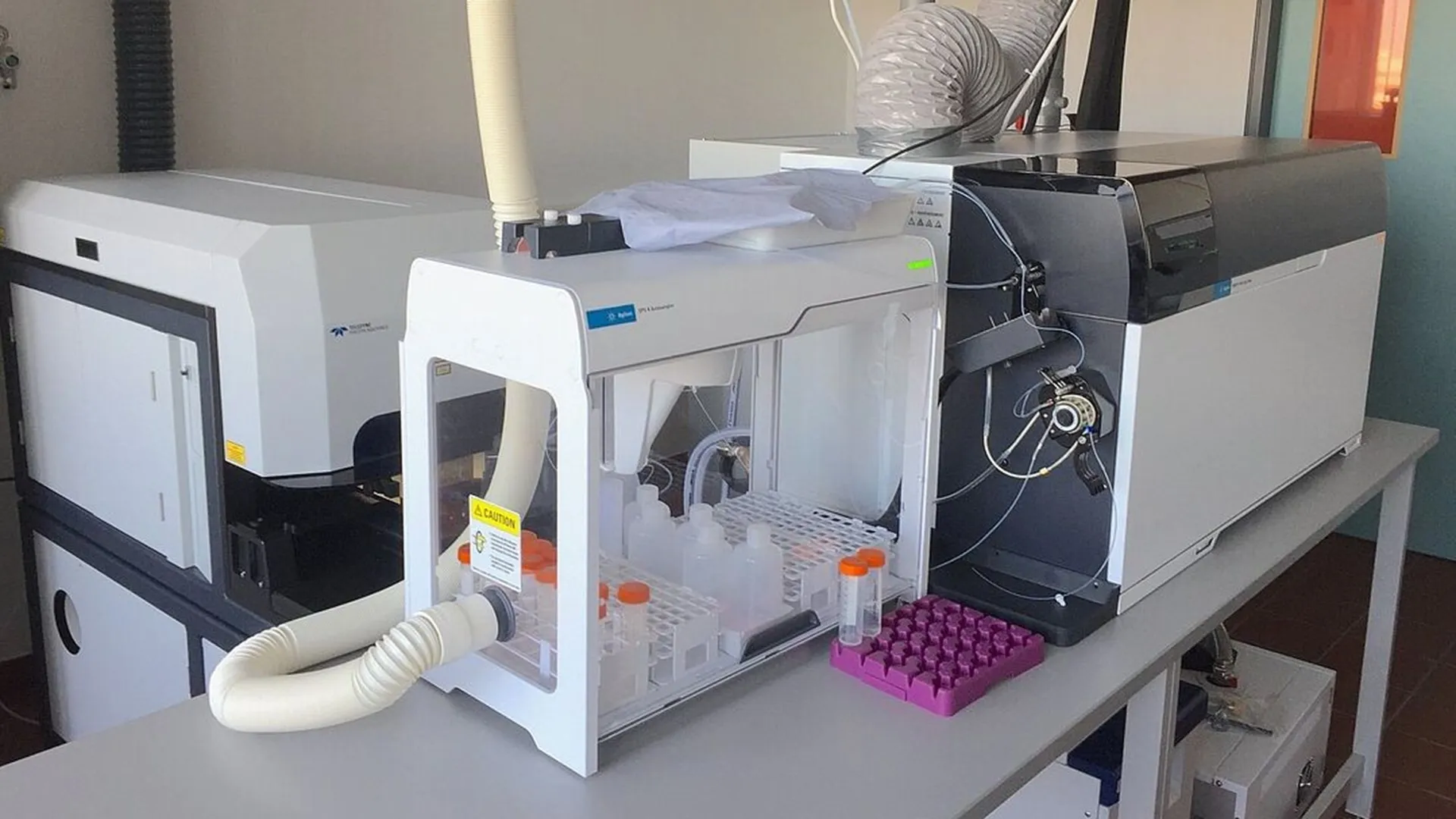
At the same time, advanced techniques, including X-ray diffraction in addition to laser-based mass spectrometry are used at the MAGMA lab (Mineralogical and Geochemical Microanalysis Laboratory) to detect even trace amounts of lithium within individual minerals.
These findings are supported by experiments that simulate the high-pressure and high-temperature conditions found deep underground. These should help the team determine how lithium moves from rock into solution.
Soyk pointed out that the initiative integrates a comprehensive sustainability perspective. “In addition to geoscientific and technological issues, the project includes a detailed life cycle assessment, economic feasibility study and analyses of social acceptance,” he concluded in a statement.

Get the latest in engineering, tech, space & science - delivered daily to your inbox.
Based in Skopje, North Macedonia. Her work has appeared in Daily Mail, Mirror, Daily Star, Yahoo, NationalWorld, Newsweek, Press Gazette and others. She covers stories on batteries, wind energy, sustainable shipping and new discoveries. When she's not chasing the next big science story, she's traveling, exploring new cultures, or enjoying good food with even better wine.
此内容由惯性聚合(RSS阅读器)自动聚合整理,仅供阅读参考。 原文来自 — 版权归原作者所有。