






The battery uses fully ceramic electrodes with a patented mesoporous structure.

Scientists have just unveiled a tiny solid-state battery measuring only several tens of cubic millimeters, which is designed to fit inside a contact lens and power the next generation of ocular wearables.
The microbattery, which was developed by UAE-based deep-tech firm XPANCEO and French energy storage company ITEN, tackles safe and ultra-compact power, one of the greatest challenges in the industry.
According to XPANCEO, the collaboration aims to deliver ultra-thin, durable, and stable energy storage that is safe for use in devices worn directly on the human eye.
“By combining ITEN’s solid-state energy storage technology with cutting-edge smart lens navigation, the ITEN partnership with XPANCEO opens a new frontier in compact, high-power energy solutions,” Vincent Cobée, ITEN CEO, revealed.
Powering smart lenses
Often described as the ultimate computing platform, smart contact lenses are capable of delivering augmented reality (AR), real-time health monitoring, and wireless connectivity directly from the surface of the eye. However, integrating this into a soft, curved device is particularly challenging.
Measuring just several tens of cubic millimeters, the new microbattery eliminates many of the safety risks associated with traditional lithium-ion batteries (Li-ion), such as swelling, leakage, and overheating, by avoiding liquid electrolytes.
The microbattery cannot leak or catch fire and will stop working if damaged. Still, powering a smart contact lens is far more complex than powering a smartphone or even an implantable device.
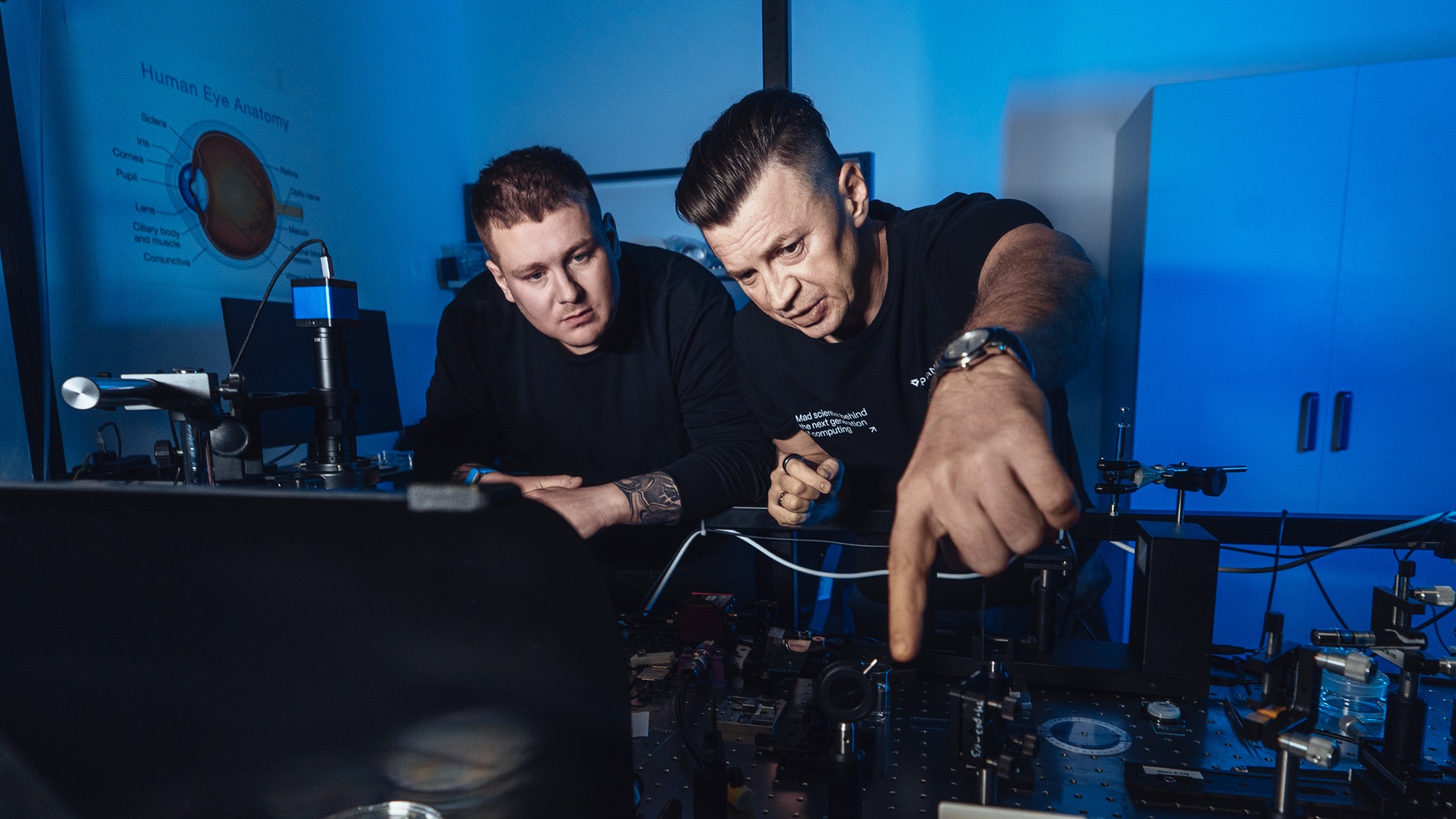
Credit: XPANCEO / ITEN
While low-energy tasks such as biosensing or connectivity can rely on harvested energy from blinking, body heat, or light, more advanced functions require stable onboard power. Functions like AR image projection need sustained milliwatt-level output, which makes high density essential.
“Together, we are enabling a new generation of intelligent and highly integrated systems that demand both performance and reliability – delivering power where space is limited and expectations are high, with the added assurance of full safety enabled by inherently stable, non-flammable product architecture,” Cobée said.
A stable, compact battery
The battery’s design relies on ITEN’s solid-state ceramic technology, which uses a patented mesoporous electrode structure. The firm uses nanomaterial techniques to create ceramic electrodes filled with a network of very small, controlled pores.
This greatly increases the surface area available for electrochemical reactions and enables faster charging and discharging while maintaining high power density in an extremely small footprint.
“The power system is the real bottleneck in smart contact lens development – and it’s not something you fix with small tweaks,” Valentyn Volkov, PhD, founder and CTO of XPANCEO. “We needed a whole new approach to energy storage at the micro-scale.”
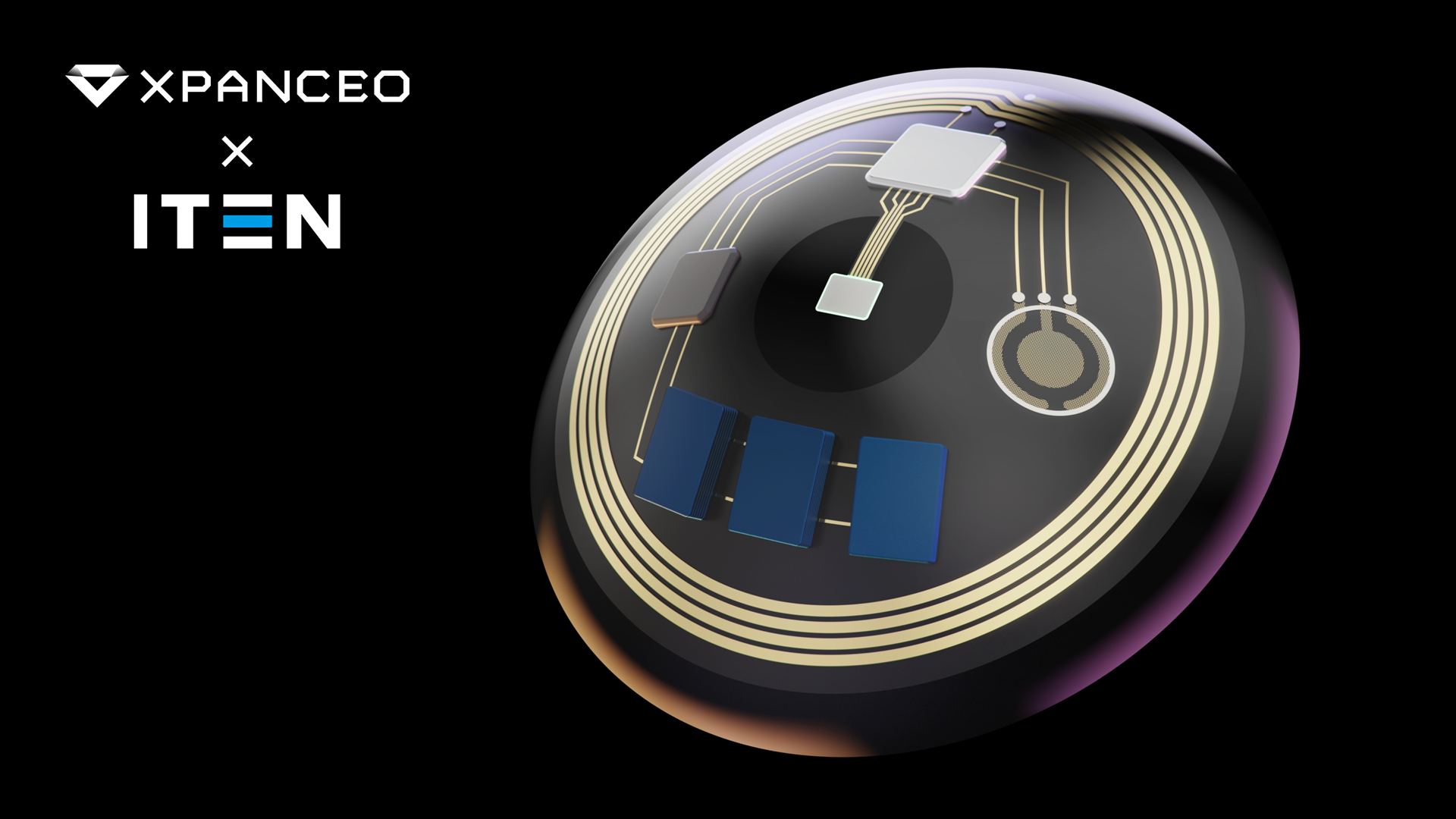
Credit: XPANCEO / ITEN
According to the team, integrating the system into a contact lens required solving several engineering challenges. The team developed a multi-stage encapsulation process to protect the device and the eye. They built an energy-harvesting system to support the battery and keep it working alongside changing wireless signals.
ITEN has been mass-producing first-generation solid-state ceramic microbatteries that combine high power density, fast charging, safety, and reliability since May 2025. It is now being tailored to meet XPANCEO’s smart lens requirements.
“Our partnership isn’t focused on adapting existing technology but on creating entirely new categories of components that the supply chain doesn’t produce yet,” Volkov concluded. That’s the challenge, and the opportunity, as we move toward commercialization.”

Get the latest in engineering, tech, space & science - delivered daily to your inbox.
Based in Skopje, North Macedonia. Her work has appeared in Daily Mail, Mirror, Daily Star, Yahoo, NationalWorld, Newsweek, Press Gazette and others. She covers stories on batteries, wind energy, sustainable shipping and new discoveries. When she's not chasing the next big science story, she's traveling, exploring new cultures, or enjoying good food with even better wine.